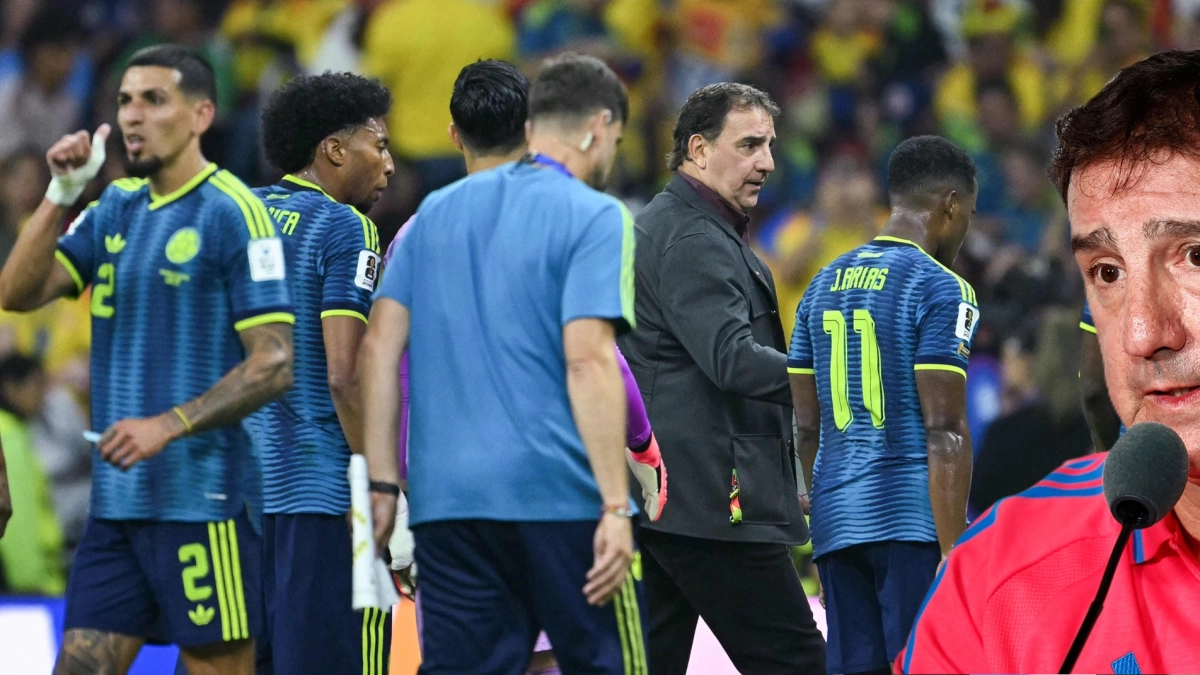
As the Colombian national football team concludes a cycle defined by the tactical discipline of manager Néstor Lorenzo, the focus of the Colombian Football Federation (FCF) and its supporters has shifted toward the 2030 FIFA World Cup. This transition period requires a strategic assessment of the current roster, identifying veteran pillars who may reach their physical limits before the next tournament and emerging talents capable of sustaining the competitive standards established during the recent qualifying campaigns.
While the core of the current squad has provided stability, the physical demands of international football suggest that several key figures, particularly those in defensive and goalkeeping roles, are approaching the end of their peak output years. The challenge for the coaching staff lies in balancing the experience of established leaders with the integration of younger players currently developing in the Liga BetPlay and top-tier European leagues.
Evaluating the Roster and the 2030 Horizon
The “Lorenzo era” has been characterized by a specific reliance on veteran leadership, a strategy that yielded results in recent CONMEBOL qualifiers but creates a natural vacuum as those players age. For instance, the goalkeeper position remains a primary area of concern. David Ospina and Camilo Vargas have been part of the national team for over a decade. However, given their current age profiles, both are unlikely to maintain their starting roles through the 2030 cycle, prompting the FCF to monitor younger alternatives currently performing in domestic and international club environments.
Recent reports from Colombian sports media indicate that while these veterans remain influential, the technical staff is actively scouting domestic prospects who demonstrate the tactical maturity required for the intensity of World Cup qualifiers.
The Search for Successors in Key Positions
Replacing established figures requires more than just raw talent; it requires a systematic approach to international integration. In the goalkeeping department, scouts are looking at younger keepers who have shown consistency in the Liga BetPlay. The transition is not merely about replacing personnel but about ensuring the tactical structure remains intact. The FCF has not yet made an official announcement regarding a specific “youth pipeline” program, but the focus on monitoring domestic talent remains a core component of their long-term planning.

The coaching staff itself is also undergoing change. Recent developments saw the departure of members of the technical body who have opted to take managerial roles within the Colombian professional league. This flux in the coaching hierarchy provides an opportunity to reassess the training methodologies used to prepare young players for the senior national team. Maintaining a consistent philosophy, regardless of staff turnover, will be essential to ensuring that the next generation of talent is prepared for the rigorous demands of the 2030 World Cup cycle.
Managing Public Perception and Performance
The scrutiny on national team players extends beyond the pitch. High-profile athletes, such as Juan Fernando Quintero, often face intense media and public pressure following international windows. Recent critiques regarding player behavior in Medellín highlight the unique cultural environment surrounding the Colombian national team, where players are expected to serve as role models both in their professional and private lives. For younger players entering the fold, navigating this public scrutiny will be as much a part of their development as their physical training.

The FCF’s ability to maintain a professional environment while managing these external pressures will be a factor in the success of the upcoming transition. As the team moves forward, the focus will remain on results in the upcoming CONMEBOL qualifiers. The next confirmed checkpoint for the national team involves the next scheduled FIFA international window, where the coaching staff will likely test new combinations and provide opportunities for emerging players to prove their readiness for the senior level.
We encourage our readers to share their thoughts on the future of the Colombian national team. Which emerging players do you believe are ready to take the next step in the 2030 cycle? Join the conversation in the comments section below.
Related reading