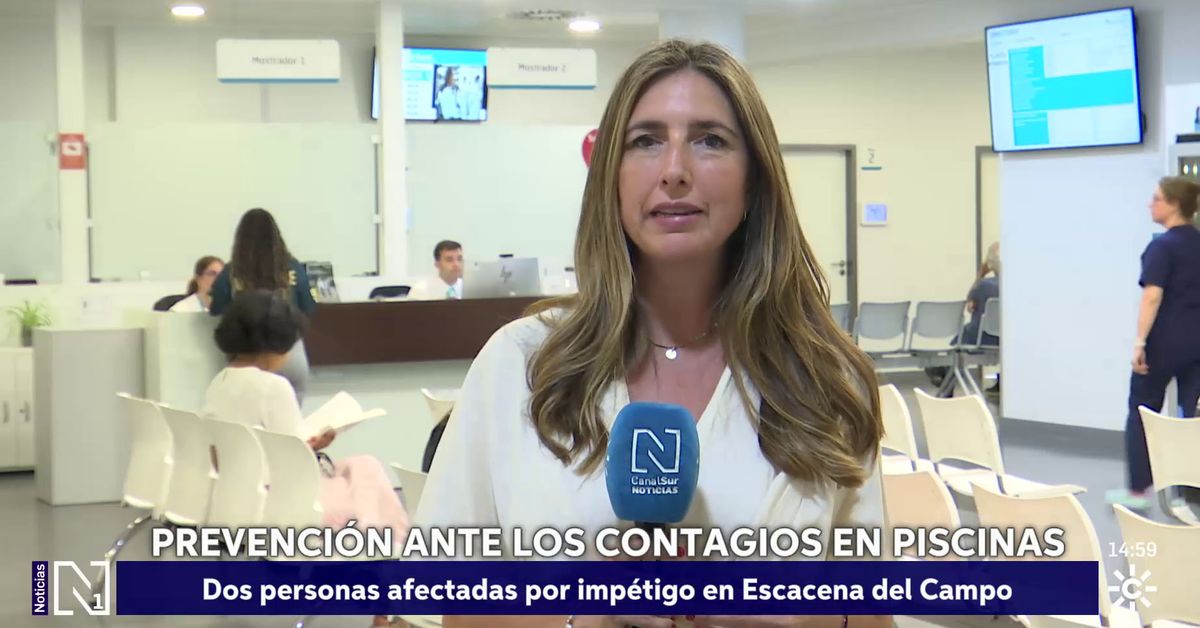
Health officials in the province of Huelva, Spain, have issued guidance on hygiene practices following reports of impetigo cases linked to a public swimming facility in Escacena del Campo. While the situation initially prompted local concern regarding a potential broader outbreak, regional authorities have emphasized that the condition is a common, manageable bacterial skin infection rather than a public health emergency. Residents are advised to monitor for symptoms and maintain standard sanitary protocols to prevent transmission.
Impetigo is a highly contagious skin infection. While it can occur at any age, it is particularly prevalent among children, often spreading through direct contact or the sharing of items such as towels, toys, or sports equipment.
Understanding the Clinical Nature of Impetigo
From a clinical perspective, impetigo is characterized by its localized nature. The infection usually enters the body through a minor break in the skin, such as a scratch, insect bite, or rash. In the context of recreational water use, the primary concern is the potential for transmission via shared surfaces or contaminated water if hygiene standards are not strictly maintained. However, the infection is generally considered mild and responds effectively to topical or oral antibiotic treatments prescribed by a primary care physician.
Medical professionals stress that the most effective way to curb the spread of the bacteria is through rigorous hygiene. This includes regular handwashing, keeping skin wounds clean and covered, and ensuring that individuals—particularly children—do not share personal items like towels or bedding while symptomatic. The infection is generally no longer considered contagious after 48 hours of appropriate antibiotic treatment or once the sores have completely dried and crusted over.
Public Health Response in Huelva
The recent reports in Escacena del Campo triggered a localized investigation to determine the extent of the bacterial presence. Local authorities have conducted assessments to ensure that the municipal pool continues to meet the necessary sanitary requirements for public use. By emphasizing the need for increased hygiene, the Health Department aims to mitigate further transmission risks among the local population.
It is important for the public to distinguish between a localized cluster of cases and a systemic health crisis. Health officials have clarified that while individual cases require medical attention and isolation to prevent spread, there is no evidence of a widespread, uncontrollable outbreak affecting the broader Condado region. Residents are encouraged to consult their local health clinics if they notice skin lesions, as early diagnosis and treatment are the most effective methods for containing the spread of the bacteria.
Preventive Measures for Swimmers and Families
To reduce the risk of contracting or spreading impetigo, especially during peak summer months when pool usage is high, public health guidance suggests the following practices:
- Shower Before and After Swimming: Thoroughly washing with soap helps remove surface bacteria that may have been picked up from shared facilities.
- Avoid Sharing Personal Items: Do not share towels, goggles, or swimming caps with others, as these can harbor the bacteria.
- Keep Skin Covered: If you have an open cut or scrape, keep it covered with a waterproof bandage while in the water.
- Monitor Skin Health: If you notice unusual sores or blisters, avoid public swimming areas until a healthcare professional confirms that the infection is no longer contagious.
For further information on regional health updates, residents can monitor official communications from health services, which provide ongoing guidelines for communicable disease prevention. As of this reporting, no further restrictions have been placed on the use of public facilities in the municipality. The situation remains under standard surveillance by local health authorities to ensure continued safety for all visitors.
We encourage our readers to stay informed through verified medical resources. If you have questions regarding personal health concerns or symptoms, please consult your general practitioner or visit your nearest health center. We welcome your thoughts and engagement on this topic in the comments section below.
Worth a look