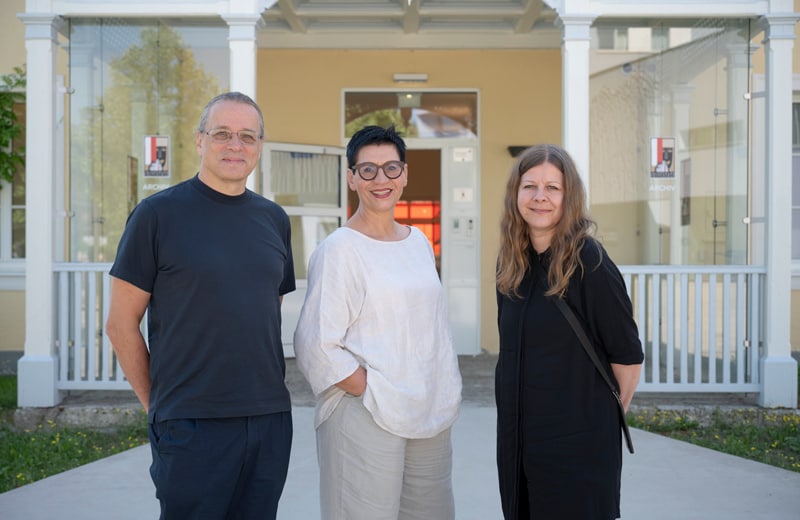
The Salzburger Festspiele, one of the world’s most prestigious festivals for opera, music, and theater, is transforming its extensive historical documentation into a digital experience through its “The Living Archive” initiative. This project aims to make the festival’s century-long history accessible to the public, moving beyond static preservation to create a dynamic, interactive record of performances, artistic decisions, and behind-the-scenes developments that have defined the institution since its founding in 1920. According to official documentation from the Salzburger Festspiele archives, the institution maintains a comprehensive collection that tracks the evolution of its programs through photographs, scores, correspondence, and technical records.
Digitizing a Century of Performance History
At the heart of the project is the systematic digitization of physical assets that have accumulated over more than 100 years. The Salzburg Festival archive is not merely a collection of programs; it serves as a primary source for the development of modern European theater and classical music. By digitizing these materials, the festival allows researchers and the public to examine how specific productions, such as the iconic “Jedermann” performances, have changed in staging and interpretation across different eras. The official history portal of the festival provides context on how these archives serve as a bridge between the festival’s origins in the post-World War I era and contemporary artistic practices.

The initiative addresses the challenge of preserving fragile media—including early audio recordings and sensitive paper documents—while simultaneously expanding public access. By leveraging modern database technologies, the festival has begun to categorize these records in ways that allow users to search for specific performers, conductors, or production years. This shift from private, internal filing systems to a public-facing “Living Archive” reflects a broader trend among major cultural institutions to prioritize transparency and digital engagement.
Integrating Historical Context with Modern Analytics
The value of the archive extends beyond simple record-keeping. By analyzing historical trends in programming, the festival provides insight into how geopolitical shifts and changing cultural priorities in Europe have influenced artistic choices. Data from the festival’s long-standing operations demonstrate how the institution navigated periods of significant political instability, particularly during the 1930s and the Second World War. According to the festival’s historical timeline, the years leading up to 1938 represented a period of intense pressure, which is now documented through preserved correspondence and administrative records available for study.
For the sports and performance analyst, this data is particularly revealing. Just as sports analytics track the performance metrics of athletes over time, the festival’s archive tracks the “performance” of cultural productions—measuring the frequency of revivals, the reception of new commissions, and the influence of specific creative partnerships. The ability to cross-reference these events with historical context provides a multidimensional view of how the festival has maintained its relevance.
Accessibility and Future Research
The “Living Archive” is designed to be an evolving resource. As new festivals conclude, the documentation from those events is integrated into the system, ensuring that the archive remains current. This ongoing process is supported by the festival’s commitment to academic research and public education. Scholars interested in accessing specific collections or requesting information on historical productions are directed to the official contact channels, where the archive team facilitates inquiries based on the current state of the digital catalog.

Looking ahead, the festival continues to refine its digital presence to ensure that these historical assets remain protected while being as useful as possible to the global community. The next major update regarding the expansion of the digital collection is expected to be announced during the lead-up to the next festival season. Readers are encouraged to monitor the official festival website for updates on newly released digital collections and upcoming exhibitions that feature these archival materials.
If you found this overview of the Salzburger Festspiele’s archival efforts useful, please share this article or leave a comment below to discuss your favorite historical moments from the festival’s storied past.
Worth a look
- Pitbull Concert Fashion Trend: Fans Dress Up for the Show
- Preserving Heritage: The Dialect Songs and Memories of Mattern
- Tim Johnson, Curtin University professor, challenges Earth’s early history with groundbreaking (time.news)
- What Is a Flash Drought, and Why Is North Carolina Living Through One (daybreakwire.com)