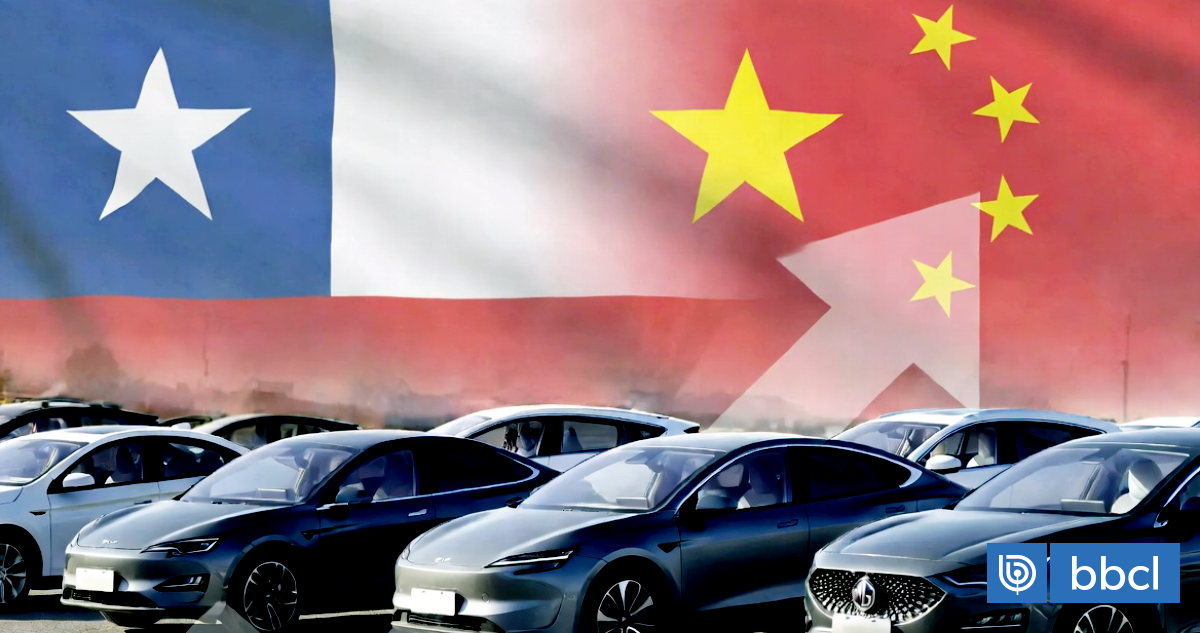
Chinese-manufactured vehicles have transformed the automotive landscape in Chile, capturing a significant portion of the market share as consumers prioritize affordability and modern technology. While these brands have become a common sight on Chilean roads, prospective buyers are increasingly advised to look beyond the initial price tag to understand the long-term implications of vehicle maintenance, parts availability, and resale value.
The surge in popularity of Chinese automotive brands in Chile is driven by competitive pricing and the inclusion of advanced features that are often considered premium in traditional European or American models. According to industry data, Chinese manufacturers have secured a dominant position in the Chilean market, reflecting a broader global trend of rapid expansion for brands originating from China. However, this growth has prompted automotive analysts to urge consumers to conduct thorough research, particularly regarding the technical support and service networks that exist to back these products after the sale.
Evaluating the Chinese Auto Market in Chile
For many Chilean consumers, the primary appeal of Chinese vehicles is the “value-for-money” proposition. These cars often feature high-end digital interfaces, modern safety assist systems, and contemporary designs at a lower entry price than their Japanese or South Korean counterparts. Yet, experts emphasize that a vehicle purchase is a long-term commitment. One of the most critical factors to consider is the brand’s local infrastructure. A manufacturer with a robust network of authorized service centers and a reliable supply chain for spare parts is essential to ensuring the vehicle remains operational over several years.

When evaluating a purchase, consumers are encouraged to verify the specific warranty terms offered by the local dealership. Unlike some legacy manufacturers that have decades of service history in the region, some newer Chinese brands may have varying levels of maturity in their after-sales support, making the verification of service center locations a prudent step for any buyer.
Practical Considerations for Prospective Buyers
Before finalizing a purchase, experts suggest focusing on five key areas to avoid potential ownership frustrations:
- Availability of Spare Parts: Check if the importer maintains a local warehouse for common replacement parts or if components must be imported upon request, which can lead to extended repair times.
- Authorized Service Network: Confirm the proximity of certified workshops. Relying on unofficial mechanics for proprietary software or electronic components can sometimes complicate maintenance for newer, tech-heavy models.
- Resale Value: While Chinese cars are popular new, their depreciation rates can differ from established brands. Researching the used car market for specific models can provide insight into long-term value retention.
- Safety Ratings and Certification: Ensure the model has been tested against regional or international safety standards. Information regarding safety features is typically available through the manufacturer’s official documentation.
- Software and Connectivity: As many Chinese vehicles rely on integrated software for vehicle management, verify the frequency of updates and the local support available for the onboard infotainment and safety systems.
Consumers should ensure that any vehicle they intend to purchase meets these current national requirements, as compliance is mandatory for registration and long-term legal operation.
Long-term Ownership and Market Evolution
The automotive industry in Chile is currently in a state of flux. As more Chinese brands establish official subsidiaries rather than relying solely on third-party importers, the quality of after-sales service is expected to stabilize. This transition is a positive indicator for consumers, as it suggests a commitment to the region that transcends simple retail sales.
However, the rapid influx of new models means that some specific brands may exit the market or change distributors, which can impact the availability of authorized service for older vehicles. Prospective buyers are advised to prioritize brands with a clear, long-term corporate presence in Chile. Checking the official company websites for the latest press releases regarding their local expansion plans can offer a glimpse into their commitment to the Chilean market. As the market continues to evolve, staying informed through official industry bulletins and consumer reports will remain the best defense against purchasing a vehicle that lacks adequate long-term support.
If you have experience with these vehicles or are currently navigating the buying process, please share your thoughts or questions in the comments section below.
Keep reading