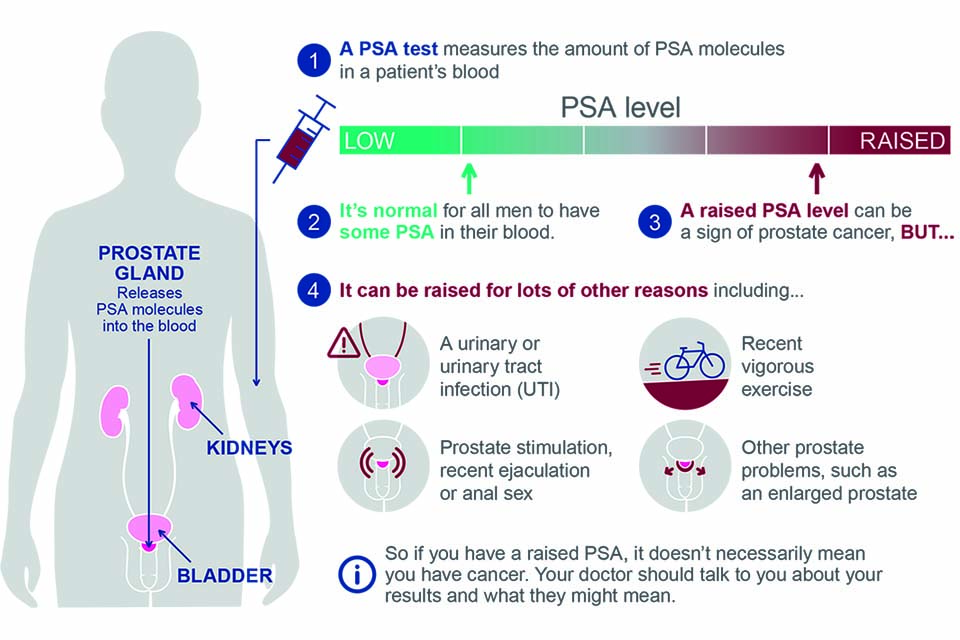
Prostate-specific antigen (PSA) testing is a common diagnostic tool used to screen for prostate health, but an elevated result does not automatically indicate a diagnosis of prostate cancer. Because various non-malignant conditions can influence these levels, clinical evaluation by a urologist is necessary to determine the underlying cause of any fluctuation.
Understanding the PSA Test and Its Limitations
The prostate gland, located just below the bladder in men, produces PSA, a substance that helps liquefy semen. While elevated blood levels of this protein are often associated with prostate cancer, they can also be triggered by several benign factors. Furthermore, prostatitis (inflammation or infection of the prostate), urinary tract infections, and even vigorous physical activity or recent ejaculation can temporarily skew test results.
Because of these variables, medical guidelines emphasize that a PSA test is a screening tool, not a definitive diagnostic test. A single high reading typically prompts a follow-up assessment. Physicians often consider the patient’s age, family history, and the “velocity” of PSA changes over time rather than relying on a single numerical threshold. The U.S. Preventive Services Task Force recommends that men aged 55 to 69 discuss the potential benefits and harms of prostate cancer screening with their clinicians to make informed, individualized decisions.
Diagnostic Steps After an Elevated Reading
If a PSA test returns an elevated result, the next steps in a clinical setting generally involve a comprehensive evaluation. This process is designed to rule out false positives and determine if a biopsy is warranted. A urologist will typically conduct a digital rectal exam (DRE) to feel for physical abnormalities, nodules, or areas of firmness on the prostate gland. The combination of a DRE and PSA testing provides a more complete picture of prostate health than either test alone.
When further investigation is required, modern medicine relies on advanced imaging. Multiparametric magnetic resonance imaging (mpMRI) has become a standard tool for identifying suspicious lesions within the prostate. According to the National Comprehensive Cancer Network, these imaging techniques help clinicians target biopsies more accurately, reducing the need for invasive procedures on healthy tissue while increasing the detection rate of clinically significant cancers.
Risk Factors and When to Consult a Specialist
Prostate cancer remains one of the most common malignancies in men globally. Recognizing individual risk factors is crucial for early detection. Age is the most significant risk factor, with the likelihood of diagnosis increasing significantly after age 50. Additionally, men with a family history of prostate cancer or those of African descent may face a higher risk, according to the Centers for Disease Control and Prevention.
Patients should consult a urologist if they experience symptoms such as frequent urination, difficulty starting or stopping the urine stream, weak flow, or blood in the urine or semen. While these symptoms are often linked to BPH or other non-cancerous conditions, they warrant clinical investigation. Early intervention allows for a wider range of treatment options, many of which carry fewer side effects when the disease is caught in its localized stages.
Navigating Treatment Decisions
For those diagnosed with prostate cancer, the treatment landscape is highly personalized. Low-risk, slow-growing cancers are often managed through “active surveillance,” which involves regular monitoring of PSA levels, physical exams, and periodic imaging to ensure the cancer has not progressed. This approach allows patients to avoid or delay treatments like surgery or radiation, which can carry risks of urinary or sexual dysfunction.
When active treatment is necessary, options include radical prostatectomy, external beam radiation, or focal therapies. The choice of treatment depends on the cancer’s aggressiveness, the patient’s overall health, and personal preferences regarding quality of life. Patients are encouraged to seek second opinions and utilize resources from verified medical institutions to better understand their specific diagnosis and the implications of each therapeutic path.
Regular communication with a primary care physician remains the best strategy for managing prostate health. By maintaining a consistent screening schedule based on personal risk factors, men can better manage their health outcomes. Readers are encouraged to consult their local healthcare providers for a screening schedule tailored to their medical history and to share their experiences or questions in the comments below.
Related reading