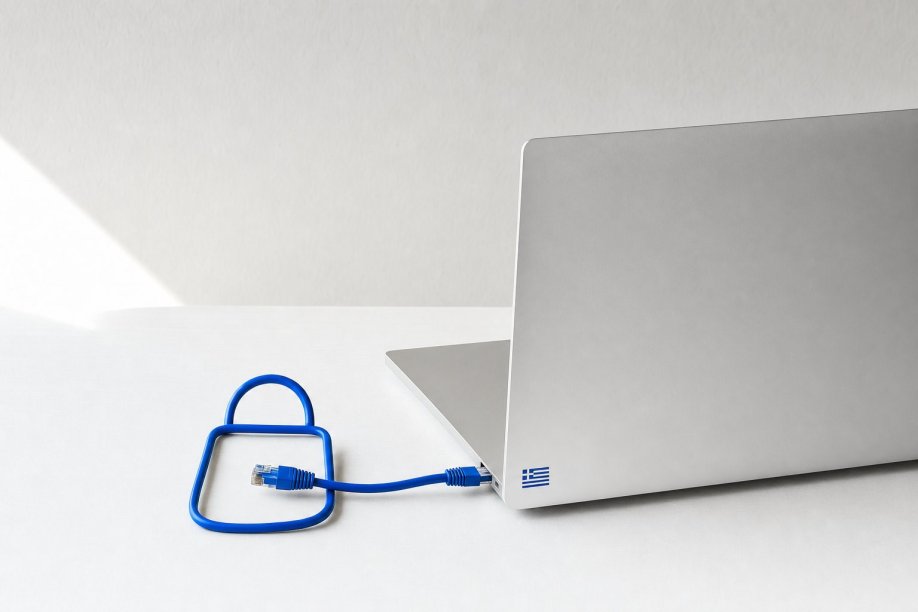
Greek businesses are increasingly prioritizing robust cybersecurity frameworks as a prerequisite for maintaining international competitiveness in an era of rapid digital transformation. As enterprises across Greece integrate cloud computing, artificial intelligence, and sophisticated data analytics into their core operations, the exposure to cyber threats has necessitated a shift from reactive security measures to comprehensive, proactive risk management strategies. This evolution is driven by both the need to protect sensitive intellectual property and the requirement to comply with stringent European Union regulatory standards.
The digital landscape in Greece has seen significant shifts, particularly following the acceleration of digital services during the post-2020 period. According to the European Commission’s Digital Economy and Society Index (DESI), Greece has made measurable progress in human capital and digital integration, though cybersecurity remains a critical pillar for sustaining this momentum. For Greek firms, the ability to demonstrate high standards of data protection is no longer just a technical necessity; it is a competitive advantage that fosters trust with international partners and customers in a globalized market.
The Economic Imperative of Cyber Resilience
For many small and medium-sized enterprises (SMEs) in Greece, which constitute the backbone of the national economy, the cost of a data breach can be existential. Cybersecurity investment is increasingly viewed by industry leaders as a form of insurance against business interruption. Data from the European Union Agency for Cybersecurity (ENISA), which maintains its regional presence and influence throughout the bloc, indicates that threat actors often target supply chains where security is perceived as weakest. By hardening their digital perimeters, Greek companies are insulating themselves from the financial and reputational damage associated with ransomware and phishing attacks.

The strategic importance of these investments is underscored by the EU Cybersecurity Act, which provides a framework for the certification of products and services. Greek firms that align with these standards position themselves to participate more effectively in pan-European tenders and cross-border collaborations. This alignment is particularly crucial for the tourism, shipping, and financial services sectors, which are primary drivers of the Greek GDP and rely heavily on seamless, secure data exchange.
Regulatory Alignment and the NIS2 Directive
Compliance with the NIS2 Directive, the updated EU-wide legislation on cybersecurity, has become a central focus for Greek organizations. This directive mandates stricter security requirements for entities operating in essential and important sectors. For Greek businesses, this means moving beyond basic firewalls to implement comprehensive incident response plans, supply chain security, and regular staff training programs.
The implementation of these measures is supported by national initiatives aimed at fostering a culture of cybersecurity. The Greek government has prioritized digital security as part of its “Digital Transformation Bible,” a strategic roadmap designed to modernize the state and private sectors. By leveraging funding opportunities and technical support provided through European recovery funds, many Greek organizations are currently undergoing significant infrastructure upgrades to meet these heightened security mandates.
Addressing the Skills Gap in the Greek Market
While infrastructure investment is critical, the human element remains a primary challenge. A recurring theme in regional industry reports is the shortage of specialized cybersecurity professionals capable of managing complex security architectures. To bridge this gap, many Greek firms are partnering with academic institutions and private training providers to upskill their existing workforces.
The focus is shifting toward “security by design,” where cybersecurity considerations are integrated into the software development lifecycle from the outset. By fostering a workforce that understands the nuances of threat modeling and incident management, Greek businesses are better equipped to handle the evolving tactics of cybercriminals. This investment in human capital is widely regarded by industry analysts as the most sustainable way to maintain a competitive edge in a global digital environment.
Future Outlooks and Monitoring Developments
The landscape of cybersecurity in Greece will continue to be shaped by the ongoing implementation of EU-wide regulations and the rapid adoption of emerging technologies. The next major checkpoint for businesses will be the full integration of the NIS2 requirements into national law, which necessitates ongoing audits and the continuous assessment of risk management policies. Organizations are encouraged to monitor updates from the Greek Ministry of Digital Governance for guidance on compliance timelines and technical standards.

As the threat landscape evolves, the competitive advantage will lie with those organizations that view cybersecurity not as a static expense, but as a dynamic component of their business strategy. Maintaining a high level of vigilance, supported by clear regulatory frameworks and a skilled workforce, remains the most effective path for Greek enterprises to thrive in the digital age. Readers interested in the latest policy updates and sector-specific security advisories are encouraged to track official bulletins from the relevant national authorities and participate in ongoing industry discussions regarding best practices for digital resilience.
Keep reading