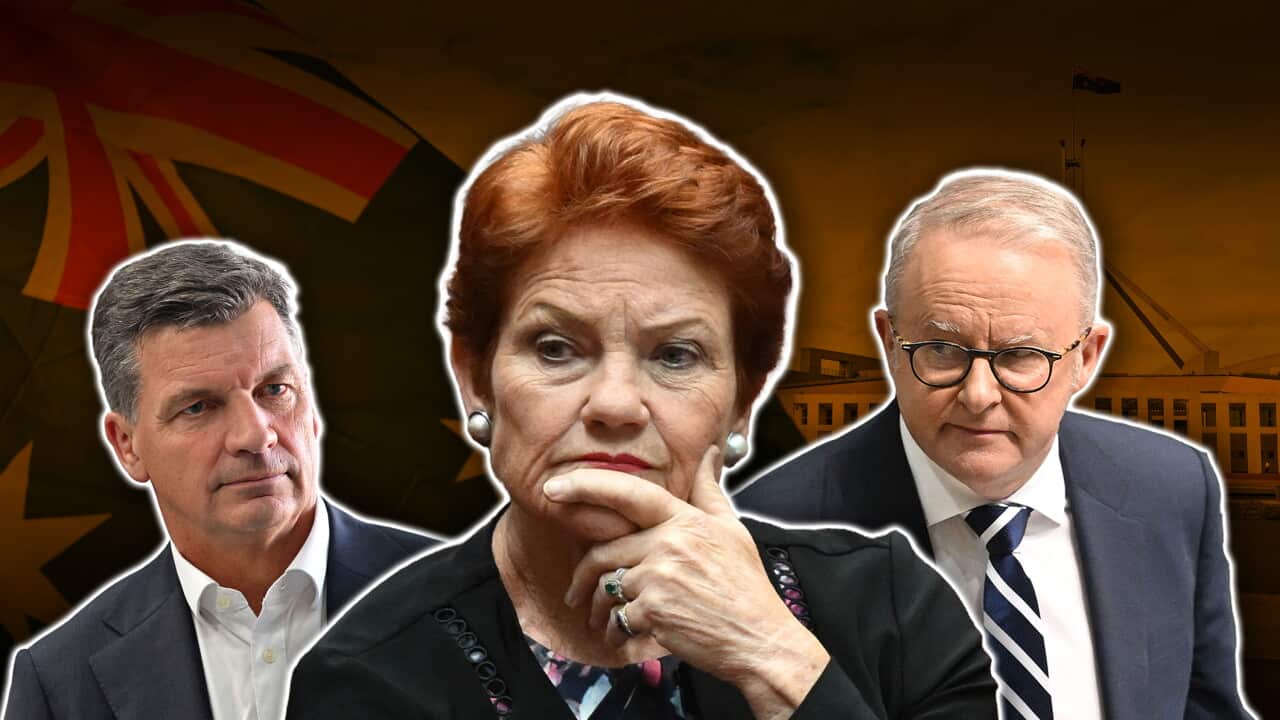
Australian Prime Minister Anthony Albanese has challenged the federal Opposition, led by Angus Taylor, to demonstrate how it intends to manage its relationship with One Nation and its leader, Pauline Hanson. The call follows the government’s formal response to the parliamentary inquiry into the rise of Islamophobia in Australia, which recommended a series of measures to address racial and religious discrimination.
The Prime Minister’s challenge centers on a historical comparison to the approach taken by former Liberal Prime Minister John Howard. During his tenure, Howard famously utilized a preference-swapping strategy that sought to isolate One Nation, a tactic that political analysts often cite as a defining moment in the management of right-wing populist parties in the Australian political landscape. Albanese’s remarks suggest that the current Opposition leadership faces a similar test of political principle regarding whether to engage with or distance itself from Hanson’s party.
The Islamophobia Report and Government Response
The government’s response to the Report on the Inquiry into Islamophobia in Australia, which was tabled in Parliament, includes a commitment to addressing the social and legislative challenges faced by Muslim Australians. The report, produced by the Joint Standing Committee on Migration, outlined 27 recommendations aimed at strengthening social cohesion and protecting religious freedom. According to the official parliamentary record, these measures include enhanced data collection on hate crimes and increased support for community-led initiatives to combat prejudice.
Prime Minister Albanese emphasized that the government is committed to a bipartisan approach to national unity, though he signaled that such efforts require clear boundaries against rhetoric that may incite division. By invoking the legacy of John Howard, the Prime Minister is placing pressure on Angus Taylor to clarify his stance on political cooperation with parties that have been accused of fostering anti-immigrant or exclusionary rhetoric.
Political Strategy and Historical Precedents
The comparison to John Howard is significant within the context of Australian conservative politics. In the late 1990s, Howard’s decision to place One Nation last on Liberal Party how-to-vote cards was a strategic maneuver designed to deny the party political legitimacy while simultaneously appealing to its voter base. This action remains a benchmark for how established parties navigate the influence of smaller, populist movements.

Angus Taylor, serving as the Shadow Treasurer, has not yet provided a detailed breakdown of the Opposition’s future electoral strategy regarding preference deals. Critics of the current Opposition, including members of the Labor government, argue that a failure to explicitly reject formal ties with One Nation could undermine the Opposition’s claims of adhering to moderate, centrist values. The Australian Broadcasting Corporation has reported that the Prime Minister’s comments were specifically aimed at forcing a public commitment from the Coalition leadership on this issue.
Implications for National Cohesion
The debate over how political leaders handle One Nation is intrinsically linked to the broader conversation about Islamophobia and social harmony. The parliamentary inquiry noted that the rise of online misinformation and inflammatory political discourse has contributed to a measurable increase in reports of harassment and discrimination against Muslim communities, as documented by the Australian Human Rights Commission.
For the government, the legislative response is not merely a policy exercise but a test of political character. By framing the Opposition’s potential relationship with One Nation as a “test,” the Prime Minister is attempting to create a clear dividing line between the two major parties. The effectiveness of this strategy will likely be measured in upcoming electoral cycles, where voters will decide whether the stance taken by the Coalition on minor party alliances aligns with their expectations for national leadership.
Next Steps in the Parliamentary Process
The government is expected to begin the implementation phase of the committee’s recommendations in the coming months, with relevant departments tasked with drafting regulatory updates. The Opposition is scheduled to respond to these specific policy proposals during the next sitting period of the House of Representatives. Observers will be monitoring the notice papers for any formal amendments or motions that might indicate the Coalition’s long-term strategy for managing its relationship with crossbench parties.

Updates regarding the government’s progress on these recommendations will be available through the official Prime Minister’s website and the parliamentary portal. We encourage readers to share their perspectives on these developments in the comments section below or join the conversation by sharing this report with your network.