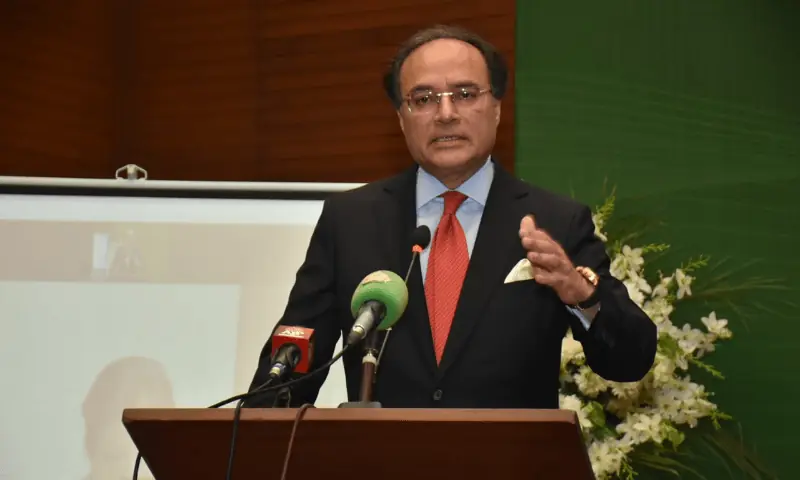
Pakistan’s Finance Minister Muhammad Aurangzeb arrived in Washington on Saturday for a three-day visit aimed at negotiating a broader bilateral economic partnership with United States officials. The visit follows ongoing discussions regarding trade, finance, and investment, as Islamabad seeks to stabilize its economic outlook amidst shifting international tariff landscapes and global market volatility.
The minister’s schedule includes high-level meetings with representatives from the Office of the United States Trade Representative (USTR), the US Export-Import Bank, the US International Development Finance Corporation (DFC), and the International Monetary Fund (IMF). These engagements are intended to address the framework for a potential bilateral trade agreement, focusing on market access, tariff structures, and expanded economic cooperation.
Navigating the Evolving US Tariff Landscape
Aurangzeb’s diplomatic mission coincides with a period of intense negotiation regarding US tariff policies. In April 2025, the Trump administration announced a global tariff regime under the International Emergency Economic Powers Act (IEEPA), which initially imposed a 29 percent tariff on Pakistani exports. Following a delegation visit to Washington in July 2025, the proposed tariff rate was reduced to 19 percent.
The legal framework for these tariffs has shifted significantly. A ruling by the US Supreme Court earlier this year invalidated the IEEPA-based tariffs, leading the administration to invoke Section 122 of the Trade Act to implement a temporary 10 percent global tariff. According to federal trade records, this temporary measure is scheduled to expire on July 24, following the statutory 150-day period. The current negotiations are expected to clarify the post-expiration trade environment for Pakistani goods.
Addressing USTR Section 301 Investigations
A significant portion of the ministerial visit is dedicated to responding to ongoing USTR investigations under Section 301. Pakistan is among nearly 60 nations currently under review regarding allegations of forced labor and specific trade practices. The government of Pakistan has submitted detailed formal responses to the USTR, including supplemental filings made this week ahead of the latest round of talks.

Under the current Section 301 process, Pakistan faces the prospect of an additional 10 percent tariff, while India and 53 other countries are subject to proposed tariffs of 12.5 percent. These investigations remain active, with public hearings before the USTR continuing as the administration weighs further trade enforcement actions. The minister’s visit serves as a platform for Islamabad to present its case for trade parity and to mitigate the impact of these potential additional duties.
Strategic Investment and Economic Reform
Beyond trade defense, the delegation is exploring infrastructure and energy project financing through the US Export-Import Bank and the DFC. These institutions are primary vehicles for American private-sector investment in developing markets, and officials are looking to identify specific avenues for capital infusion into Pakistan’s private sector.
This visit builds upon the Finance Minister’s previous trip in April, during which he attended the IMF and World Bank Spring Meetings. During those sessions, Aurangzeb presented Pakistan’s economic reform program to over 50 international financial institutions and rating agencies. His previous briefings highlighted plans to re-enter international capital markets through the issuance of Panda Bonds and Eurobonds. These discussions also addressed the regional economic impact of geopolitical tensions, particularly regarding energy market volatility linked to the conflict involving Iran.
Negotiations on the broader economic partnership are set to resume on Monday. The outcomes of these meetings are expected to influence Pakistan’s fiscal planning for the remainder of the year.
Related reading