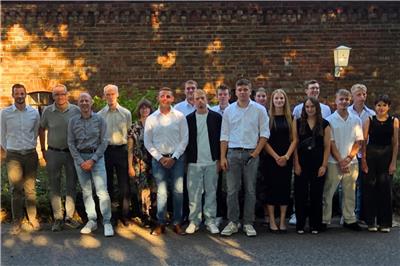
Thirty-nine newly qualified horticulture professionals in the Borken district have officially celebrated the completion of their vocational training. The graduates marked their transition from apprentices to certified landscape gardeners and production horticulturists during a regional ceremony, highlighting a vital talent pipeline for local green industries, municipal parks departments, and commercial nurseries across North Rhine-Westphalia.
Vocational training in Germany’s dual education system combines practical, hands-on employment at regional businesses with theoretical instruction at vocational schools. For these 39 young professionals in the Borken district, the milestone represents years of demanding study in botany, soil science, machinery operation, and landscape design. Industry representatives note that these newly minted specialists enter a labor market facing steady demand for sustainable urban greening, private garden design, and ecological land management.
Local agricultural chambers and trade associations oversaw the final examinations, which tested both written knowledge and practical craftsmanship. Graduates demonstrated abilities ranging from complex stone paving and plant propagation to irrigation management and structural landscaping. Regional employers frequently emphasize that practical training equips apprentices to immediately contribute to ongoing commercial and residential projects without extensive retraining.
The Structure of Horticultural Training in Germany
The path to becoming a certified gardener in Germany involves a structured two-to-three-year apprenticeship known as the Ausbildung. Trainees split their time between host businesses—such as landscape construction firms, tree nurseries, or public green spaces authorities—and vocational schools. This dual approach ensures that apprentices master both the physical realities of outdoor manual labor and the economic, ecological, and regulatory frameworks governing modern horticulture.
District agricultural offices and regional chambers of agriculture coordinate the examinations that formally conclude this training period. Candidates must pass comprehensive tests covering plant identification, pest management, blueprint reading, and safety regulations. Successful completion grants graduates the professional title of Gärtner (Gardener), with specific specializations depending on their chosen track, such as ornamental plant cultivation, tree nursery work, or landscape and garden construction.
Regional Economic Impact and Industry Demand
The influx of 39 fresh professionals provides a welcome boost to local enterprises in the Borken district, where small and medium-sized landscaping firms form a backbone of the regional economy. Demographic shifts and an increasing emphasis on ecological sustainability have driven heightened interest in professional garden and grounds maintenance. Municipalities and private clients alike increasingly rely on trained experts to design climate-resilient green spaces, manage urban tree populations, and implement sustainable water management systems.
Industry associations continuously stress the importance of recruiting young talent to offset retirements among older master gardeners. By successfully completing their programs, these new graduates help secure the operational capacity of regional businesses, ensuring that local firms can take on growing portfolios of public and private infrastructure projects.
Next Steps for the New Graduates
With their certifications in hand, the newly qualified horticulturists face several career paths. Many will transition into permanent employment with their training companies, while others plan to pursue specialized advanced certifications, such as the Meister qualification, which allows them to run their own businesses and train future apprentices. Official chambers of agriculture across North Rhine-Westphalia continue to provide guidance on continuing education opportunities, specialized seminars, and professional development programs.
Regional chambers and vocational institutions publish updated calendars of continuing education seminars and master craftsman courses on their official web portals, offering ongoing support for young professionals looking to advance their careers in the green sector.
Related reading