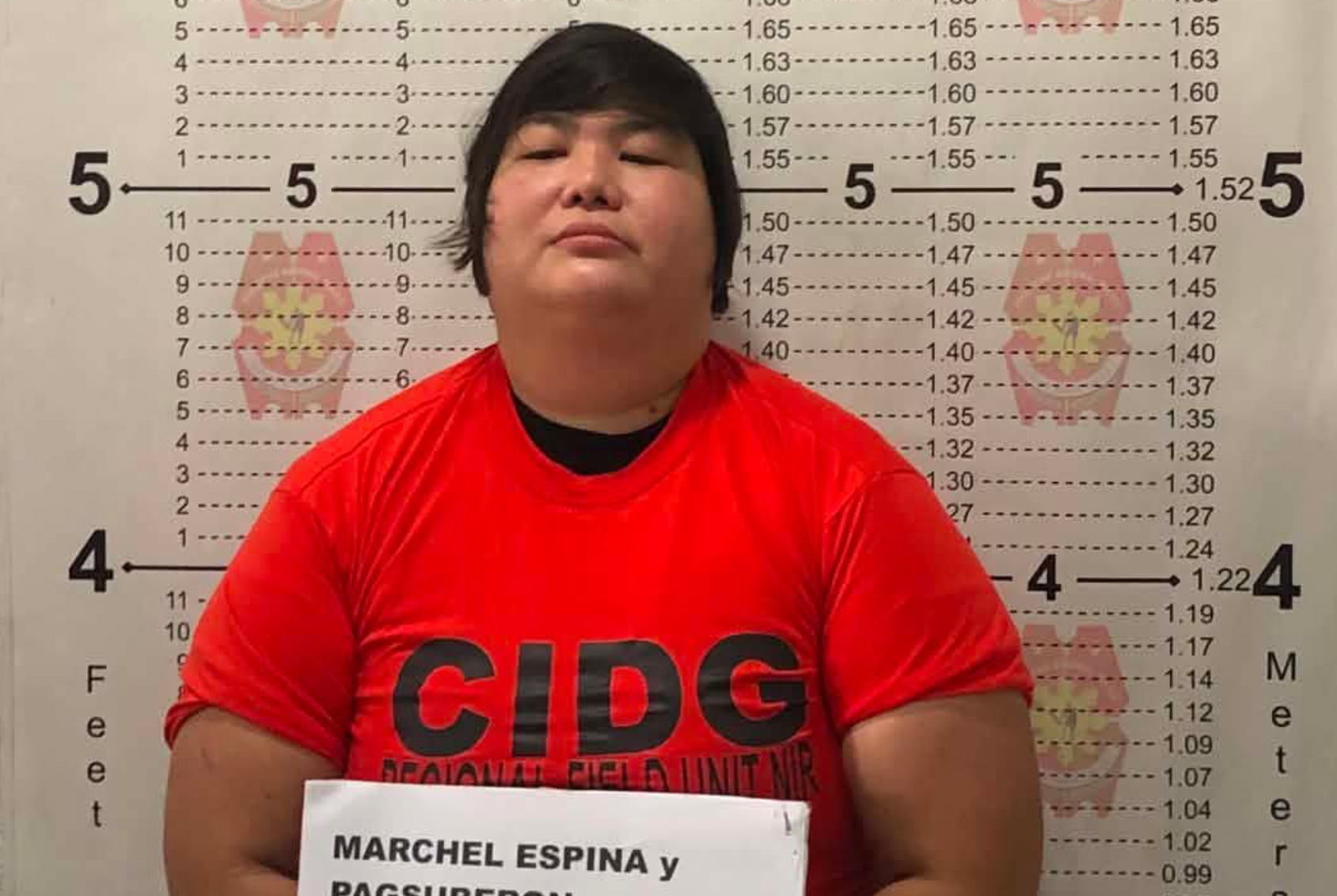
International press freedom advocates and global media organizations have strongly condemned the criminal charges and arrest of Philippine journalist Marchel Espina over an opinion article published by a regional news outlet, calling the legal action an attempt to intimidate independent reporting.
Espina, a prominent advocate for press freedom and a member of the World Association of News Publishers (WAN-IFRA) global Women in News and SaferMedia programme teams, faced a warrant for her arrest issued by a court in Batangas City on July 13. The charges center on an opinion piece written by an external contributor and published in December 2024 during Espina’s tenure as editor-in-chief of SunStar Cebu, a media organization based in the Central Visayas region.
The legal complaint was filed by a minister belonging to Iglesia Ni Cristo, an international Christian denomination founded in the Philippines. According to court filings, the complainant alleged that the published commentary caused him emotional distress, annoyance, and irritation. The opinion article in question examined the political influence of the prominent religious group and its connections to high-ranking political figures across the country.
Legal Escalation and the Charge of Cyber Unjust Vexation
The ongoing legal battle represents the second attempt by the complainant to penalize the media outlet over the December 2024 opinion piece. Initial cyber-libel complaints submitted in 2025 targeted SunStar Cebu directly, but those proceedings were unsuccessful before prosecutors escalated matters to include criminal charges against individuals.
Espina and four other individuals connected to the Central Visayas media organization were named in filings accusing them of “cyber unjust vexation.” Under Section 1, Article 287 of the Revised Penal Code, criminal unjust vexation carries a maximum prison sentence of 30 days alongside a fine of up to 40,000 Philippine pesos.
Following the issuance of the Batangas City court warrant, Espina voluntarily surrendered to local law enforcement authorities in her hometown of Bacolod City four days later, on July 17, and promptly posted bail. In a public statement following her release, she emphasized her respect for the judicial process while simultaneously raising serious concerns regarding the weaponization of criminal law against the press.
“While every person has the right to seek legal remedies, the legal process should never be used to discourage independent journalism and reporting in the public interest,” Espina stated.
Global Condemnation and Due Process Concerns
Media watchdogs have rallied around the detained editor, pointing to systemic flaws in how legal mechanisms are utilized against journalists in the Philippines. WAN-IFRA voiced profound alarm not only over the substance of the charges but also regarding alleged procedural violations that compromised Espina’s ability to mount an immediate defense.
According to press freedom advocates, Espina only learned of the active Batangas court arrest warrant through informal channels two days prior to her voluntary surrender. Because of this short notice, she was denied the opportunity to submit a counter-affidavit during preliminary proceedings, forcing her into a sequence of direct court appearances.
Andrew Heslop, Executive Director for Media Freedom at WAN-IFRA, criticized the legal action as part of a broader pattern aimed at silencing accountability journalism in the nation.
“We see this as an attempt – sadly, not an isolated one in the Philippines – to intimidate a journalist and send a clear message to others to back-off from reporting public interest stories,” Heslop said.
Heslop added that the mounting pressure on journalists strengthens the resolve of the international press community rather than inducing a chilling effect. “Knowing Marchel, her courage and determination – along with the strong support from her colleagues in the Philippines and internationally – she will not be intimidated,” he noted, calling for the complete dismissal of the charges and an end to the criminalization of journalism.
Next Steps in the Judicial Proceedings
With bail posted and her release secured, Espina faces upcoming court appearances to address the cyber unjust vexation charges in Batangas. International press organizations and legal observers continue to monitor the proceedings closely, pressing for constitutional protections to safeguard independent reporting and media accountability across the Philippines.
Related reading