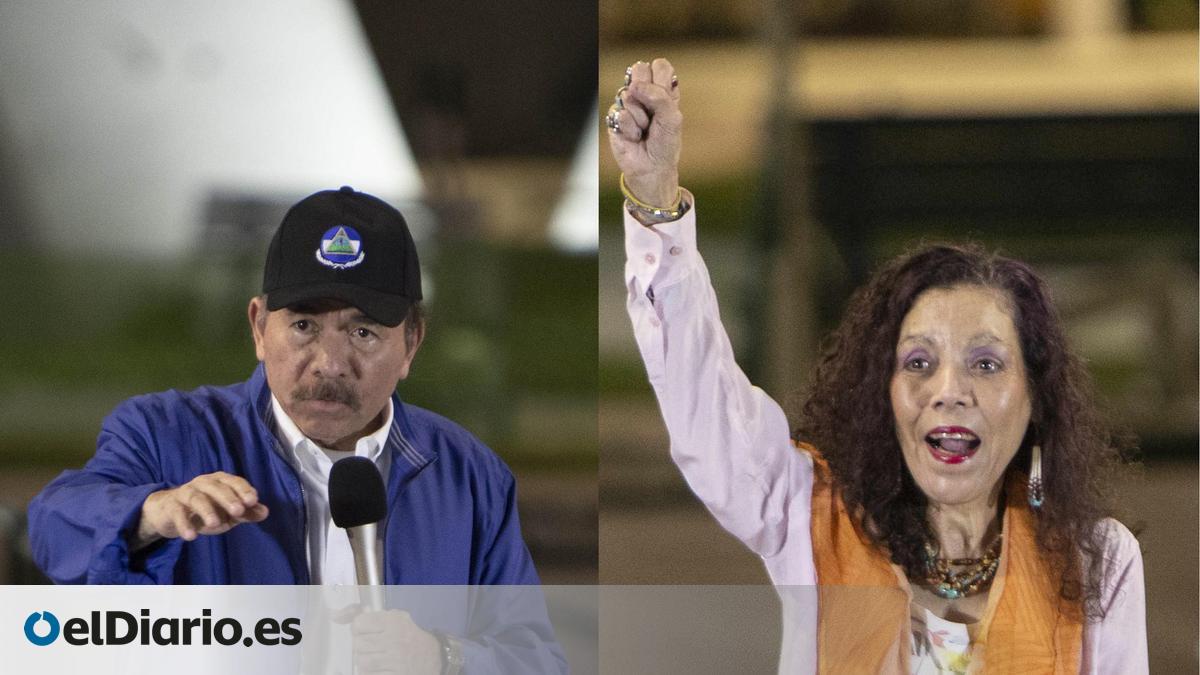
The European Union has called on Nicaragua to convene elections that are “transparent, inclusive and credible” after President Daniel Ortega stated that elections would not return to the country. High Representative for Foreign Affairs Kaja Kallas issued a statement urging Nicaraguan authorities to ensure the polls are held according to original plans and in alignment with international standards.
This diplomatic pressure follows a public declaration by Ortega, who has governed Nicaragua since 2007, suggesting an end to the electoral process to prevent political opposition from attempting to “trap” the government. The EU’s intervention marks a critical point in the deteriorating relationship between the bloc and the Managua-based administration, as the EU continues to monitor what it describes as a grave decline in fundamental rights within the country.
The European Union is specifically demanding the release of all political prisoners, the full restoration of the rule of law, and the return of international human rights organizations. According to the statement from Kaja Kallas, the EU is seeking negotiated electoral reforms to support a “democratic, peaceful and negotiated solution” to the current political crisis. The bloc remains open to political dialogue through appropriate diplomatic channels, provided such cooperation is respectful and coordinated with regional actors.
Ortega’s Proposal to Eliminate Elections
During the 47th anniversary of the Sandinista Revolution, President Daniel Ortega proposed the elimination of elections in Nicaragua. The 80-year-old former guerrilla leader asserted that elections would not return to prevent the opposition from attempting to seize power. This move coincides with accusations of electoral fraud and the systematic removal or exile of opposition figures.
Ortega has also moved to declare the constitutional article that prohibited re-election “inapplicable,” effectively clearing a legal path for indefinite rule.
In response to the international outcry, the Nicaraguan government announced on Friday that it would present a proposal for electoral reform to accredited ambassadors, business leaders, and investors.
International Condemnation and Diplomatic Response
The United States, Costa Rica, Guatemala, the Dominican Republic, Chile, Bolivia, Brazil, and Peru have expressed concern or outright rejection of the proposal to end elections. Panama has taken the more severe step of withdrawing its ambassador from Nicaragua.
Alberto Ramdin, Secretary General of the Organization of American States (OAS), and Volker Türk, the UN High Commissioner for Human Rights, have both voiced opposition to the president’s declarations. These statements align with the EU’s condemnation of what it calls “systemic repression” by Nicaraguan authorities.
Gustavo Porras, head of the National Assembly (Parliament), stated that elections would still take place, but only under a new constitutional framework.
The Role of the Nicaraguan Legislature and Vice Presidency
Rosario Murillo has confirmed that the Legislative Assembly, in coordination with the Presidency, is advancing the drafting of the electoral reform proposal. Murillo claims these reforms are intended to ensure that electoral processes remain “free, democratic, sovereign and dignified.”
Worth a look
- Practical Guide to Understanding the US Banking System, Building Your Credit Score Without Local History, and Establishing Your Tax Foundation
- Understanding The Fraught Politics Of Powering AI
- Residents in southwest Arizona battle persistent fly infestation as officials face public demands (news-usa.today)