
Donald Trump used his first WHCA Dinner as president to deliver a speech filled with personal attacks against the press and political rivals, resulting in what reporters described as a largely stunned silence from the audience. The event, traditionally a lighthearted affair of mutual ribbing between the administration and the media, shifted in tone as Trump targeted specific journalists and news organizations during his remarks.
The appearance marked a departure from the event’s historical precedent of self-deprecating humor. According to reports from The Washington Post, the atmosphere in the room turned tense as the insults were lobbed at the very people tasked with covering the executive branch, leaving many in the crowd unresponsive to the jokes.
This dynamic highlighted a deepening rift between the Trump administration and the national press corps. While the dinner is designed to bridge the gap between government and media through satire, the delivery of this specific set was characterized by several outlets as a failure to land with the intended audience, with CNN reporting that the performance effectively proved the point of the press’s adversarial relationship with the president.
Trump’s Rhetorical Approach and Targeted Insults
During the proceedings, Donald Trump focused a significant portion of his speech on criticizing the accuracy and motives of the media. ABC News reported that the president used the platform to lob insults at political opponents and members of the press, mirroring the combative style he frequently employed during campaign rallies and social media interactions.
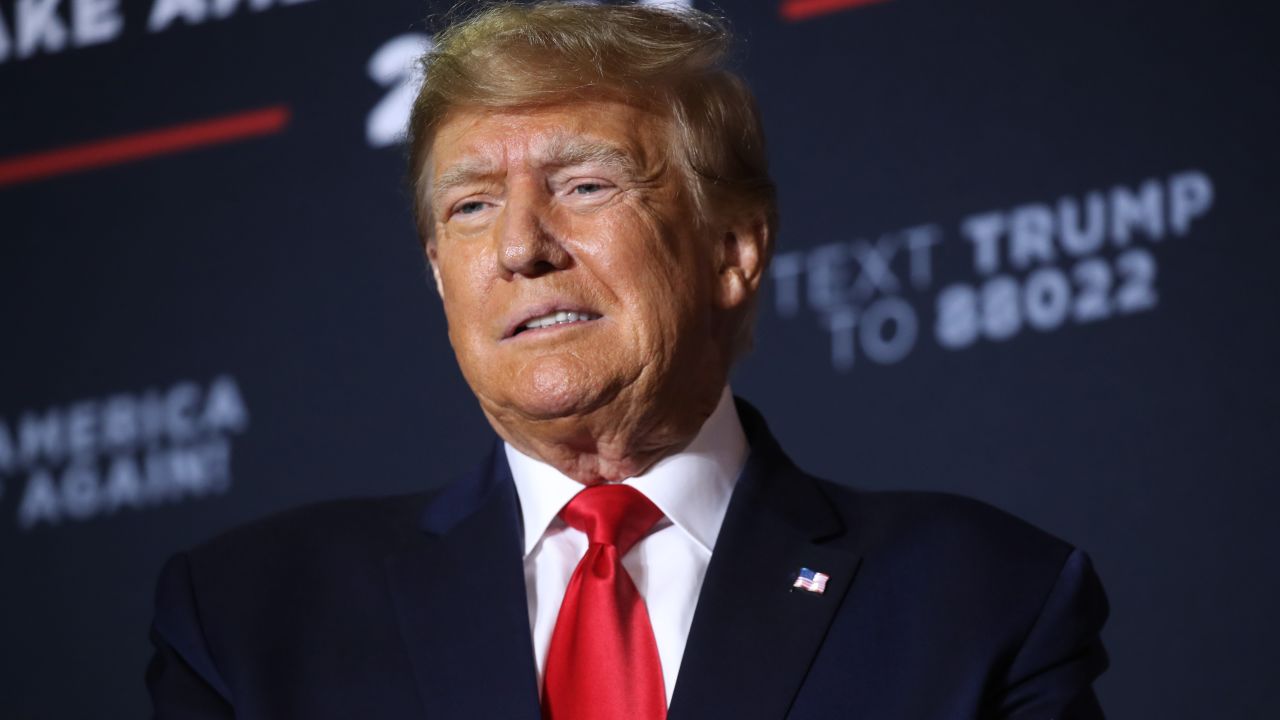
The content of the speech avoided the traditional “roast” format, where a president typically pokes fun at their own shortcomings or the quirks of their staff. Instead, the remarks were framed as a critique of the “fake news” narrative. This approach resulted in a lack of laughter from the room, which is typically a choreographed environment of shared irony between the White House and the journalistic community.
Analysis of the event suggests the speech lacked the timing and reciprocity required for a successful Correspondents’ Dinner. Rather than engaging in the social ritual of the evening, the president used the microphone to reinforce a narrative of persecution by the media, which observers noted did not translate well to the formal setting of the dinner.
Media Reception and the ‘Stunned Silence’
The reaction from the press corps was not one of amusement, but of discomfort. The Washington Post detailed how the room often fell silent following the president’s jabs, a stark contrast to the boisterous laughter that usually accompanies such events. This silence was interpreted by many attendees as a sign of the breakdown in professional decorum between the presidency and the fourth estate.
Fox News provided a different perspective, focusing on the key takeaways of the night and the specific points Trump made regarding his political opponents. However, even within varying media interpretations, the fact that the speech did not elicit the traditional laughter of the event remained a central point of observation.
The failure of the set to resonate can be attributed to the lack of a “punchline” that acknowledged the absurdity of the situation. In previous years, presidents have used the dinner to humanize themselves; however, the reported “rambling” nature of this set, as described by MS Now, suggested a lack of cohesion that alienated the audience further.
The Significance of the White House Correspondents’ Dinner
The White House Correspondents’ Dinner is an annual event hosted by the White House Correspondents’ Association (WHCA). It serves as a rare occasion where the president of the United States and the journalists who cover them share a meal and exchange jokes. The event is intended to signal a level of stability and mutual respect, even in a high-friction political environment.
When a president fails to connect with the audience at this dinner, it is often viewed as a bellwether for the state of press-government relations. The tension at this particular event served as a public manifestation of the hostility that had defined the Trump administration’s interaction with the media. By treating the dinner as a political rally rather than a social gathering, the president signaled a rejection of the traditional norms associated with the office.
For the journalists in attendance, the experience was less about the humor and more about the confirmation of a volatile relationship. The “stunned silence” reported by multiple outlets indicates that the press was not merely offended by the insults, but surprised by the president’s decision to use the platform for a direct attack rather than the expected diplomatic satire.
The event underscores the precarious nature of the “free press” in the modern era. As the president continued to label news organizations as “enemies of the people,” the dinner—once a symbol of the coexistence of power and scrutiny—became a venue for that conflict to be played out in real-time.
We invite our readers to share their thoughts on the evolving relationship between the presidency and the press in the comments section below.
- D4vd Facing Abuse Allegations: Prosecutors Claim Abuse Began When Victim Was 13
- Should the Nové Mlýny Reservoirs Be Drained? The Debate Over Fish Kills and Cyanobacteria
- Trump’s Aircraft Delivery Push Led to Higher Costs and Safety Trade-offs (newsdirectory3.com)
- Rescission Packages, Explained: The Route Trump Bypassed (daybreakwire.com)