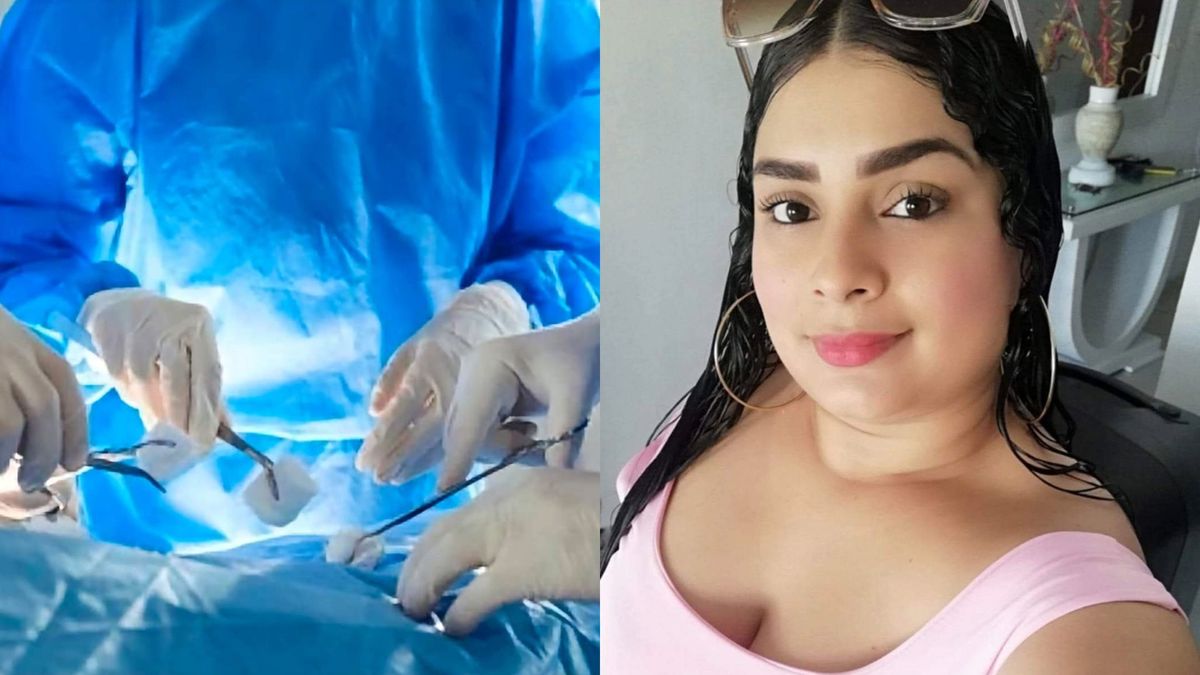
An investigation has intensified following allegations that a husband was offered a financial settlement to prevent the body of his wife from being transferred to Colombia’s National Institute of Legal Medicine and Forensic Sciences (Medicina Legal) following her death during an aesthetic procedure. The case has drawn heightened scrutiny from health authorities and law enforcement regarding patient safety standards and post-mortem protocols in private surgical clinics.
According to reports covered by Colombian media outlets including La FM, the grieving spouse publicly stated that clinic representatives attempted to arrange a monetary refund to bypass mandatory forensic investigations that standardly follow unexpected deaths under medical procedures. The allegations have prompted calls for a comprehensive review of clinical oversight and regulatory compliance within the country’s booming cosmetic surgery sector.
As regulatory bodies examine the circumstances surrounding the fatal procedure, public interest groups and legal advocates are emphasizing the critical need for absolute transparency when surgical complications turn fatal. State investigators are currently reviewing facility records, staff credentials, and the sequence of communications that immediately followed the patient’s death inside the operating suite.
Regulatory Oversight and Forensic Mandates in Surgical Clinics
Under Colombian public health regulations, any sudden or unexpected death occurring during a medical or surgical procedure must be reported immediately to forensic authorities. The transfer of a body to Medicina Legal is a mandatory legal step designed to establish an objective, independent determination of the exact cause of death through an official autopsy.
Public health experts note that attempting to bypass this protocol violates established legal frameworks governing medical accountability. When a patient dies on the operating table or shortly thereafter, clinical facilities are legally required to preserve the scene, secure all medical records, and notify both health surveillance authorities and judicial police.
The Ministry of Health and regional superintendencies maintain strict guidelines regarding adverse clinical events. These rules exist to protect patients, ensure accountability, and prevent private settlements from obscuring potential medical malpractice or regulatory infractions.
Broader Implications for Cosmetic Surgery Safety
The incident highlights ongoing concerns regarding the regulation of aesthetic surgery clinics across urban centers. Industry watchdogs have repeatedly warned about the proliferation of unlicensed or loosely supervised facilities operating outside comprehensive hospital safety networks.
Patient advocacy organizations stress that individuals considering cosmetic procedures should verify the official accreditation of both the surgical facility and the attending medical specialists through official medical registry platforms. Adequate post-operative monitoring, certified anesthesiology staff, and emergency transfer agreements with full-service hospitals remain vital components of safe surgical practice.
Legal analysts following the case point out that offering financial compensation in exchange for withholding evidence or avoiding mandatory autopsies constitutes a severe criminal offense, potentially leading to obstruction of justice charges alongside any underlying medical liability claims.
Next Steps in the Judicial Investigation
Investigators from the Attorney General’s Office (Fiscalía General de la Nación) and health inspection units are continuing their examination of the clinic’s operations. Officials have indicated that witness testimonies, audio recordings, and medical charts gathered during initial raids will form the basis of upcoming legal proceedings.
Further updates from judicial authorities are expected as forensic reports are finalized and submitted to the presiding prosecutors. Readers seeking verified updates on healthcare regulations and patient rights in Colombia can consult official advisories published by the Superintendencia Nacional de Salud.
We invite readers to share their thoughts and perspectives on this developing story in the comments section below.
Worth a look