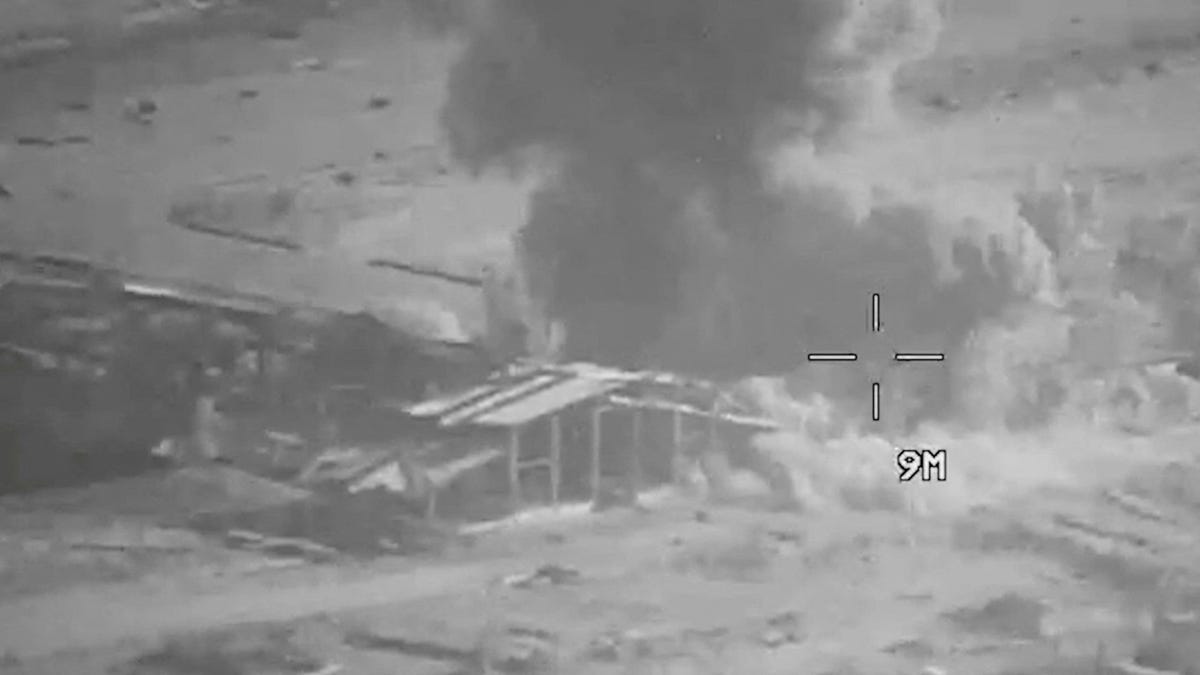
Yemen’s Houthi militants fired missiles and drones at Saudi oil installations in Jizan and Yanbu on Saturday, July 25, 2026.
Houthi Attacks Target Saudi Oil Infrastructure on the Red Sea
Yemen’s Iran-aligned Houthi militants fired on Saudi oil installations in two ports on the Red Sea coast on Saturday. The strikes targeted facilities belonging to Saudi state oil giant Aramco in Jizan and Yanbu, according to Islamist militants based in Yemen and backed by Iran. Houthi military spokesperson Yahya Saree said the group had successfully struck sites belonging to Saudi state oil giant Aramco in Jizan and Yanbu.
Video shared on social media and verified by Reuters showed a large column of smoke rising from the direction of the Aramco refinery in Jizan. Two Asia-based trading sources indicated potential damage to fuel and oil storage sites at Jizan, though Aramco did not respond to requests for comment. In Yanbu, two ballistic missiles aimed at oil installations were intercepted by a U.S.-made Patriot battery operated in Saudi Arabia by the Greek military under an agreement with Riyadh, Greek security sources reported.
Yanbu serves as Saudi Arabia’s main Red Sea oil port, handling millions of barrels daily as a primary route bypassing the blockaded Strait of Hormuz. Jizan hosts a refinery with a capacity of 400,000 barrels per day close to the Yemeni border. The renewed fighting threatens to spread the conflict to a second major shipping route and reignite Yemen’s civil war. The new apparent Houthi aggression in the Red Sea came despite a shaky truce between the Saudi kingdom and Yemen, which has been in a civil war for 12 years.
United States Pauses Nightly Strikes on Iran
The Houthi assault coincided with a sudden halt in U.S. military operations against Iran. Washington gave no immediate explanation for pausing strikes Friday night into Saturday, breaking a streak of 13 nights of escalating retaliation for Iranian attacks on shipping in the Strait of Hormuz. Iranian media and government officials reported no incoming attacks.
Axios reported, citing two unidentified sources familiar with the matter, that President Donald Trump directed the military on Friday not to conduct new strikes against Iran. A senior U.S. official told Reuters that Trump has always been clear that his preference is diplomacy, but he has shown Iran what will happen if they fail to come to the table in a serious way.
It seems that our dear Iran had a peaceful night last night,
Health Ministry spokesperson Hossein Kermanpour said on X.
President Trump stated on Friday that the United States and Iran were in talks to negotiate an end to the conflict, though he maintained that Tehran was not yet ready for a deal. A delegation from Oman arrived in Tehran for discussions regarding operations in the strait, according to Axios, citing two regional sources.
Coalition Response and Regional Energy Squeeze
In response to the Houthi offensive, a Saudi-led coalition responded by striking Houthi military positions later on Saturday, according to Yemen TV, a channel affiliated with the internationally recognised Yemeni government. The day before, the coalition struck the port from which the Houthis’ maritime attacks normally originate. The Houthis also announced they would blockade Saudi ports and attacked two Saudi-linked oil tankers in the Red Sea.
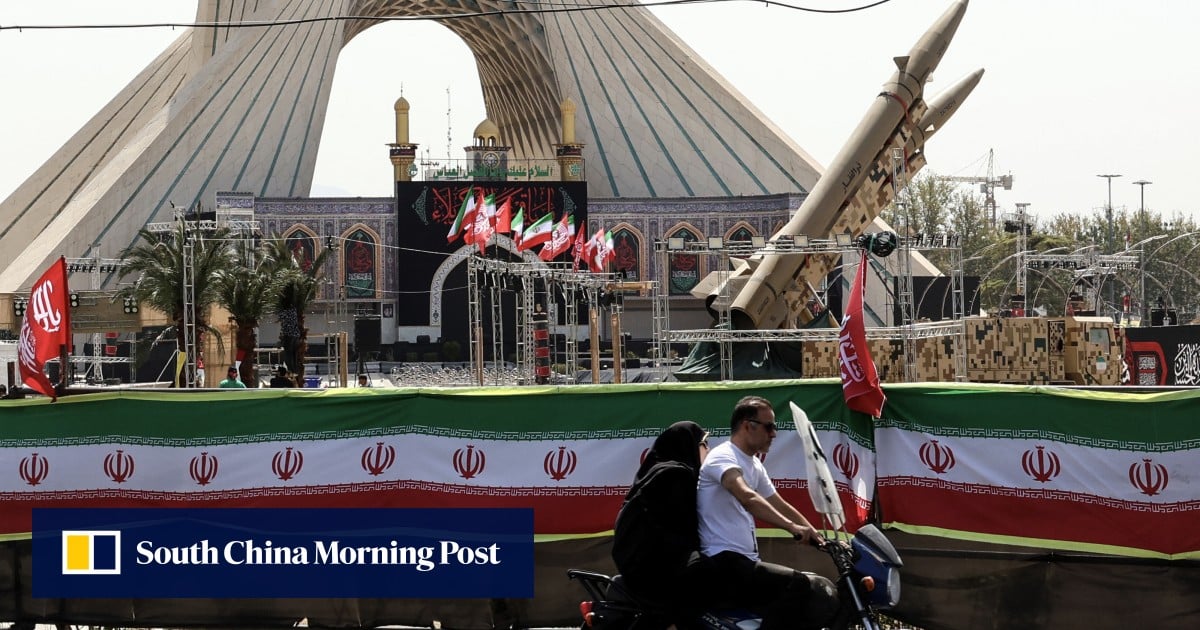
The hostilities compound a severe squeeze on regional energy supplies. Traffic through the Strait of Hormuz, which normally carries a fifth of global crude supplies, remains largely paralyzed by the hostilities. Global oil prices surged following the recent escalation, with Brent crude closing on Friday at $96.78 a barrel, having soared around 27% in the past two weeks as US-Iran clashes worsened and the Houthis effectively opened a second front in the war.
Keep reading