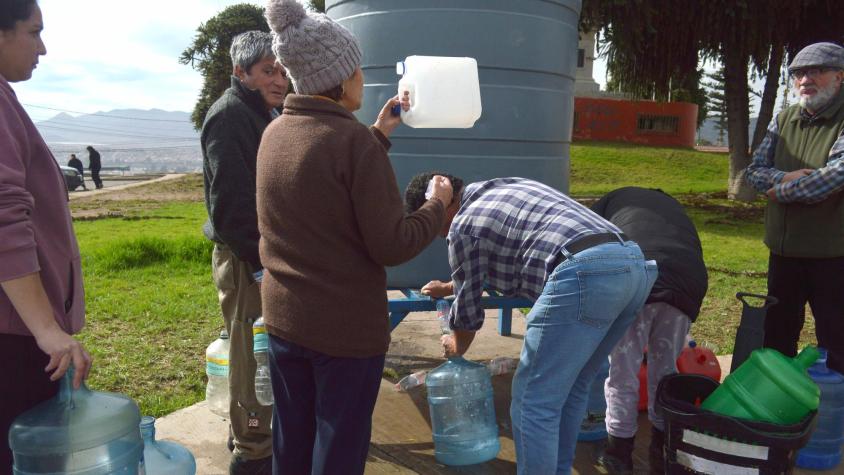
Heavy rainfall and subsequent flooding create significant public health risks, particularly regarding food safety and gastrointestinal illness. When floodwaters inundate homes, streets, and agricultural fields, they carry sewage, chemical runoff, and pathogenic microorganisms that can easily contaminate drinking water supplies and food inventories.
Public health authorities emphasize that maintaining rigorous hygiene standards during and after severe weather events is the most effective defense against foodborne outbreaks. According to guidance issued by the Pan American Health Organization and regional health ministries, disrupted electricity and compromised infrastructure make proper food handling critical to prevent bacterial and viral infections.
Understanding how contaminants spread during floods helps households protect themselves against acute diarrheal diseases, leptospirosis, and other waterborne threats. The following sections outline essential food safety protocols, water purification measures, and practical steps for managing perishable goods in emergency conditions.
Evaluating Food Safety After Floodwaters Recede
Floodwaters are rarely clean; they frequently contain agricultural waste, industrial pollutants, and human sewage. Any food that has come into direct contact with floodwaters must be discarded immediately, as permeable packaging cannot protect contents from microscopic pathogens.
Canned goods and commercially sealed metal containers present a more durable option, but even these items require thorough decontamination before opening. Health agencies advise washing undamaged metal cans in a solution of clean water and household bleach, followed by a thorough rinse, to eliminate surface bacteria deposited by floodwaters.
Fresh produce grown in flooded gardens or fields poses a severe health hazard and should not be consumed. According to safety advisories from the Centers for Disease Control and Prevention, root crops and leafy greens exposed to floodwaters absorb pathogens that cannot be washed away safely, making disposal the only viable option.
Water Sanitation and Safe Preparation Practices
Kitchen hygiene becomes significantly more challenging when municipal water systems fail or become contaminated. Tap water should be treated as unsafe for drinking, washing dishes, or preparing food until local authorities officially declare the supply potable.
Boiling water for at least one minute is the most reliable method to kill harmful bacteria, viruses, and parasites. When boiling is not feasible, chemical disinfection using unscented household chlorine bleach provides an alternative; standard protocols require adding about eight drops of regular bleach per gallon of clear water, followed by a 30-minute waiting period before use.
Preparing meals safely also requires strict hand hygiene. Food handlers must wash their hands thoroughly with soap and safe, treated water for at least 20 seconds before touching ingredients, utensils, or cooking surfaces.
Managing Perishable Inventories During Power Outages
Severe storms frequently trigger extended power outages that compromise refrigerator and freezer temperatures. A closed refrigerator will keep perishable items safe for approximately four hours, while a full freezer maintains safe temperatures for up to 48 hours if the door remains shut.
Consumers should inspect refrigerated items closely once power returns or before moving contents to alternative storage. Perishable foods such as meat, poultry, fish, eggs, and leftovers that have been exposed to temperatures above 40 degrees Fahrenheit for more than two hours must be thrown out to prevent food poisoning.
When in doubt, throw it out remains the golden rule of emergency food safety. Relying on visual appearance or smell is dangerous, as dangerous foodborne pathogens often grow without altering the taste, texture, or odor of the food.
Worth a look