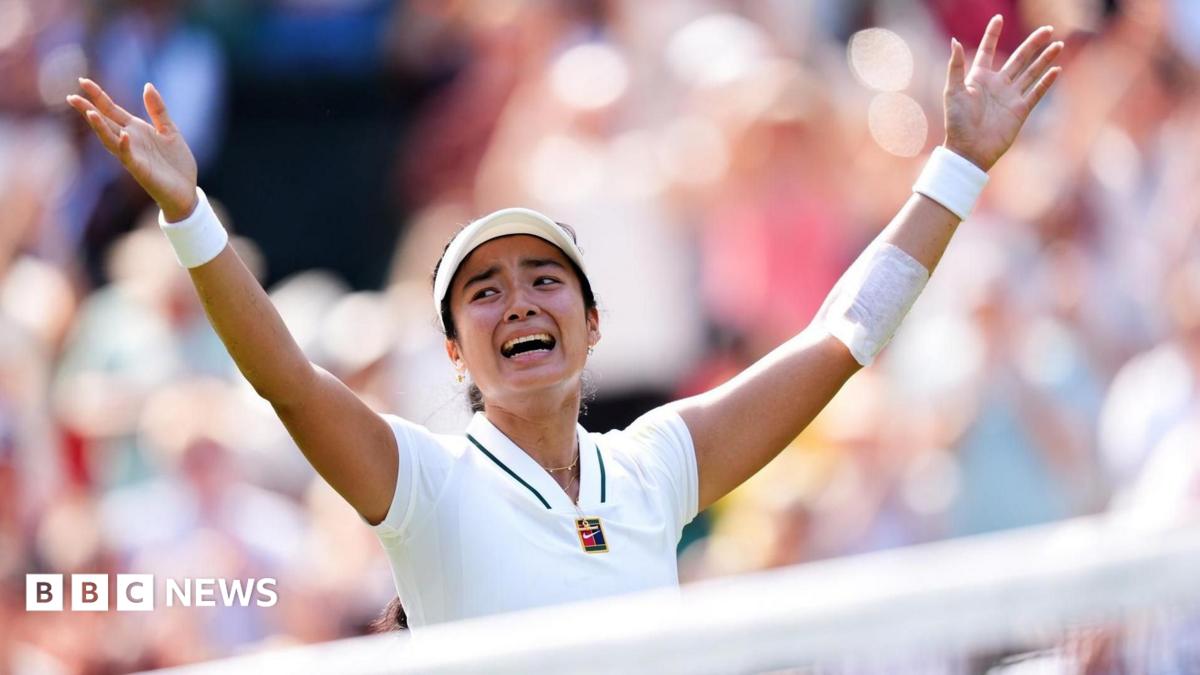
Alex Eala’s historic run at Wimbledon has ignited a profound shift in Philippine sports culture, steering public fascination away from traditional staples like basketball and boxing toward the tennis court. Long regarded as an exclusive pastime for the country’s economic elite, tennis is experiencing an unprecedented surge in grassroots popularity following Eala’s breakthrough performances on the international stage. Sports analysts and local club administrators report a dramatic uptick in court bookings, racket sales, and youth enrollment, signaling a generational change in how young Filipino athletes view their athletic futures.
The 19-year-old Filipina tennis star, whose ascent through the International Tennis Federation (ITF) and junior Grand Slam circuits captured global attention, has brought the sport into mainstream Filipino households. According to sports economists tracking youth participation rates, membership inquiries at Metro Manila tennis clubs have climbed steadily over the past year. This enthusiasm extends far beyond urban enclaves, as public recreation departments field daily requests for court access and instructional clinics.
Basketball has long held an untouchable status as the undisputed national sport of the Philippines, backed by fervent grassroots leagues and professional television ratings. Similarly, professional boxing remains deeply embedded in the national consciousness, fueled by a legendary lineage of world champions. Yet Eala’s high-profile matches at Wimbledon and other major international tournaments have introduced millions of sports fans to the strategic nuances, scoring system, and global prestige of tennis, creating an entirely new demographic of dedicated followers.
Breaking Down Barriers for the Next Generation
Historically, tennis in the Philippines faced severe structural limitations, primarily due to the high costs associated with private club memberships, specialized coaching, and international travel. Facilities outside major metropolitan areas remained scarce, restricting competitive play to affluent communities. Eala’s success has actively challenged this paradigm, prompting municipal leaders and private sports academies to reevaluate grassroots development programs.
Local sports administrators note that public interest is no longer confined to watching Grand Slam broadcasts in the middle of the night. Parents are actively seeking out beginner clinics for their children, hoping to replicate the trajectory of a player who honed her skills at the Rafael Nadal Academy in Spain before making her mark on the senior tour. Tennis equipment suppliers report inventory shortages for junior-sized rackets and balls, a tangible metric of the sport’s rapid democratization.
Coaches working in public sports complexes emphasize that accessibility remains the central hurdle for sustained growth. While the initial surge in popularity is undeniable, transforming casual viewers into competitive players requires substantial investments in community courts, affordable coaching pipelines, and subsidized tournament travel. Several regional sports councils have announced preliminary initiatives to upgrade public courts, aiming to capitalize on the current wave of enthusiasm.
The Economic and Cultural Ripple Effects
The cultural impact of Eala’s Wimbledon campaign extends into sports retail, tourism, and media broadcasting rights. Major sporting goods distributors in the Philippines confirm a double-digit percentage increase in tennis-related sales over the last two quarters. Media networks, traditionally dominated by basketball programming, are expanding their coverage of international tennis tournaments to satisfy a growing appetite for live matches and player profiles.

Industry observers compare this momentum to the historic boxing booms sparked by Manny Pacquiao’s early world title victories, though with a distinct demographic footprint. While boxing and basketball traditionally drew participants from working-class communities seeking upward mobility, the current tennis boom is bridging socio-economic divides by introducing racquet sports to schools and public recreational centers that previously prioritized team sports.
Athletic directors point out that the psychological barrier has lifted. For decades, young Filipino athletes believed international success in individual sports was restricted to combat disciplines or weight-class divisions. Eala’s presence on the professional tour proves that a Filipina can compete and win against the world’s best on grass, hard courts, and clay alike.
Future Outlook and Upcoming Tournaments
As the international tennis calendar progresses, attention turns toward Eala’s upcoming schedule on the Women’s Tennis Association (WTA) tour and preparations for future Grand Slam qualifications. Sports analysts emphasize that maintaining this domestic momentum depends heavily on continued media visibility and institutional support from sports governing bodies.
The Philippine Tennis Association and local sports commissions face mounting pressure to formalize talent identification pipelines and provide financial backing for promising juniors. Stakeholders meet regularly to discuss infrastructure grants and coaching certification workshops designed to sustain the sport’s newfound growth.
Fans and aspiring players can monitor official WTA rankings, tournament draws, and player schedules directly through the Women’s Tennis Association official portal, while local updates on domestic tournaments and training clinics are posted regularly by the Philippine Tennis Association. Share your thoughts on the growth of Philippine tennis in the comments below.
Keep reading