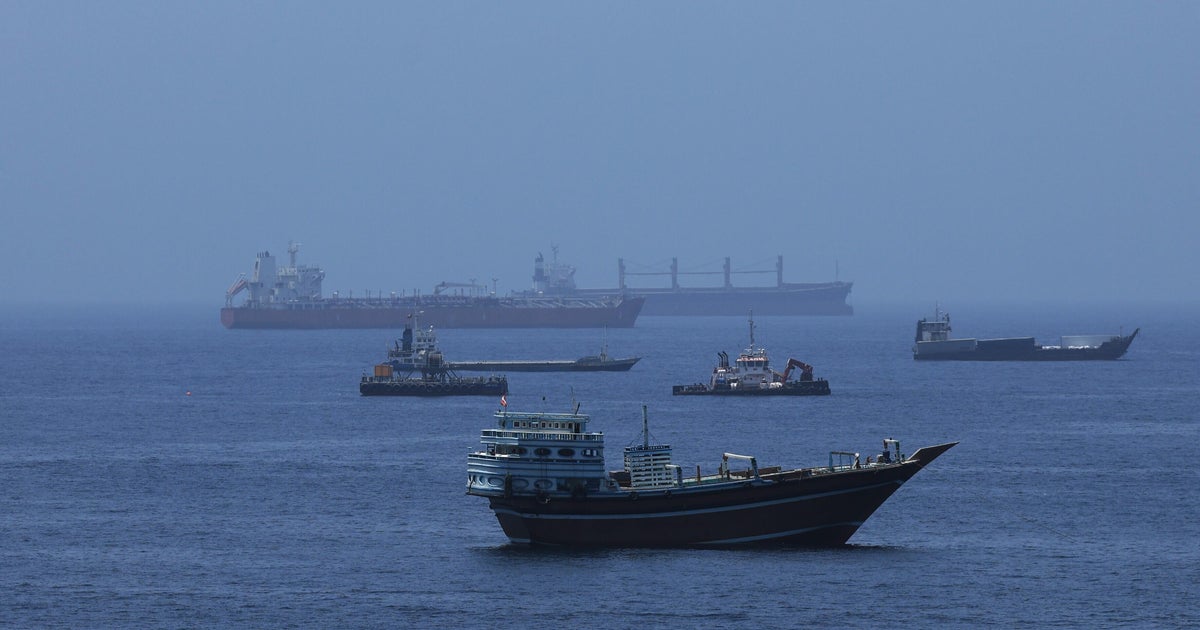
Diplomatic talks between Oman and Iran aimed at reopening the strategically vital Strait of Hormuz and their respective territorial waterways have yielded notable progress, according to two sources familiar with the discussions. The ongoing negotiations address maritime access points and transit routes in one of the world’s most critical energy chokepoints, where millions of barrels of oil and liquefied natural gas pass daily.
The discussions between Muscat and Tehran carry significant implications for international shipping, global energy markets, and regional security dynamics in the Persian Gulf. By focusing on the reopening of territorial waterways and easing navigation restrictions in the Strait of Hormuz, officials are attempting to lower maritime tensions that have repeatedly threatened commercial vessel traffic and offshore energy exploration in the region.
While formal statements from regional foreign ministries remain measured, the diplomatic engagement underscores Oman’s long-standing role as a vital intermediary between Iran and Western-aligned nations. Analysts note that any formal agreement to normalize or expand waterway access could substantially reduce insurance premiums and transit delays for commercial cargo ships operating through the Gulf of Oman and the Persian Gulf.
Geopolitical and Economic Significance of the Strait
The Strait of Hormuz connects the Persian Gulf with the Gulf of Oman and the Arabian Sea, serving as a vital artery for global petroleum transport. According to data from the U.S. Energy Information Administration (EIA), roughly one-fifth of the world’s petroleum supply traverses the narrow channel, making uninterrupted passage a cornerstone of global economic stability.
Oman’s geographical position on the southern shore of the strait places Muscat in a unique diplomatic position to facilitate dialogue regarding maritime boundaries and navigational safety. Previous disruptions in the area have prompted military escorts for commercial tankers and heightened concerns among maritime operators across Asia, Europe, and North America.
Shipping associations and maritime intelligence firms have closely monitored the Oman-Iran diplomatic track, looking for concrete indicators of easing restrictions. Safe passage guarantees benefit regional economies heavily reliant on marine trade while providing a test case for broader diplomatic thaw in the Middle East.
Next Steps in the Diplomatic Process
Official announcements regarding the final parameters of the waterway arrangements are expected once technical committees from both nations finalize remaining protocol details. Regional observers continue to track diplomatic updates issued by the Foreign Ministry of the Sultanate of Oman and official state media outlets in Tehran for further confirmation of timeline milestones.

We welcome your perspectives on this developing story. Please share your thoughts or analysis in the comments below.
Keep reading