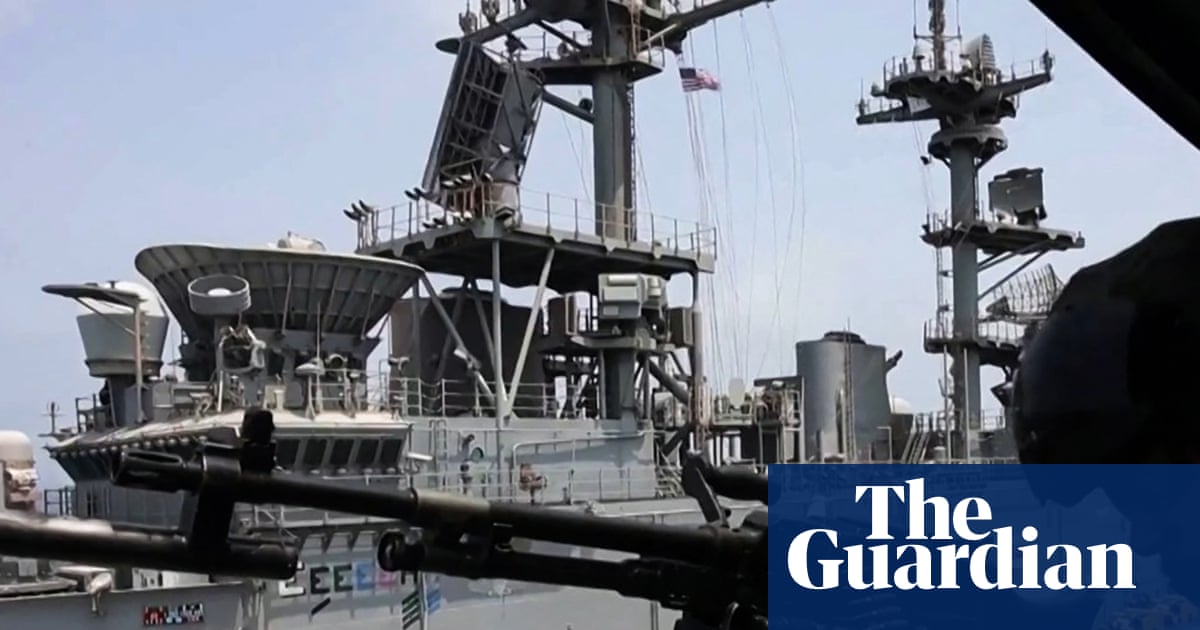
President Donald Trump paused US bombing raids on Iran for a second consecutive night, with UN Ambassador Mike Waltz stating the administration is giving diplomacy room. The suspension follows nearly two weeks of intense strikes and a parallel Iranian halt on retaliatory attacks against regional allies, according to multiple international reports.
The military campaign in the Middle East came to an abrupt halt late Friday after nearly two weeks of consecutive nightly airstrikes, according to reports from the Department of Defense. Operations are “on a hold,” a Department of Defense source told CNN on Saturday.
US Ambassador to the United Nations Mike Waltz confirmed that the president is giving talks some space as regional actors weigh a return to negotiations. Speaking to Fox News on Sunday, ambassador Mike Waltz said the president was giving talks some space, he's giving it a little bit of room
. An Iranian army spokesperson said on Sunday that Tehran had halted “retaliatory” attacks in the region in response. These [US] attacks continued until two nights ago, but over the past two nights the Americans have stopped their attacks,
said the army spokesperson Mohammad Akraminia. Our strategy has essentially been retaliatory, we have also halted our retaliatory operations.
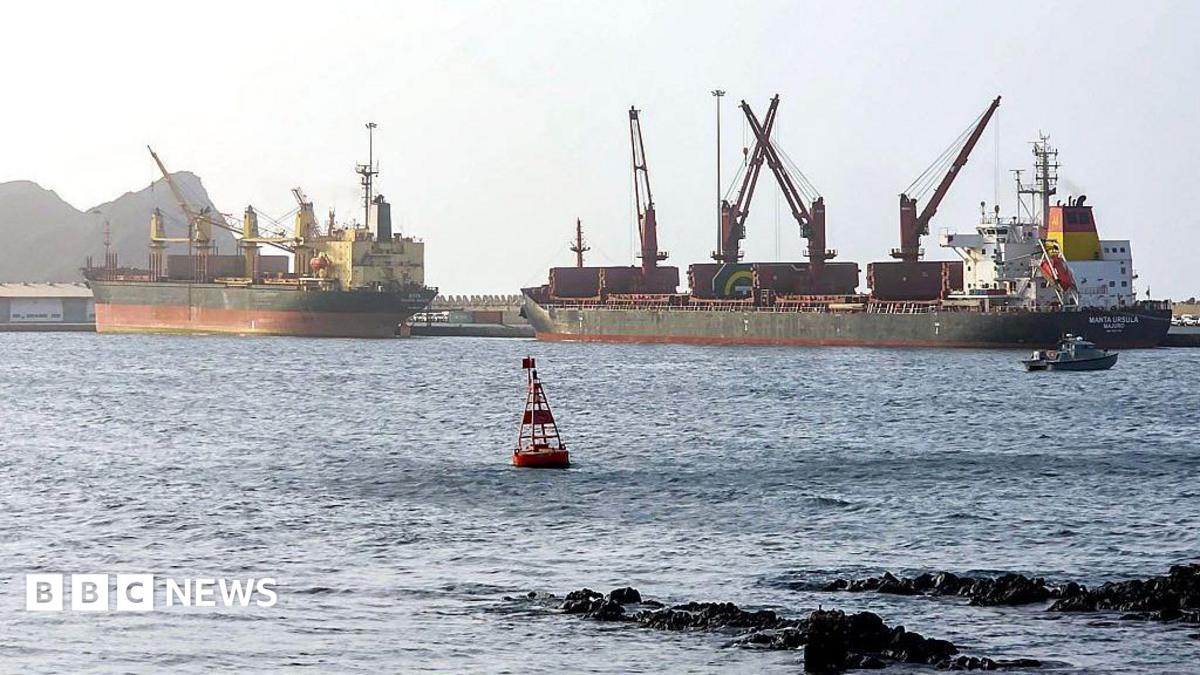
The suspension marks a sudden shift in a conflict that unravelled the ceasefire struck in June. Iran and the US signed a memorandum of understanding in June to halt military operations and reopen the strait, as well as to reach an agreement to end the war over the following 60 days. But after Iranian forces attacked tankers in the Strait of Hormuz on 13 July, the US resumed airstrikes on the country and reinstated its naval blockade on Iranian ports.
Advisers Warn Trump Over Munitions and Escalation Risks
The decision to pause the bombing campaign followed a White House meeting on Friday where senior military leaders and administration officials raised alarms about the trajectory of the war. Vice President JD Vance and Chairman of the Joint Chiefs of Staff Gen. Dan Caine both raised concerns about escalating the war in Iran as President Donald Trump weighed the possibility during the meeting, a source familiar with the matter and a US official told CNN. On Friday, Caine specifically raised concerns about the US munitions stockpile and other potential negative implications, according to the sources. One of the sources said that Caine told Trump and the US military they could carry out the options available to him and be successful but then warned of the possible implications.
The stockpile concern was one of many raised to Trump during the meeting, both sources said. The potential for massive civilian casualties inside Iran if the US resumed major combat operations was also raised, a person familiar with the matter said. Trump has threatened civilian infrastructure, including roads, bridges and power plants, over the past week, the targeting of which could constitute war crimes. Doing so could potentially leave scores of Iranians dead and many more to suffer without power or food, Trump was warned, according to the person. The broad concerns raised during Friday’s meeting also included sparking a potential refugee crisis, Iranian retaliation against Gulf energy and desalination infrastructure and the potential for regional escalation, according to a source familiar with the discussion. Most of the advisers in the room said that if Trump wanted to pull the trigger on a bigger attack, the US could do so in a devastating way, but that the president should consider the potential second- and third-order effects. It’s currently unclear if the stockpile concern or warning about escalation were the primary reasons why the US paused.
Axios reported on Sunday that Adm Bradley Cooper, the top US military commander in the region, had told Trump the US military campaign had reached the limits of its effectiveness. Cooper told Trump the US had nearly exhausted the list of targets that it had developed to attack in Iran, and without a return to major combat operations there was little point in continuing the bombing campaign, the news website reported.
Asked whether Trump had decided against escalation for now, Waltz told NBC: I wouldn't go that far at all. The president is keeping all options on the table.
Waltz also rejected reports in the New York Times that administration officials had warned expanding hostilities could dangerously drain a diminished stockpile of air defence munitions. The US military… has everything that it needs to conduct this campaign as effectively as it needs to be,
he said.
Tehran Halts Retaliatory Strikes as Omani Mediators Push for Talks
Parallel to the American stand-down, an Iranian official told Reuters that Iran will halt its own attacks as long as the United States maintains its latest pause on air strikes. The senior Iranian source, speaking on condition of anonymity, told Reuters: Iran’s position remains ‘attack for attack’: if the attacks stop, Iran will also halt its operations. That message has already been conveyed to the United States.
The source added: However, Iran is prepared to mount a broad response should the US launch another attack.
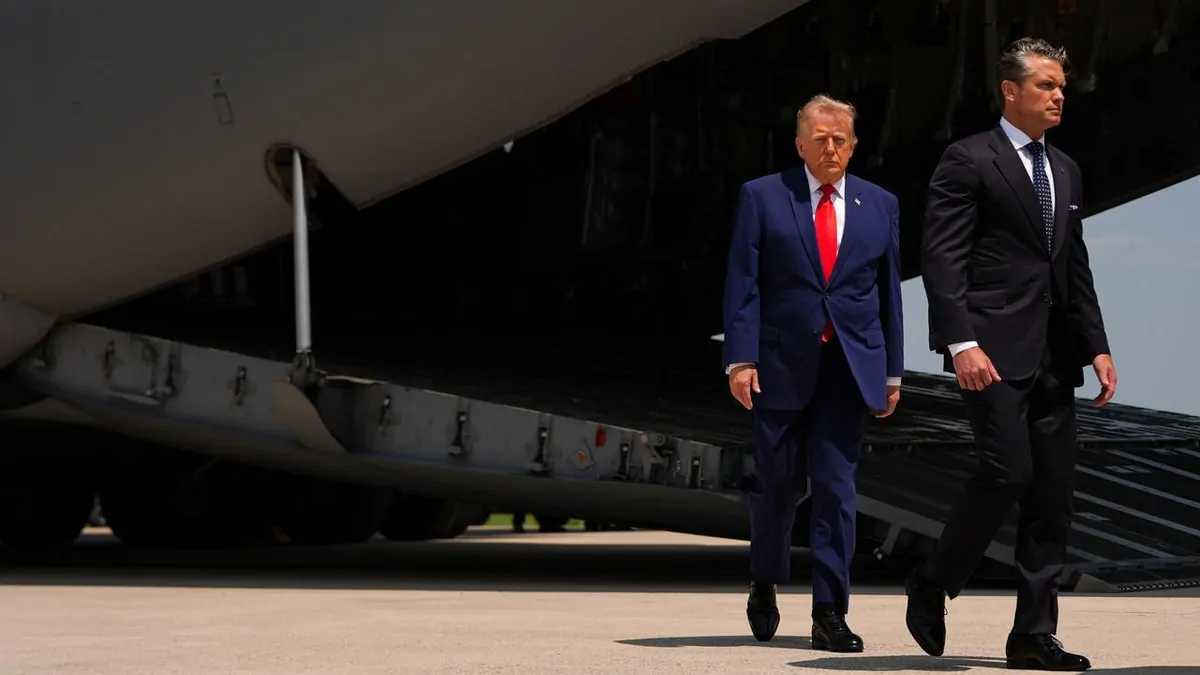
Diplomatic channels have simultaneously swung open as Iran and Oman held several rounds of technical talks in Tehran on Friday and Saturday to discuss management of the Strait of Hormuz, according to Iranian foreign ministry spokesman Esmail Baghaei. Disputes over control of the strait reignited US-Iran tensions earlier this month and it remains a major block to permanently ending the war.
Global Energy Markets and Upcoming White House Meetings
Asked about the pause, a senior official in Mr Trump’s administration said on Saturday that the president has always been clear that his preference is diplomacy but he has shown Iran what will happen if they fail to come to the table in a serious way
.
As of Sunday evening, Trump had not spoken publicly on the latest developments, but earlier posted computer-generated images on his Truth Social account that depicted US military planes bombing Iranian ships and Kharg island.
The delicate diplomatic pause faces an immediate test as Benjamin Netanyahu is expected to visit the White House on Tuesday. The Israeli prime minister is a vocal critic of Washington’s negotiations with Iranian leaders and has pressed for the US to continue its strikes against Iran. Netanyahu is under considerable political pressure to show that his military campaigns against Iran and Hezbollah in Lebanon have yielded results before elections scheduled for October.
Worth a look