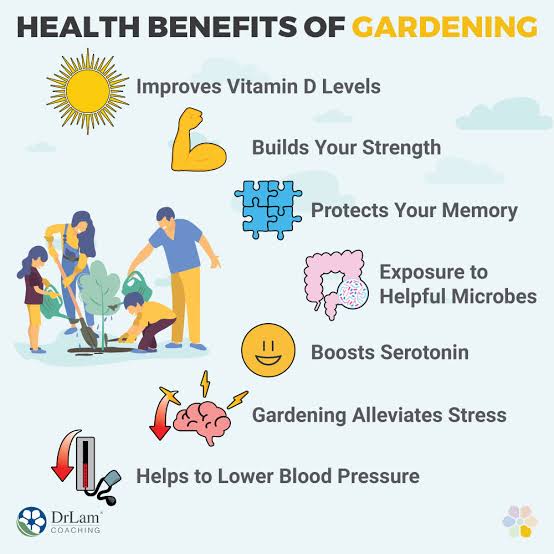
Working in the garden provides measurable physical and mental health improvements by combining low-impact aerobic exercise, exposure to sunlight, and cognitive engagement. According to the Mayo Clinic, gardening helps lower cortisol levels and reduce stress while increasing vitamin D production and improving cardiovascular health through consistent physical activity.
The practice functions as a multidisciplinary health intervention. It addresses sedentary lifestyles by requiring movements such as digging, planting, and weeding, which improve flexibility and strength. Simultaneously, the interaction with soil and nature triggers psychological responses that can mitigate symptoms of anxiety and depression.
For many, the health benefits of working in the garden extend beyond basic fitness to include nutritional security. Growing produce at home increases the likelihood of consuming fresh, nutrient-dense vegetables and fruits, directly impacting metabolic health and reducing the risk of chronic diseases associated with poor diet.
Physical Conditioning and Metabolic Impact
Gardening is categorized by health professionals as moderate-intensity physical activity. Tasks like raking or hoeing engage multiple muscle groups, providing a functional workout that improves balance and coordination. The Centers for Disease Control and Prevention (CDC) emphasizes that regular physical activity is critical for managing weight and reducing the risk of type 2 diabetes and heart disease.
The physical exertion involved in gardening contributes to a lower Body Mass Index (BMI) and improved blood pressure. The act of bending, stretching, and lifting promotes joint mobility, which is particularly beneficial for aging populations. This form of activity helps maintain muscle mass and bone density, reducing the likelihood of osteoporosis and age-related frailty.
Sun exposure during outdoor work triggers the synthesis of vitamin D in the skin. Vitamin D is essential for calcium absorption and immune system regulation. However, health authorities, including the World Health Organization (WHO), advise using sunscreen and protective clothing to prevent ultraviolet (UV) damage and skin cancer while spending time outdoors.
Psychological Recovery and Mental Wellness
Exposure to “green spaces” is linked to a significant reduction in mental fatigue and stress. This phenomenon, often studied under the framework of Attention Restoration Theory, suggests that natural environments allow the brain to recover from the cognitive load of urban living and digital screens.
Research published by the National Institutes of Health (NIH) indicates that gardening can lower levels of cortisol, the body’s primary stress hormone. The sensory experience—touching soil, smelling flowers, and hearing nature—grounds the individual in the present moment, a process similar to mindfulness meditation.
There is also a biological component to the mood-lifting effects of gardening. Soil contains a bacterium called Mycobacterium vaccae. Some studies suggest that exposure to this bacterium can stimulate the release of serotonin in the brain, which helps regulate mood and may act as a natural antidepressant.
Nutritional Gains and Preventative Health
The direct link between gardening and diet is one of the most immediate health advantages. Access to home-grown produce eliminates the “food desert” effect for some urban residents and reduces the consumption of processed foods. Home gardens provide a source of organic vegetables, which are typically higher in micronutrients when consumed shortly after harvest.
The American Heart Association notes that diets rich in fruits and vegetables are fundamental to preventing hypertension and stroke. By controlling the use of pesticides and fertilizers, gardeners can ensure their food is free from harmful chemical residues, further improving long-term health outcomes.
Gardening also encourages a “farm-to-table” mindset that promotes mindful eating. The effort invested in growing food often leads to a greater appreciation for nutrition and a more disciplined approach to dietary choices, creating a positive feedback loop between physical labor and healthy eating.
Safety Guidelines for Gardeners
While the benefits are extensive, gardening carries inherent risks that require mitigation to prevent injury. Repetitive strain and acute injuries, such as lower back pain or wrist sprains, are common if proper ergonomics are ignored.
- Ergonomic Tool Use: Use tools with padded grips and long handles to reduce strain on the wrists and lower back.
- Hydration and Temperature: Drink water frequently and avoid working during peak heat hours (typically 10 a.m. to 4 p.m.) to prevent heat exhaustion.
- Protective Gear: Wear gloves to prevent blisters and protect against soil-borne pathogens or irritants like poison ivy.
- Pacing: Take frequent breaks and rotate tasks to avoid overusing a single muscle group.
Health professionals recommend warming up with light stretching before starting intensive garden work to prepare the muscles and joints, reducing the risk of sudden strains.
For those with pre-existing conditions, such as severe arthritis or heart disease, consulting a physician before starting a rigorous gardening regimen is advised to determine the appropriate level of physical exertion.
The next major update regarding urban agriculture and public health initiatives is expected during the upcoming UN Habitat reports on sustainable cities, which will likely address the integration of community gardens into urban health policy. We invite readers to share their experiences with home gardening and its impact on their well-being in the comments below.
Related reading
- Gut Bacteria Linked to Biological Aging Rate: New Study Findings
- Water Protection: BH Vöcklabruck Issues Reminder on Slurry Fertilization Buffer Zones
- Potential Health Risks Loom as Northwest Arkansas Faces Continued Heat Advisory (world-today-news.com)
- Hygiene and Health Regulations: Restaurants Faced Fines for Non-Compliance (archyde.com)