<>
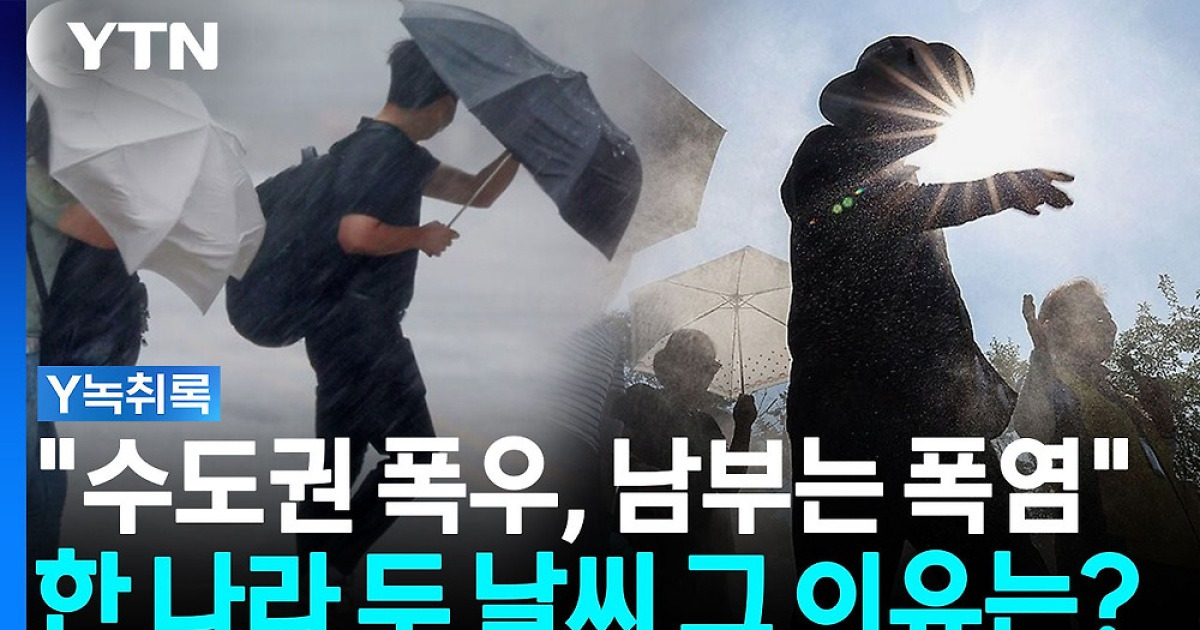
South Korea is cleaved by a sharp meteorological divide. Torrential downpours are inundating the capital region, while the country’s southern provinces grapple with persistent drought conditions.
The Korea Meteorological Administration (KMA) reports that these stark regional weather disparities have raised critical questions among researchers regarding changing climate patterns and atmospheric instability across the Korean Peninsula. Weather analysts point to contrasting high and low-pressure systems colliding over the peninsula as the primary driver behind this erratic seasonal distribution. Understanding these extreme regional variations requires examining how shifting jet streams and moisture channels interact with local topography, highlighting the growing unpredictability of seasonal transitions in East Asia that affects everything from urban flood management to agricultural planning in rural provinces.
Sudden Flooding Risks in the Capital
In the Seoul metropolitan area, concentrated bands of precipitation brought sudden flooding risks to low-lying urban sectors. Municipal disaster response records show urban drainage systems faced severe tests as hourly rainfall totals spiked unexpectedly.
Meteorologists explain that narrow, highly active rain clouds frequently stall when they meet stagnant warm air masses lingering over central regions. City officials activated emergency monitoring protocols across major rivers and stream banks to prevent structural damage and safeguard commuters. Transport authorities temporarily restricted access to several riverside roads and underpasses as water levels rose rapidly during peak commuting hours. Public safety agencies continue to issue real-time alerts through mobile networks, urging residents to monitor local forecasts closely.
Crop Yields Threatened in Southern Hubs
In sharp contrast to conditions in the north, southern agricultural hubs such as Jeolla and Gyeongsang provinces report inadequate rainfall totals that threaten upcoming crop yields.
According to the Ministry of Agriculture, Food and Rural Affairs, regional reservoir storage rates have declined steadily over the past several weeks, prompting preemptive irrigation support for farming communities. Local agricultural cooperatives are coordinating water-tanker distributions and encouraging farmers to adopt efficient water-saving techniques. Without substantial rainfall relief, regional authorities warn that dry topsoils could impact garlic, onion, and early rice planting schedules. Environmental scientists note that prolonged dry spells in the south often correlate with persistent high-pressure atmospheric ridges that deflect rain-bearing fronts away from the region.
Straining Urban Planners and Regional Planners
The polarized weather pattern underscores the urgent need for flexible disaster management strategies across different administrative districts.
Urban planners in the capital are reevaluating stormwater retention capacities, while southern municipalities invest in pipeline interconnections to transfer water resources from unaffected areas during dry spells. Government disaster mitigation committees emphasize that cross-regional coordination is essential as climate variability increases the frequency of localized extreme weather events. Citizens seeking official updates can access real-time advisories through the Ministry of the Interior and Safety portal or local municipal disaster operation centers.
Monitoring Upcoming Atmospheric Shifts
Next steps depend on upcoming atmospheric shifts tracked by meteorological observation networks.
Officials will issue updated seasonal outlooks as the transition toward the next climate phase approaches. Readers are encouraged to share their local weather observations or join the conversation in the comments section below.