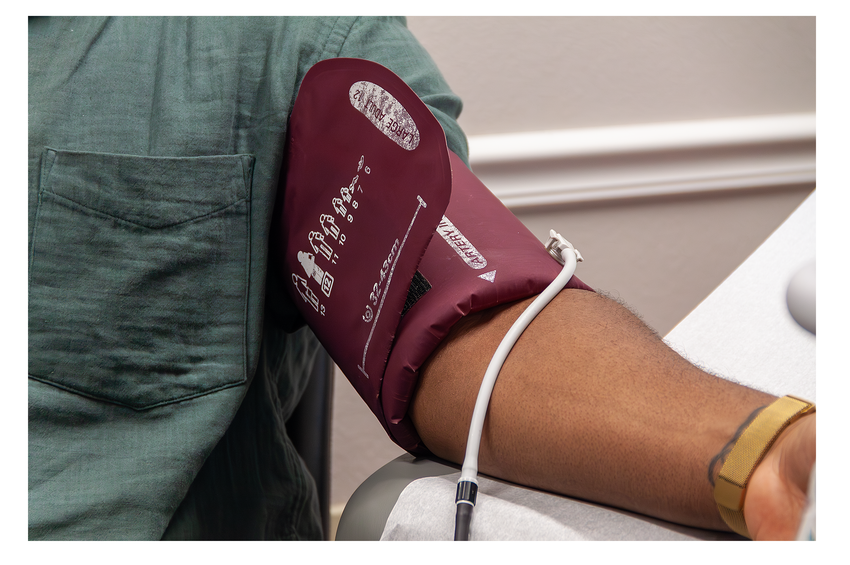
Nearly 23 million U.S. adults with high blood pressure may become newly eligible for medication under updated guidelines, according to independent research published July 29, 2026. Meanwhile, separate studies indicate that lifestyle factors like eating legumes and treatments such as GLP-1 receptor drugs also offer blood pressure benefits.
Millions Face New Medication Eligibility Under AHA/ACC Guidance
A study evaluating the 2025 American Heart Association and American College of Cardiology guideline on high blood pressure reveals that roughly 23 million U.S. adults with blood pressure readings of 130/80 mm Hg or higher and no known cardiovascular disease may be newly eligible for medical therapy, according to research published in the Journal of the American Heart Association. The analysis examined data from 81 million U.S. adults diagnosed with high blood pressure.
Of those diagnosed, 22.8 million—or 28 percent—qualify for therapy under the updated thresholds. While 13.1 million of these adults were already receiving treatment, 9.7 million remained untreated.
The updated guidance instructs healthcare professionals to use the AHA’s PREVENT risk equations to evaluate 10-year cardiovascular disease risk for adults aged 30 to 79. Researchers estimate that extending medication to all untreated yet eligible individuals could prevent roughly 200,000 all-cause deaths and 162,000 cardiovascular deaths over the coming decade.
Plant Proteins Offer Low-Cost Protection Against Hypertension
Beyond pharmaceuticals and clinical guidelines, everyday dietary choices play a substantial role in regulating blood pressure. A separate analysis combining data from 12 observational studies across the United States, Europe, and Asia found that adults who consumed the highest amounts of legumes—including beans, lentils, chickpeas, peas, and soybeans—enjoyed a 16 percent lower risk of developing high blood pressure compared with those eating the least, as reported by Everyday Health.
Participants who ate the most soy foods experienced a 19 percent lower risk. The research notes that benefits for legumes leveled off at around 1 cup per day, which is roughly 170 grams per day.
Researchers attribute these protective effects to fiber, which can offer a boost to heart health.
GLP-1 Receptor Agonists Demonstrate Blood Pressure Benefits
Emerging clinical data add another dimension to cardiovascular management. A review of 32 phase 3 clinical trials encompassing nearly 44,000 adults with overweight or obesity demonstrated that GLP-1 receptor drugs help lower blood pressure through mechanisms that extend beyond weight loss alone, according to findings presented at the European Congress on Obesity.
While about 77 percent of the blood pressure reduction observed in the trials tied directly to weight loss, the medications also appeared to promote vasodilation, assist kidneys in clearing sodium, and reduce arterial stiffness.
Jordana Cohen, a volunteer expert at the American Heart Association and associate professor of medicine and epidemiology at the Perelman School of Medicine at the University of Pennsylvania, noted that across clinical trials, these medications typically lower systolic blood pressure by a modest but clinically meaningful amount, ~3-6 mmHg on average, alongside reductions in antihypertensive medication use
.
Experts caution that patients should not unilaterally halt traditional blood pressure medications while taking GLP-1 treatments, as ongoing research continues to clarify the drugs’ long-term cardiovascular applications.
- Relative Fat Mass Linked to Female Infertility in NHANES Study
- CAR T-Cell Therapy for Autoimmune Diseases: Safe Pregnancies and Healthy Babies
- Dapagliflozin 10mg Medication Access: Reference Price System (world-today-news.com)
- Greece’s Luxury Summer Getaways Under Pressure: Water Scarcity Hits Holiday Islands (archynewsy.com)