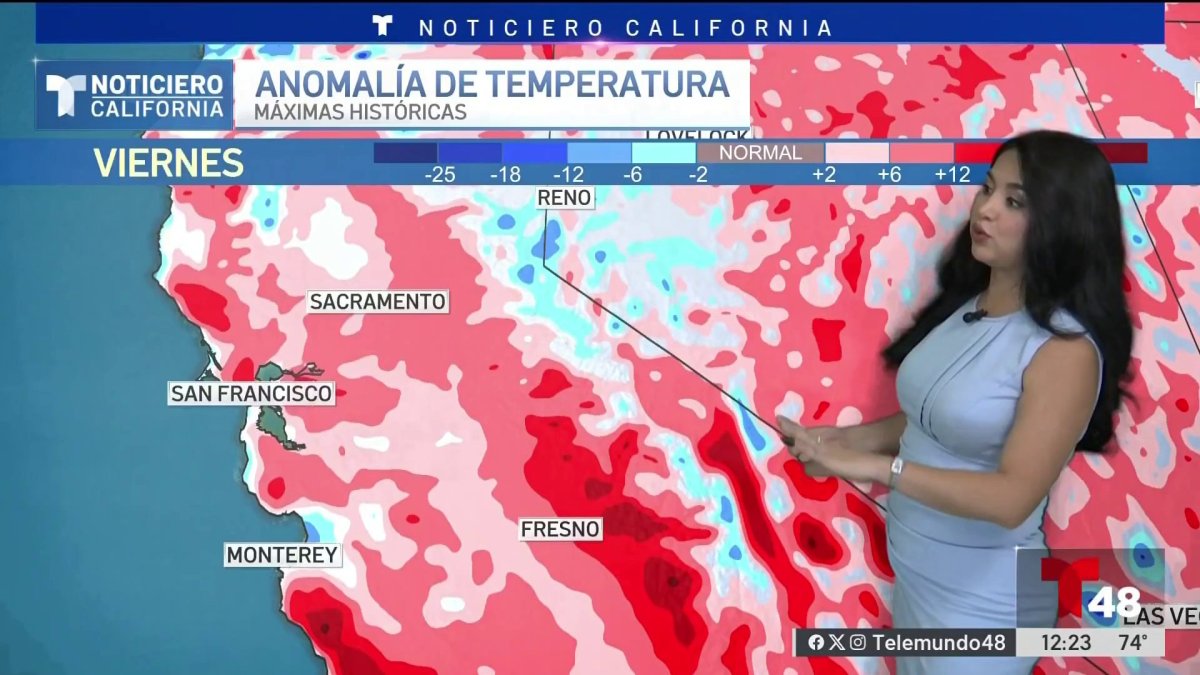
Northern California faces a severe weather hazard this week as dangerous heat and heightened wildfire risks prompt warnings across the region. According to the National Weather Service, elevated temperatures and dry conditions are creating high-risk situations for outdoor activities and brush fires, forcing emergency management officials to issue urgent advisories for residents and local communities.
The convergence of high temperatures and low humidity levels has created what meteorologists term an elevated fire weather threat. Emergency response agencies across Northern California are closely monitoring conditions as dry vegetation and afternoon winds compound the danger. Regional utility providers and local safety officials have stepped up public outreach campaigns to ensure communities stay informed about rapidly changing weather patterns.
For those tracking local forecasts and safety updates, broadcast meteorologists and weather specialists are providing ongoing coverage across television and digital platforms. Keeping track of these updates is vital for anyone living in or traveling through fire-prone areas throughout the region.
Understanding the Northern California Heat and Fire Risks
High-pressure systems stalling over the western United States are driving temperatures well above seasonal averages across interior valleys and foothills. According to regional meteorological reports, afternoon readings are pushing safety thresholds, increasing heat-related illness risks for vulnerable populations, agricultural workers, and outdoor enthusiasts.
Simultaneously, the prolonged dry spell has dessicated local brush and timber. Fire agencies note that any spark under these conditions can ignite rapidly and spread aggressively. Red flag warnings and heat advisories serve as critical reminders of the seasonal vulnerabilities facing Northern California counties during peak summer and early autumn heatwaves.
Practical Safety Measures and Official Resources
Local emergency management offices urge residents to adopt specific precautions while high temperatures and fire risks persist. Recommended measures include limiting strenuous outdoor activities during peak afternoon hours, staying hydrated, and checking on elderly neighbors or relatives without adequate cooling.
Residents are encouraged to monitor real-time updates through official channels, including local National Weather Service offices and county emergency services websites. Maintaining a defensible space around rural and suburban properties remains a primary defense against approaching wildfires.
Next Steps and Official Monitoring
Weather forecasters anticipate that temperature drops and humidity shifts will arrive later in the week, though exact timelines depend on coastal marine layer penetration. Officials continue to update advisories as conditions evolve. Residents should consult official county emergency portals and local weather broadcasts for the latest evacuation warnings, road closures, and heat safety updates.
Related reading