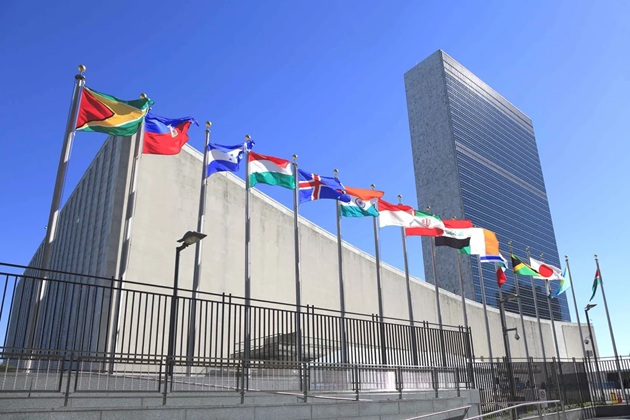
The United Nations faces a defining test of institutional leadership as global bodies debate structural reforms and gender parity at the highest levels of international governance. Decades after the founding of the international organization, diplomatic circles and member states are actively re-examining the pathways to the secretary-general’s office and the presidency of the General Assembly. According to historical records maintained by the United Nations, every individual elected to serve as Secretary-General since the organization’s inception has been a man, numbering nine leaders across eight decades.
This unbroken historical precedent has intensified discussions among diplomats regarding the future direction of multilateral diplomacy. Proponents of institutional reform argue that leadership representation within the world body must evolve to reflect contemporary global demographics, particularly by elevating candidates from the Global South. The debate highlights ongoing questions about how international institutions select their top officials and whether traditional nomination processes sufficiently address modern demands for inclusivity and transparency.
The historical context of leadership elections within the General Assembly provides a clear baseline for these ongoing discussions. On September 15, 1953, Vijaya Lakshmi Pandit of India was elected as the eighth president of the United Nations General Assembly, marking the first time a woman held the second-highest position within the UN system, as documented by the United Nations. In the decades following her tenure, only four additional women have been elected to the post, most recently the current president, Annalena Baerbock.
This sparse representation at the presidential level, combined with an all-male lineage for the office of the Secretary-General, forms the core of current advocacy efforts. Civil society organizations and various member state delegations point to these statistics as evidence that leadership pipelines require deliberate restructuring. As global challenges multiply—ranging from climate change to persistent regional conflicts—supporters of reform contend that diverse leadership is essential for maintaining the credibility and operational effectiveness of international forums.
Historical Representation and the Secretary-General Succession
The office of the Secretary-General operates under a selection process defined by the UN Charter, which requires appointment by the General Assembly upon the recommendation of the Security Council. Because the five permanent members of the Security Council hold veto power over the nomination, the selection of past leaders has often involved intense geopolitical maneuvering. Throughout the tenure of the nine men who have held the post, candidate shortlists have frequently faced criticism from developing nations for lacking geographic and gender diversity.
Discussions surrounding future appointments have increasingly focused on the principle of regional rotation. Under informal understandings within the organization, the position of Secretary-General is traditionally rotated among different regional groups of member states.
Advocates maintain that breaking the historical barrier for the top administrative post would signal a modernization of multilateralism. They argue that leaders from developing nations bring vital perspectives on economic inequality, sustainable development, and post-colonial governance. Critics of the current system point out that transparency in past selection rounds has often been lacking, with informal straw polls conducted behind closed doors shielding the decision-making process from public scrutiny.
Institutional Reform and the Path Forward
As the international community looks toward upcoming electoral cycles within the General Assembly and the Security Council, member states continue to evaluate proposals aimed at streamlining UN operations and enhancing accountability. These administrative discussions run parallel to political campaigns for upcoming leadership vacancies, where transparency pledges and candidate debates have become more prominent than in previous decades.
The debate over who should guide the world body reflects a broader ideological split among member states regarding the utility and reform of post-World War II international architecture. While major powers often prioritize stability and consensus among the security council membership, developing nations emphasize representation, equity, and human rights implementation. These competing priorities shape every diplomatic negotiation concerning administrative appointments and budgetary allocations within the Secretariat.
Observers note that while formal rules regarding the selection of the Secretary-General remain difficult to amend without consensus among permanent Security Council members, public pressure and member-state coalitions can exert significant influence over candidate viability. Upcoming sessions of the General Assembly are expected to feature continued dialogue on governance standards, procedural transparency, and the criteria used to evaluate candidates for senior UN posts.
Keep reading