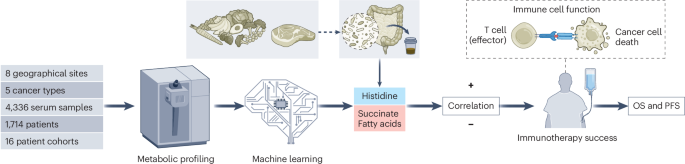
Recent scientific investigations into metabolic biomarkers have placed histidine under the microscope as researchers explore its relationship to cancer risk stratification and therapeutic optimization. Published in Nature Medicine, a recent study details how this specific amino acid functions as a readily measurable and potentially modifiable factor in oncology, while simultaneously outlining the considerable hurdles involved in turning such metabolic associations into reliable clinical tools.
For patients and clinicians navigating complex diagnostic pathways, understanding how amino acids like histidine interact with tumor biology offers a fresh perspective on disease monitoring. Although the findings point toward practical applications in personalizing cancer care, medical researchers emphasize that bridging the gap between observational data and targeted interventions requires rigorous clinical validation.
As healthcare systems increasingly adopt precision medicine frameworks, identifying accessible biomarkers remains a primary goal for oncologists and metabolic researchers alike. The latest data underscores both the promise of amino acid profiling and the necessity of caution before applying these insights in standard clinical settings.
The Biochemical Role of Histidine in Oncology
In the context of oncology, researchers are tracking how systemic levels of histidine correlate with tumor progression and patient outcomes. Metabolic profiling allows clinical laboratories to detect variations in amino acid concentrations through standard blood panels, providing an accessible window into a patient’s metabolic health status.
Changes in systemic amino acid availability often reflect underlying shifts in energy consumption and waste management by rapidly dividing cells. By examining these metabolic signatures, scientists aim to identify distinct patterns that differentiate healthy tissue states from early-stage malignant transformations.
Biomarker Potential for Risk Stratification
Risk stratification in oncology relies heavily on identifying reliable indicators that can predict disease aggressiveness and recurrence. According to the research published in Nature Medicine, measuring baseline histidine levels may help clinicians categorize patients based on metabolic risk profiles, allowing for more tailored surveillance strategies.
Traditional diagnostic tools often capture structural changes within tissues after a tumor has already formed. In contrast, metabolic biomarkers capture functional shifts occurring at the molecular level, potentially offering an earlier signal of metabolic distress or altered systemic demand.
Integrating metabolic markers with conventional imaging and genetic testing creates a multi-layered approach to patient evaluation. This strategy aims to reduce uncertainty in early diagnoses and help medical teams allocate diagnostic resources more efficiently.
Challenges in Translating Metabolic Associations to Interventions
Despite the analytical clarity of measuring amino acid concentrations in laboratory settings, translating these observations into actionable therapies presents significant hurdles. Correlation does not automatically equate to causation, and elevated or depressed histidine levels may reflect secondary effects of systemic inflammation rather than a direct driver of tumorigenesis.
Interventional trials involving targeted dietary modification or supplementation must account for complex systemic feedback loops. Altering the concentration of a single amino acid can trigger unintended compensatory mechanisms within the broader metabolic network, potentially affecting immune function or tumor microenvironments in unpredictable ways.
Next Steps in Metabolic Cancer Research
The ongoing exploration of histidine and other metabolic biomarkers marks an evolving chapter in cancer research. Investigators are currently designing prospective cohort studies to validate these findings across larger and more diverse patient populations, ensuring that observed biomarker associations hold true across different demographics and cancer subtypes.
Researchers encourage clinicians, patients, and researchers to monitor peer-reviewed updates and upcoming clinical trial registries for verified developments in metabolic oncology. We invite our readers to share their thoughts and perspectives on these emerging research directions in the comments section below.