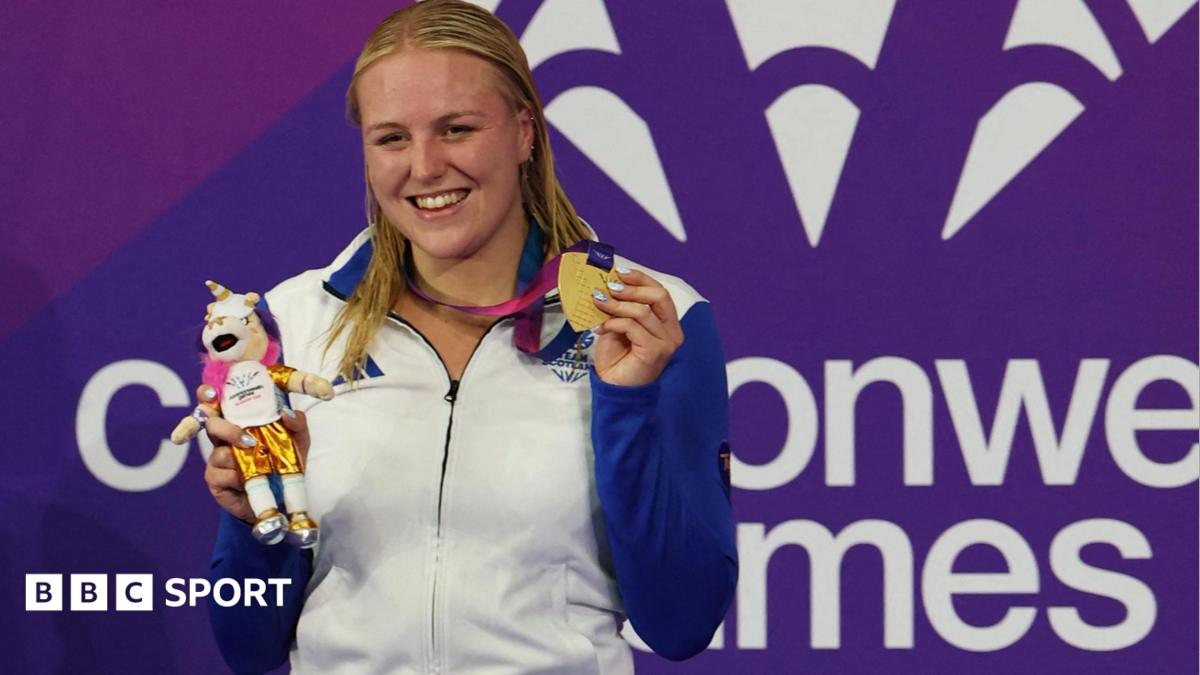
British Para-swimming star Faye Rogers has made significant waves by returning to compete in non-disabled races, demonstrating exceptional speed and resilience following a life-altering accident. According to British Swimming records and competitive profiles, the international gold-medallist has continually pushed the boundaries of aquatic sports, showcasing how elite athletes bridge the gap between classification-based competition and open-field racing.
Rogers transitioned into the world of Para-swimming after sustaining an arm injury that altered her athletic trajectory. Rather than halting her competitive career, the rehabilitation and adaptation process helped forge a new path in the water. Today, she is swimming faster than she did prior to her accident, proving that elite training, mental fortitude, and biomechanical adaptation can yield remarkable breakthroughs in competitive swimming.
The decision to test her speed against able-bodied competitors highlights a growing trend among elite multi-class athletes who utilize open competitions to sharpen their tactical skills, race under different pressures, and push physiological limits. Sports scientists note that competing outside strict classification brackets often provides athletes with unique pacing challenges and drafting dynamics that benefit them when they return to major international Para-swimming championships.
The Path to International Excellence in Para-Swimming
Faye Rogers emerged as a formidable force on the international stage by combining rigorous training discipline with elite technical coaching. Classification in Para-swimming evaluates athletes based on how their impairment impacts core functional activities in the water, ranging from S1 to S14 categories. For athletes like Rogers, mastering stroke efficiency under specific physical constraints requires meticulous attention to body roll, catch mechanics, and turn execution.
Her journey underscores the complex intersection of sports medicine, coaching adaptation, and psychological recovery. When athletes face severe trauma or sudden physical changes, returning to high-intensity sport demands structural adjustments in training regimens. Coaches working with multi-class competitors frequently emphasize customized strength conditioning to protect vulnerable joints while maximizing propulsive power.
According to governing bodies like British Para-Swimming, domestic events that allow multi-class swimmers to race alongside non-disabled peers serve a vital developmental role. These meets offer essential racing exposure, helping athletes maintain peak competitive readiness outside of quadrennial Paralympic cycles and World Para Swimming Championships.
Competitive Dynamics of Integrated Racing
Racing in non-disabled fields presents distinct tactical challenges for swimmers accustomed to IPC (International Paralympic Committee) rules and start protocols. Without classification-specific allowances, athletes must adapt to standardized start procedures, race strategies, and competitors who may possess different physiological advantages or stroke profiles.
Sports analysts observe that integrated racing formats benefit the broader aquatics ecosystem by increasing visibility for disability sport and normalizing elite multi-class athletes within mainstream competition calendars. As national federations continue to refine inclusive pathways, athletes frequently report that open-water and open-pool racing sharpens their tactical awareness.
For Rogers, every heat and final serves as an empirical test of speed development. Modern swim analytics—including stroke rate monitors, underwater cameras, and lactate testing—allow coaching staffs to evaluate whether a Para-swimming competitor matches or exceeds splits recorded by able-bodied peers in specific distance segments.
Looking Ahead: Upcoming Calendar and Major Meets
As the international aquatics calendar progresses, athletes preparing for upcoming World Series stops and continental championships utilize domestic mixed-classification racing to fine-tune their taper and peak performance windows. Governing bodies publish updated rankings and classification masterlists through official portals, allowing fans and analysts to track qualification standards for upcoming global fixtures.
For further updates on classification panels, national team selections, and upcoming domestic swim meets, enthusiasts can consult official resources provided by British Swimming and World Aquatics. Join the conversation below by sharing your thoughts on the growth of integrated racing and the inspiring journey of elite multi-class competitors.