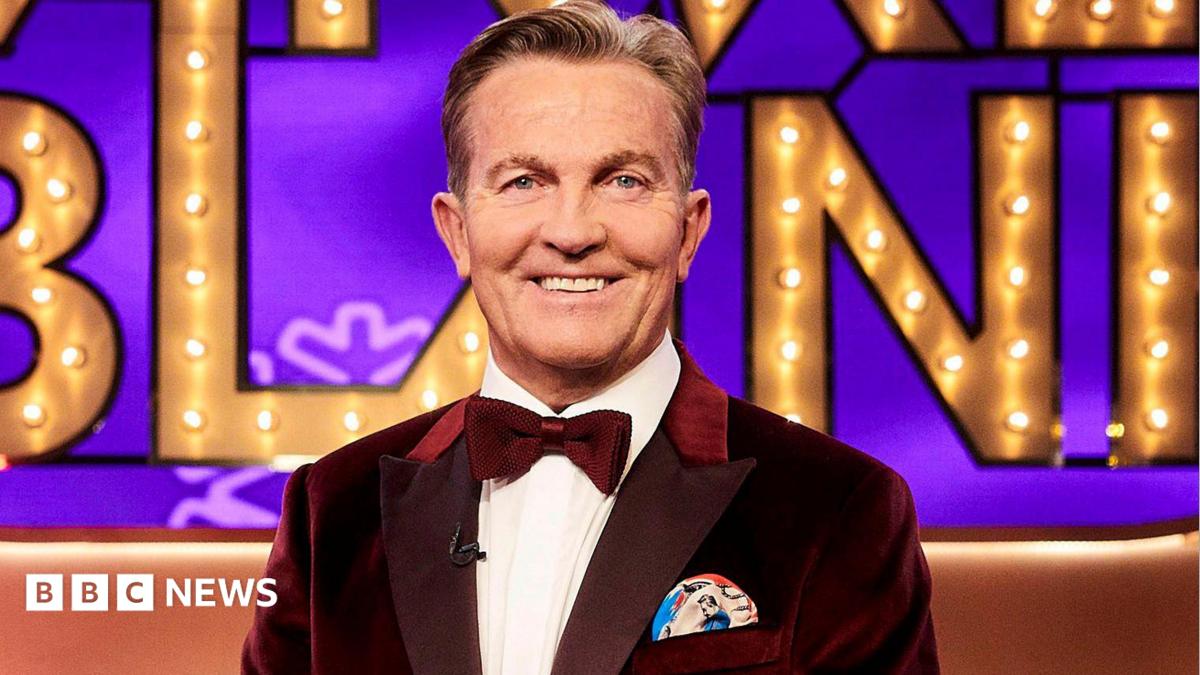
The British Broadcasting Corporation has cancelled three of its long-running entertainment programs—Blankety Blank, Celebrity Mastermind, and Live at the Apollo—as part of a broader push to achieve significant financial savings across its broadcasting operations. According to public statements released by the broadcaster, network executives expressed that they were “incredibly proud” of all three shows, but maintained that ongoing budgetary pressures necessitated their removal from future schedules.
The decision marks a major shift in the BBC’s weekend and evening entertainment lineups, affecting multiple production houses, hosts, and performers who relied on the recurring slots. While network representatives emphasized the strong cultural footprint of the affected formats, fiscal realities have forced a contraction in non-scripted commissions. Industry observers note that the cuts reflect intensifying competition for audiences alongside escalating production costs across the television sector.
For decades, the targeted programs occupied high-visibility slots on the BBC network, drawing millions of viewers through a mix of light entertainment, intellectual trivia, and stand-up comedy showcases. The termination of these established titles leaves open questions regarding how the corporation plans to fill its weekend and late-night slots without alienating traditional audiences.
Financial Pressures and Program Cuts at the BBC
The cancellation of Blankety Blank, Celebrity Mastermind, and Live at the Apollo stems from a rigorous internal review aimed at curbing operational expenditures. According to corporate disclosures, the BBC faces a combination of a frozen license fee, high inflation, and shifting consumer habits that have eroded traditional revenue streams. Executives tasked with balancing the broadcaster’s portfolio determined that legacy entertainment formats required pruning to protect core news and drama investments.
Each of the three axed series carried distinct operational models and production expenses. Blankety Blank, a staple of light entertainment featuring comedic panel interactions, relied on studio staging and guest bookers. Celebrity Mastermind required specialized set design and prominent figures willing to test their specialist knowledge under the iconic black chair. Meanwhile, Live at the Apollo depended on securing high-profile touring comedians and capturing large-scale theater performances in front of live audiences.
While network statements highlighted the pride management felt toward the creative output of these franchises, sentimentality could not override the balance sheet. Independent television producers note that mid-budget entertainment commissions have become increasingly vulnerable as broadcasters concentrate resources on high-concept drama and digital-first content designed to capture younger demographics on BBC iPlayer.
Format Histories and Cultural Impact
The departure of these programs removes prominent vehicles for British comedic talent and light entertainment from the airwaves. Blankety Blank, originally a format dating back to the late 1970s, enjoyed a successful modern revival that engaged multi-generational households with its lighthearted word-matching gameplay. Its removal leaves a notable gap in Saturday evening family viewing.
Similarly, Celebrity Mastermind served as a holiday and weekend fixture where well-known personalities subjected themselves to rigorous questioning on specialized topics, often combining humor with genuine tension. Live at the Apollo functioned for years as a vital broadcast platform for both established stand-up acts and emerging comedians, offering mainstream exposure that frequently propelled performers onto nationwide tours.
Industry unions and talent agencies have expressed concern over the loss of regular broadcast opportunities for behind-the-scenes crew members, writers, and performers. The shrinking volume of network commissions reduces the overall employment pool within the UK’s independent production sector, heightening anxiety among freelance television workers.
Next Steps and Future Schedule Adjustments
The BBC has not yet announced specific replacement programming for the vacated broadcast slots, though network controllers are expected to outline upcoming seasonal schedules in the coming months. Production on existing contracted episodes will wind down according to pre-determined delivery timelines, with final transmissions broadcast as remaining inventories clear.
Viewers seeking updates on future program schedules or looking to catch remaining episodes can monitor official announcements directly through the BBC Media Centre. As the corporation continues to implement its financial savings strategy, further announcements regarding genre restructuring and commissioning policies are anticipated later this year.