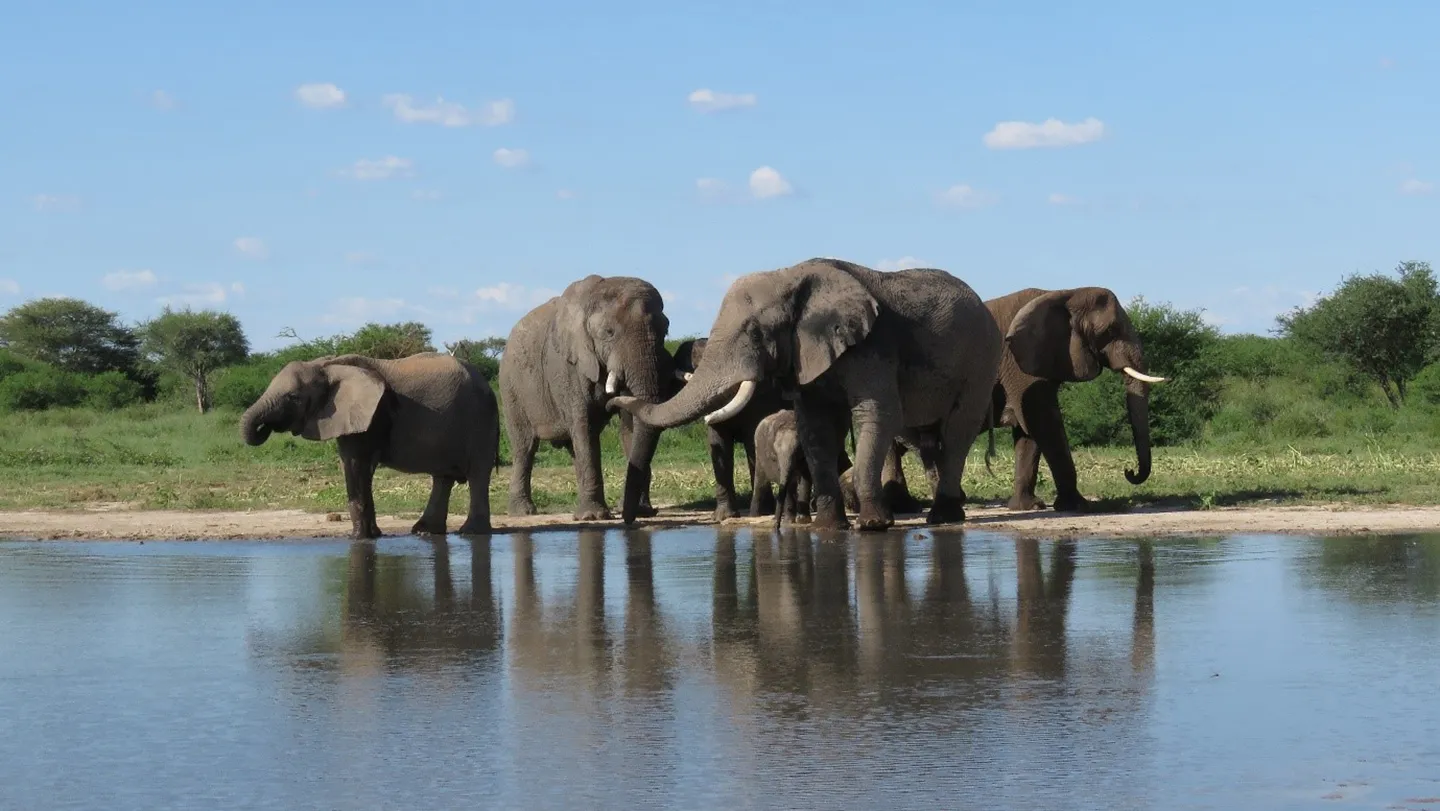
Rehabilitated elephants released back into the wild display complex behavioral repertoires nearly indistinguishable from their native counterparts, according to a peer-reviewed study examining the long-term outcomes of captive-to-wild transitions. The research, published in scientific literature by conservation biologists tracking reintroduced pachyderms, sheds new light on the remarkable neurological and behavioral adaptability of these large mammals after years spent in sanctuaries or human-managed environments.
For decades, wildlife managers and animal welfare advocates debated whether elephants that matured under human care could ever successfully reintegrate into wild herds or navigate natural landscapes independently. By analyzing the post-release movements, social interactions, and foraging patterns of 11 rehabilitated elephants, researchers found that these animals rapidly adopt natural survival strategies. The findings offer crucial data for global conservation organizations managing displaced or orphaned wildlife populations.
As senior medical and science journalists covering global health and ecological research, we examine how these findings impact conservation frameworks and animal welfare protocols worldwide. Understanding how rehabilitated wildlife recovers behavioral autonomy provides critical insights into mammalian resilience and the efficacy of modern reintroduction programs.
Tracking Behavioral Recovery in Reintroduced Elephants
Evaluating the success of wildlife rehabilitation requires looking far beyond basic survival metrics. Scientists monitoring the 11 rehabilitated elephants focused on specific social and ecological markers, including territory establishment, hierarchy integration, and seasonal foraging habits. According to observational data documented during the multi-year study, the rehabilitated subjects successfully synchronized their daily movements with environmental shifts, mirroring wild herds.
The transition from captivity to a completely unmanaged ecosystem poses severe psychological and physiological challenges. Captive environments typically restrict movement and structure feeding schedules, removing the necessity for complex spatial memory and cooperative foraging. Yet, the monitored elephants demonstrated an intuitive return to ancestral movement corridors. Researchers noted that within months of release, the subjects formed stable social bonds with wild populations, sharing resources and communicating through infrasonic vocalizations characteristic of undisturbed herds.
These behavioral similarities suggest that core survival knowledge in elephants may be deeply rooted rather than entirely learned through continuous exposure to a wild setting. While maternal guidance plays an undeniable role in juvenile development, adult and subadult elephants retain the biological capacity to switch back to wild instincts when given adequate space and social opportunities.
Implications for Global Conservation and Sanctuary Protocols
The success of these 11 rehabilitated elephants carries substantial weight for sanctuaries and rescue centers operating across Africa and Asia. Historically, many conservationists worried that long-term human contact would permanently habituate elephants, rendering them unsuitable for eventual release. This study challenges that assumption, suggesting that structured rehabilitation programs focused on minimizing human interaction can prepare animals for autonomous survival.
Wildlife authorities and sanctuary directors now face increased pressure to evaluate their long-term housing and release strategies. As human-wildlife conflict increases globally and more young elephants are orphaned due to poaching or habitat fragmentation, demand for effective rehabilitation pipelines continues to rise. Conservation groups utilize these empirical findings to design better protocols that prioritize eventual re-wilding over lifelong sanctuary confinement wherever ecological conditions permit.
At the same time, experts caution that reintroduction is not a universal solution. Successful integration depends heavily on protected release sites, low poaching pressure, and the presence of existing wild herds willing to accept newcomers. Without these foundational elements, even the most thoroughly rehabilitated elephant faces severe survival risks upon entering an unprotected landscape.
Next Steps in Behavioral Research and Re-wilding Initiatives
Conservation scientists plan to expand their tracking cohorts, incorporating larger sample sizes and advanced telemetry collars to monitor generational impacts among offspring born to rehabilitated mothers. These ongoing field studies aim to determine whether behavioral normalization persists fully across generations raised by reintegrated females.
Official updates regarding ongoing re-wilding projects and peer-reviewed ecological data are regularly published through academic repositories and international wildlife conservation registries. Readers interested in tracking the progress of global conservation initiatives can consult official advisories from organizations such as the International Union for Conservation of Nature (IUCN) for verified project updates.
What are your thoughts on modern wildlife rehabilitation and re-wilding strategies? We invite you to share your perspectives and join the discussion in the comments below.
Worth a look