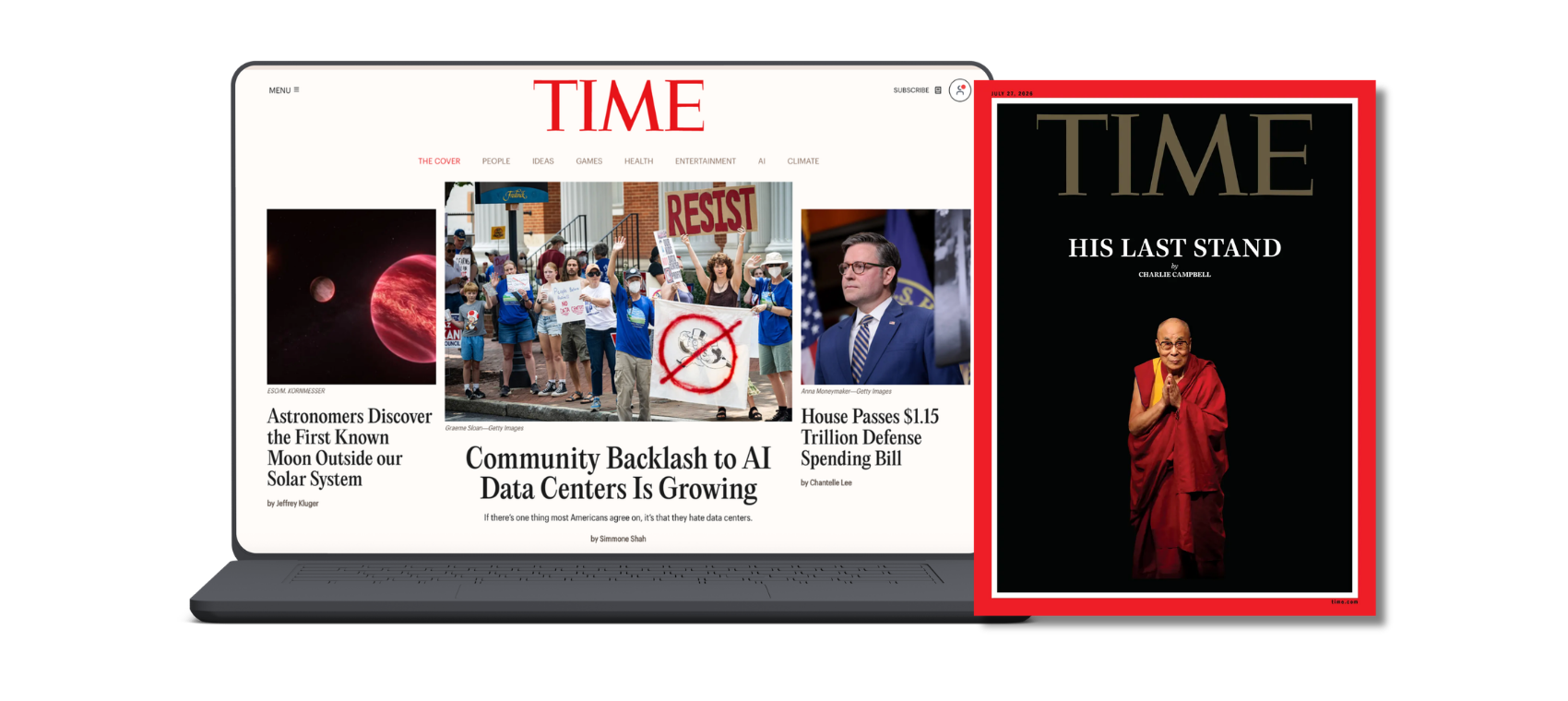
Time magazine is scaling its global partnerships and diversifying its revenue model under a comprehensive business transformation known as the Time 3.0 strategy, according to company executives. Spearheaded by Chief Executive Officer Jessica Sibley—who assumed the role in 2022—the 103-year-old legacy publication has evolved from a print-reliant organization into a diversified, B2B revenue-focused media company built on integrated partnerships and powered by a global, modern newsroom.
The strategic shift has yielded significant financial and audience milestones. In 2025, Time reported a 22% year-over-year increase in advertising revenue, marking its strongest result to date. Furthermore, revenue generated from events is on course to represent 50% of the brand’s total revenue by 2026, representing a 28% increase from 2023 figures. Audience metrics released late last year indicate that the brand’s global readership exceeds 100 million people, featuring the youngest demographic profile in the magazine’s history with nearly half of its audience under the age of 35.
Bridget Wilson, Senior Vice President at Time, returned to the company after a brief departure, noting that the ongoing reorganization touches every corner of the enterprise. “Jess Sibley has led Time through a company-wide transformation with the Time 3.0 strategy, which refers to our focus on driving B2B revenue through an integrated sales and marketing approach and the expansion of our tentpoles,” Wilson stated regarding the organizational changes.
Expansion of Editorial Tentpoles and Global Events
Central to the Time 3.0 business model is the dramatic growth of the publication’s editorial tentpoles and live events portfolio. Editorial focal points expanded from eight categories in 2022 to 18 last year, with projections to reach 24 categories this year. These additions include dedicated coverage areas such as longevity, philanthropy, sports, and creators. Notably, the brand launched its inaugural Time100 Sports list, featuring a cover with LeBron James.
The events sector has simultaneously transformed into a powerful convening platform for the organization. According to company data, Time hosted 37 events globally in 2025—up from 11 events in 2022—with plans to reach 40 events this year. These gatherings have drawn more than 30,000 total attendees across international cities including New York, Los Angeles, Cannes, Dubai, and Rio.
Company leadership emphasizes that these gatherings function as the leading entry point for new brand partners. In 2025 alone, 33 new brands established relationships with Time through event partnerships, with 91% of those partners subsequently investing across other Time platforms.
Technological Integration and Artificial Intelligence Strategy
Alongside physical events and print-to-digital expansion, Time has actively integrated artificial intelligence into its product offerings. Following more than a dozen technology partnerships initiated since 2022—including collaborations with OpenAI, Perplexity, Amazon Alexa, Mobian, ProRata AI, and Tollbit—the company launched the Time AI Agent in partnership with Scale AI in 2025.
The tool provides readers with personalised access to the publication’s century-old reporting archives. By vectorising the magazine’s 103-year history, the AI agent allows users to search headlines and historical journalism through an interface grounded exclusively in Time’s archive.
In addition to AI-driven discovery tools, the company expanded its digital footprint through targeted youth and family initiatives. Time for Kids, a 30-year-old educational platform reaching kids and educators in classrooms across the country, continues to promote media literacy and age-appropriate journalism through programs such as Kid of the Year, Girls of the Year, and Service Stars.
International Growth and Local-Language Editions
To broaden its geographic reach, Time has accelerated its international expansion through localized language editions developed alongside trusted partners worldwide. Following the launch of Time France and Time Africa last year, the company recently announced the establishment of Time Canada and Time Korea. Additionally, the brand is scheduled to introduce Time100 Next India later this year, highlighting 100 emerging Indian leaders across sectors within the region.
Commercial partnerships have likewise expanded internationally, with 33 new brand partners added in 2025, including multinational corporations such as IBM, Chase, Reliance based in India, and The Allstate Foundation. These collaborations span events, digital, LinkedIn integration, branded content such as the Executive Spotlight series produced by Time Studios, and live-streamed red-carpet events.
As the media organization continues to navigate an evolving digital landscape marked by AI-generated content and misinformation, executives maintain that the publication’s century-old commitment to original reporting remains its greatest competitive advantage in engaging global audiences.
Worth a look