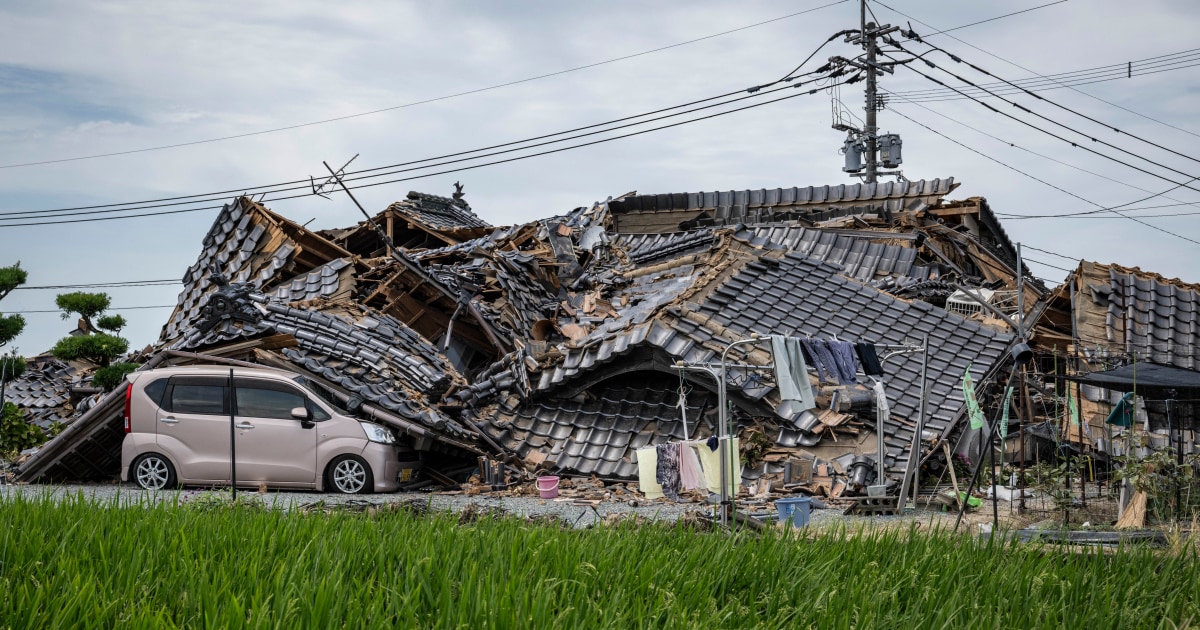
Rural communities in southwestern Japan are struggling to recover Thursday, two days after a magnitude 7.1 earthquake struck the Kumamoto area on the southern main island of Kyushu on Tuesday, July 28, 2026. Officials have confirmed at least 23 deaths, though Chief Cabinet Secretary Minoru Kihara reported a higher police tally of 28, noting that some cases under investigation may later be found unrelated to the quake.
Death Toll Rises Following Magnitude 7.1 Earthquake in Kumamoto
The Kumamoto prefectural government reported that at least 63 people were injured, five of whom are in serious condition. Rescuers continue to search for survivors, although the total number of missing persons remains unclear.
Major Casualties at Aeon Mall and Nippon Paper Factory
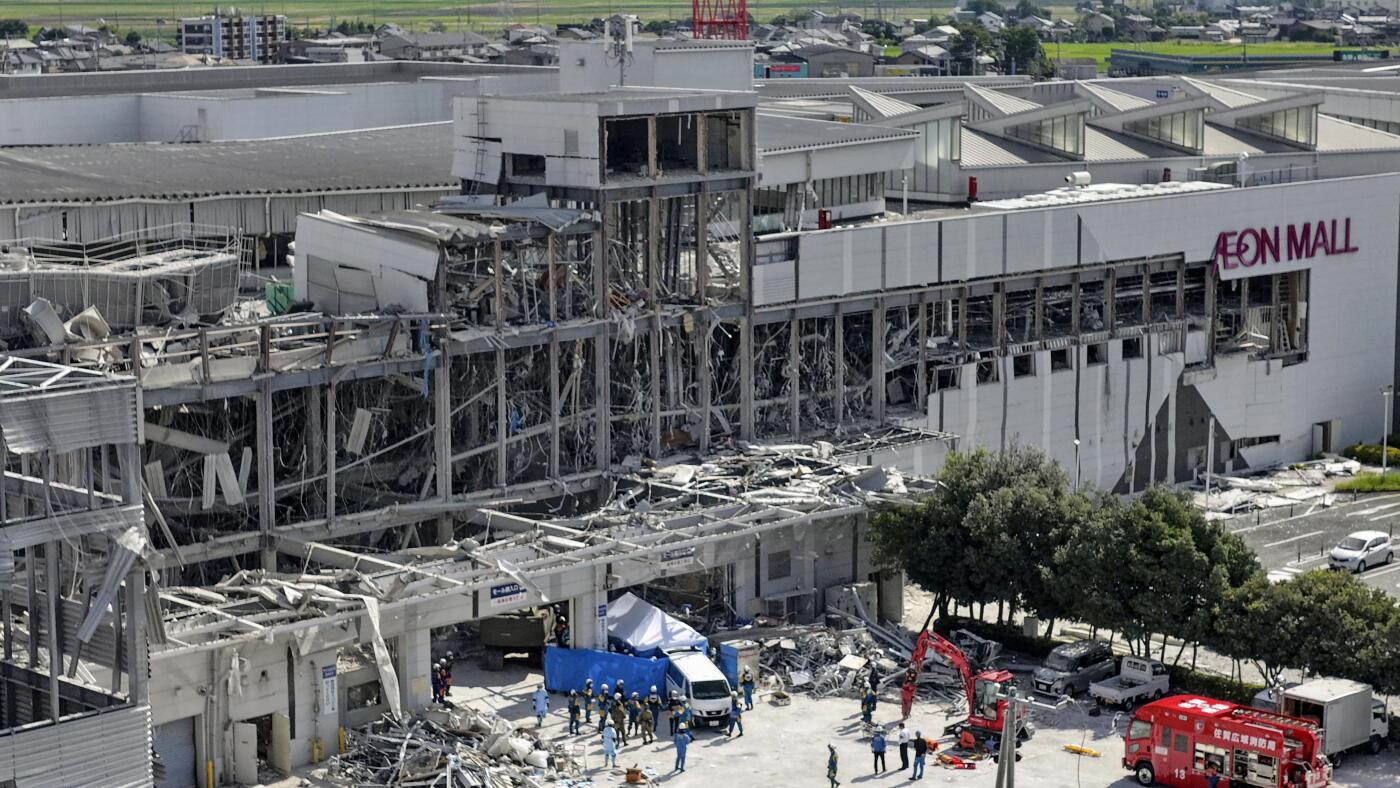
The most severe destruction occurred at the Aeon Mall shopping center in the town of Kashima. The mall was crowded with thousands of people when the quake hit in the late afternoon, causing the second floor to collapse and trapping individuals inside. While the company stated approximately 3,000 customers were evacuated to a parking lot, an explosion occurred in another part of the mall where employees were still working. Kumamoto authorities confirmed that six of the 11 people pulled from the wreckage died.
Additional fatalities occurred in the Yatsushiro area after a chimney collapsed at a Nippon Paper Industries factory. According to the Kumamoto prefectural government disaster team, eight people died at the site, 10 were rescued, and one person remains missing.
Displacement and Infrastructure Failures
The disaster has left thousands of residents displaced and without basic utilities. More than 10,000 people are currently staying in roughly 400 shelters, including gymnasiums and other large spaces. Nearly 23,000 homes remain without electricity, and many residents are without running water.
The fragility of older-style Japanese housing contributed to the damage, as these structures are more susceptible to collapse than those built under Japan’s strict modern building codes. In Uki, residents have been seen beside damaged homes, and some, such as resident Akiko Inazaki, have been forced to live in tents in their yards.
Heat Stroke Risks and Resource Shortages
Emergency officials are increasingly concerned about illness caused by sweltering weather. The Ministry of Environment issued a heat stroke alert for the Kumamoto area, with temperatures expected to reach 33 C (91 F) on Thursday. To combat the heat, power sources are being added to shelters to provide air conditioning, and some residents have moved to three public schools where air conditioning is available.
Resources are also becoming strained. Yuzuru Tamura, a town official, stated that emergency food supplies, including instant rice and canned bread, are beginning to run out. Residents have described fresh water as “so valuable” as they ration limited supplies.
Transport and Regional Impact
The earthquake caused significant disruptions to regional travel. Bullet train services remained suspended following the event. While Aso Kumamoto airport resumed operations on Wednesday, some airlines canceled flights as a precautionary measure.
This event follows a history of seismic activity in the region; Kumamoto was previously hit by a deadly earthquake in 2016 that killed at least 50 people. One girl at the scene told CBS News that while she had experienced a major earthquake 10 years ago, the recent event felt significantly stronger.