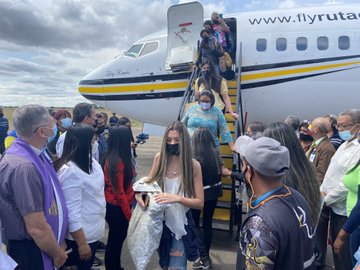
Rutaca Airlines has announced the suspension of its commercial route connecting Puerto Ordaz, Venezuela, with destinations in Brazil, marking a notable shift in regional connectivity. The decision affects travelers and trade between Bolivar State and northern Brazil, pausing regular flights that previously served to bridge the two neighboring regions.
Industry observers note that the suspension reflects ongoing operational adjustments among regional carriers operating within challenging economic and regulatory environments. For months, air links between Venezuela and Brazil have faced fluctuating demand, currency controls, and complex diplomatic dynamics that influence cross-border commercial aviation.
The route closure alters travel itineraries for business commuters, tourists, and families who relied on the direct connection to bypass lengthy overland journeys. Regional tourism boards and chambers of commerce in Puerto Ordaz are currently assessing the economic fallout of the flight cancellation on local hospitality and trade sectors.
Operational Challenges and Market Pressures
Airlines operating in Venezuela contend with high insurance costs, limited access to spare parts, and fuel pricing structures that complicate route profitability. Rutaca Airlines, like other domestic carriers, must continuously reevaluate network efficiency to maintain viable schedules amid shifting passenger volumes.
Economic analysts point out that international routes require steady passenger load factors and predictable operational costs to succeed over the long term. Fluctuations in currency exchange rates and the high cost of international ticketing further restrict demand among middle-income travelers looking to fly across the southern border.
Furthermore, regulatory requirements between Venezuelan and Brazilian aviation authorities demand strict compliance with international safety and licensing standards. Carriers must balance these rigorous mandates against narrow operating margins, often forcing difficult scheduling decisions when routes fail to meet revenue targets.
Impact on Regional Connectivity and Trade
The suspension of the Puerto Ordaz-Brazil route leaves a significant gap in cross-border infrastructure, isolating regional commercial hubs from key South American markets. Local exporters and business owners who utilize fast cargo and passenger services now face longer transit times via alternative hubs.
Travelers attempting to reach Brazil from Bolívar State must now consider connecting flights through Caracas or rely on extended bus trips that cross rugged terrain. These alternative routes add both financial cost and travel time, dampening cross-border tourism and business collaboration.
Community leaders and travel agencies in Puerto Ordaz have called on aviation authorities to encourage new carrier participation to restore the vital link. Maintaining open air corridors remains essential for regional integration, labor mobility, and bilateral commerce between Venezuela and its northern neighbors.
What Affected Passengers Should Do Next
Passengers holding active reservations or purchased tickets for the suspended Rutaca Airlines flights should immediately contact the airline’s customer service channels or authorized ticket agencies. Carriers typically offer rescheduling options, travel vouchers, or refunds in accordance with local consumer protection laws governing commercial aviation.
Travelers are advised to check official company announcements and monitor aviation news portals for updates regarding potential route reinstatements or schedule modifications. Documenting all communication with the airline ensures travelers secure appropriate compensation or alternative routing as commercial flight schedules continue to evolve.
Related reading