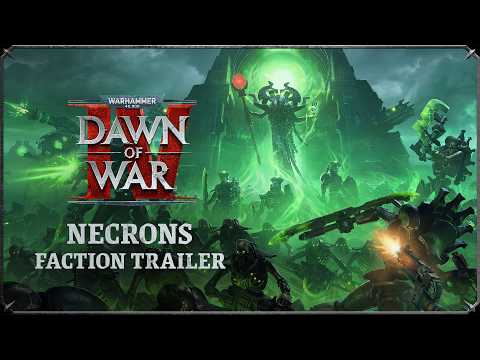
Warhammer 40,000: Dawn of War IV has captured the attention of strategy gaming enthusiasts with recent promotional showcases shining a spotlight on the ancient and relentless Necron faction. Developer and publisher updates reveal that the upcoming real-time strategy installment aims to capture the dark, gothic atmosphere of Games Workshop’s expansive universe while modernizing classic mechanics for contemporary hardware.
As part of the recent media blitz, digital showcases and gameplay previews have detailed how the metallic, awakening legions of the Necrons operate on the battlefield. According to gaming media coverage and developer disclosures, the faction relies heavily on high-durability units, unique resurrection mechanics, and devastating Gauss weaponry that strips away enemy armor layer by layer.
For longtime fans of the sci-fi franchise, the re-emergence of the Necrons in a premier real-time strategy format marks a significant milestone. The faction’s distinct aesthetic—featuring skeletal metal frames, glowing green energy, and monolithic structures—translates directly into the tactical framework of the game, offering players an alternative playstyle focused on slow, methodical advancement and overwhelming technological supremacy.
Exploring the Necron Roster and Gameplay Mechanics
The core identity of the Necrons in Warhammer 40,000: Dawn of War IV centers on resilience and attrition. Unlike human factions that rely on rapid reinforcement or chaotic forces driven by brute numbers, Necron armies feature units capable of self-repair on the battlefield. Preview footage highlights how downed infantry units possess a chance to phase back into combat via reanimation protocols, forcing opponents to completely eradicate squads to secure permanent victories.
Resource management for the faction diverges from traditional economic models found in the genre. Rather than harvesting standard points across the map at high velocities, Necron players establish sprawling dynasties with monoliths and energy conduits. This structural expansion reflects the lore of the faction, where tomb worlds awaken slowly before unleashing terrifying technological horrors upon the galaxy.
Visual Design and Atmospheric Fidelity
A key focus of the recent promotional material is the graphical fidelity brought to the grimdark setting. Modern rendering techniques allow for detailed lighting effects, where green Gauss weapon discharges illuminate rusted metal corridors and desolate planetary surfaces. Developers have emphasized environmental destruction, ensuring that battles leave lasting scars on the terrain as heavy war engines clash.
Audio design complements the visual overhaul. Clanking metal footsteps, high-pitched energy hums, and the eerie, mechanical chants of Crypteks establish an immersive soundscape. Industry analysts note that capturing this specific auditory tone is vital for maintaining the immersive qualities expected by the Warhammer community.
Community Response and Industry Expectations
Strategy game enthusiasts have responded enthusiastically to the deep dives into faction mechanics. Online forums and gaming communities have dissected the revealed units, discussing potential meta strategies and counter-play options against the Necron legions. The inclusion of distinct faction traits ensures that multiplayer matches will offer high tactical variety.
With expectations running high, players continue to monitor official channels for upcoming developer diaries, beta testing phases, and finalized launch windows. As the marketing campaign progresses, further reveals are anticipated regarding additional factions, single-player campaign structures, and skirmish modes.
Official updates and schedule announcements regarding Warhammer 40,000: Dawn of War IV are regularly posted through official publisher channels and community hubs. Fans looking to stay informed on future testing phases or release announcements can monitor developer blogs for primary source details.
Keep reading