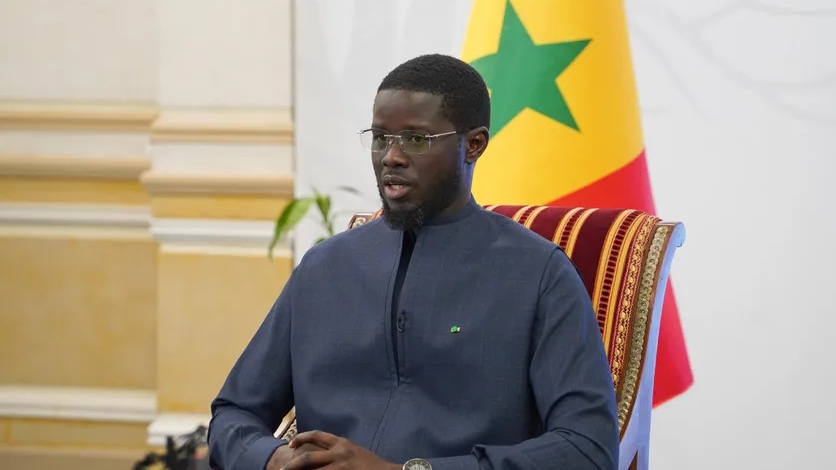
Senegal’s political landscape shifted with the official launch of a new political formation named Kiiraay-Les Patriotes républicains, sparking public debate and media coverage. The party’s emergence arrives during a period under President Bassirou Diomaye Faye, prompting discussion regarding coalition politics, state reform, and party loyalty among analysts and political commentators.
The birth of Kiiraay has ignited divisions regarding its intended role and political trajectory. While supporters view the movement as a vehicle for civic participation, critics and independent observers have raised questions about its membership and ideological alignment. According to reporting from outlets such as Jeune Afrique, the administration’s platform has intensified political maneuvers across the country, creating ground for new alliances and friction within traditional power structures.
As citizens and political actors digest the implications of this new entity, discussions center on how Kiiraay will position itself relative to the ruling coalition and opposition forces. Observers monitor official filings and foundational statements from the group’s organizers to determine its formal governance structure and electoral strategy.
Origins and Initial Public Reception of Kiiraay
The formation of Kiiraay-Les Patriotes républicains was formally announced to the public, drawing scrutiny from political analysts and media outlets examining shifts in the nation’s party system. Commentators have dissected the timing and nomenclature of the new group, noting that its arrival coincides with debates over governance, patriotism, and political reform under the administration led by President Bassirou Diomaye Faye.
Public discourse surrounding the launch has highlighted polarization. Coverage from regional platforms, including Le Quotidien, points to friction and ideological sparring among political actors as new factions vie for influence. Observers note that the emergence of alternative political vehicles often disrupts established alignments, forcing both ruling parties and opposition blocs to recalibrate their strategies.
Concerns Over Political Realignment and Party Switching
A point of contention in media analyses is the potential influx of politically mobile figures—referred to locally in political discourse as “transhumants”—into the newly formed party. Commentators, including journalist and columnist Seydina Seck during discussions highlighted by Seneweb, have voiced warnings that Kiiraay risks becoming a shield for “transhumants”.
These warnings tap into public skepticism regarding political opportunism in Senegal. Critics argue that the credibility of any new movement depends on its ability to screen out individuals seeking shelter from past political associations. Proponents of the party maintain that an inclusive approach is necessary to build a coalition capable of enacting structural changes demanded by the electorate.
Assessing the Broader Impact on Senegal’s Political Future
Analyses, such as those featured by the BBC, have questioned whether Kiiraay’s introduction signals a new phase in the country’s political history or a reconfiguration of existing elite networks. The debate underscores a tension in Senegalese democracy between the desire for generational renewal and the pragmatic realities of building a national party.
As the party works to establish local committees and articulate its core platform, attention turns toward the official registry and upcoming public assemblies. Citizens seeking updates on party registrations, electoral commission filings, and official government announcements can consult the official portal of the Government of Senegal or monitor bulletins issued by the Ministry of Interior regarding political association approvals.
Further developments, including formal policy declarations from Kiiraay’s leadership and responses from established political parties, are expected. Readers are encouraged to share their perspectives and join the ongoing discussion in the comments section below.
Keep reading