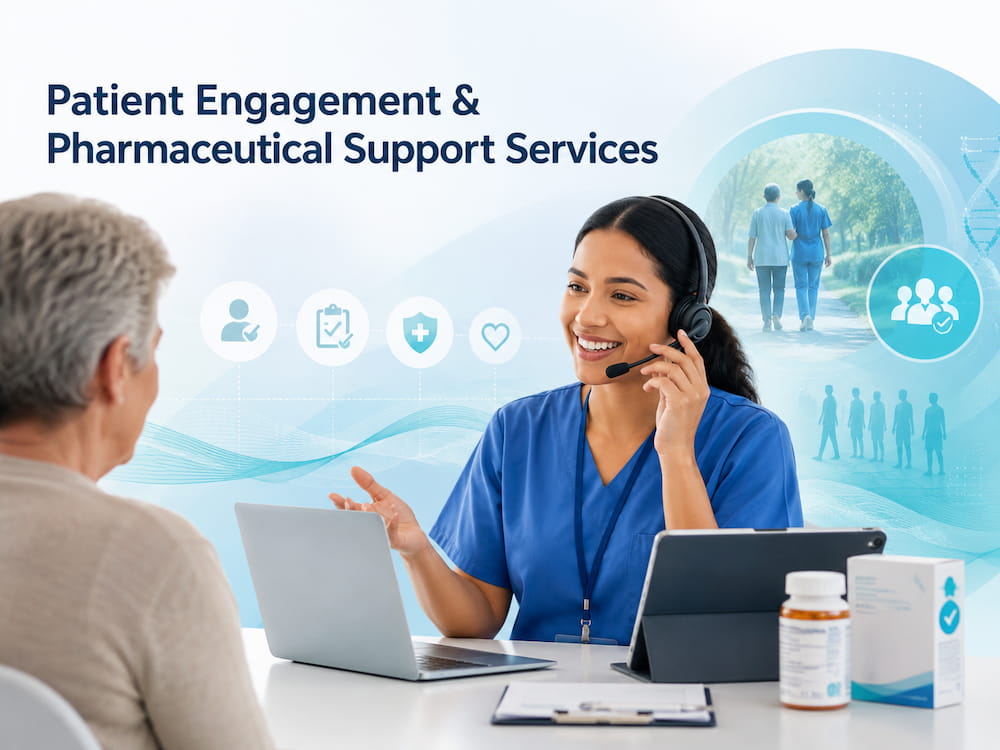
Patient engagement and pharmaceutical support services are increasingly recognized as vital components in modern healthcare, helping individuals navigate the complex, often non-linear journey from initial diagnosis through long-term treatment. According to industry analyses, patients frequently face a myriad of practical, emotional, clinical, and financial barriers—ranging from confusing eligibility protocols and complex insurance documentation to transportation hurdles and health literacy gaps. To bridge these operational divides, specialized healthcare infrastructure providers, such as Serva Health, deploy 24/7 nurse-staffed global support models. These structured initiatives combine experienced clinical professionals with purpose-built technology to streamline clinical trial recruitment, commercial patient support programs (PSPs), and pharma hub services, ultimately reducing administrative friction for patients, providers, payers, and manufacturers alike.
The imperative for effective patient engagement extends well beyond basic communications or routine call-center interactions. Modern healthcare frameworks emphasize that successful engagement addresses root causes of treatment abandonment. As outlined by the U.S. Food and Drug Administration, patient-focused drug development relies on systematic approaches to capture and incorporate patient experiences, needs, and priorities into evaluation processes. When pharmaceutical and biotechnology companies invest in comprehensive engagement models, they directly influence clinical development timelines, data quality, commercial performance, and long-term health outcomes. By ensuring that patients receive timely assistance with benefits verification, prior authorization support, and medication onboarding, programs help maintain continuity across the entire treatment lifecycle.
Clinical Trial Recruitment and Complex Referral Management
Clinical trial recruitment routinely encounters significant operational bottlenecks once initial interest is generated through digital advertising or physician outreach. Prospective participants frequently struggle to understand complex study protocols, strict eligibility criteria, testing schedules, or travel requirements. To mitigate these challenges, nurse-led recruitment initiatives provide structured guidance, conducting preliminary pre-screening conversations that review age, medical history, current medications, and geographic constraints without replacing an investigator’s official eligibility assessment.
Furthermore, complex referral management plays a critical role in rare-disease studies and specialized therapeutic trials where genetic testing, diagnostic coordination, and multi-step pre-referral activities are mandatory. Without active closed-loop coordination—such as scheduling lab tests, gathering medical records, and tracking patient progress through central platforms like the cloud-based ServaCore system—delays inevitably occur. Nurse navigators help bridge these gaps, ensuring that investigative sites receive verified, well-prepared candidates while minimizing participant drop-off during the pre-enrollment phase.
Commercial Patient Support Programs and Pharma Hub Services
Once a therapy achieves market approval, a new set of access barriers emerges for patients and prescribing clinicians. Commercial patient support programs and centralized pharma hubs act as essential coordination points among manufacturers, payers, specialty pharmacies, and healthcare providers. These hubs manage intricate reimbursement workflows, including benefits investigation, coverage verification, prior authorization coordination, appeals assistance, and financial assistance navigation.
Prior authorization remains a primary source of administrative friction in medication access. Patient support teams assist by identifying specific payer requirements, notifying prescribing clinicians, monitoring request statuses, and documenting outcomes within approved compliance boundaries. Concurrently, the Centers for Medicare & Medicaid Services (CMS) continues to champion electronic prior authorization standards to reduce administrative burdens and accelerate timely access to necessary therapies.
Nurse-Led Support and Program Governance
While digital tools and relationship management platforms optimize workflow routing, automated systems cannot replace human empathy and clinical judgment. Registered nurses bring critical communication skills to patient engagement centers, helping patients adapt to health literacy demands, recognize administration instructions, and prepare for discussions with their treating physicians. These nurse-navigated frameworks operate under strict regulatory boundaries, ensuring that clinical advice remains tethered to approved protocols while providing a consistent human connection.
Maintaining strict compliance and privacy oversight is paramount across all engagement activities. Programs must adhere rigorously to controls that support privacy, compliance, and appropriate program use. Staff are trained to promptly identify and escalate potential adverse events, product quality complaints, or urgent safety concerns. By designing programs around robust data protection, omnichannel preferences, and measurable performance indicators—such as treatment persistence—pharmaceutical sponsors can build transparent, sustainable support systems that genuinely serve the needs of patients.
Worth a look