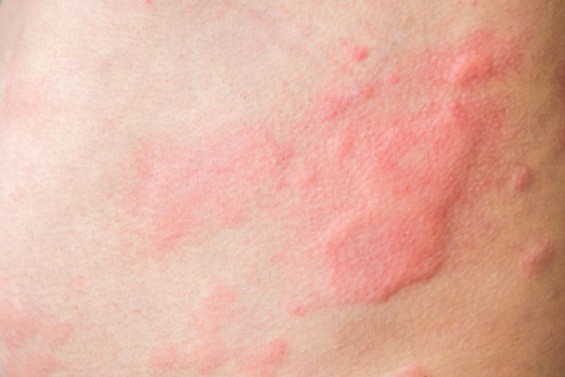
The 24-Hour Rule: Decoding Individual Wheals
Mast cells drive the sudden skin flare-ups and raised welts characteristic of hives, known medically as urticaria, even when the exact environmental trigger remains unknown. According to clinical guidance from medical specialists, most individual hive lesions—known clinically as wheals—disappear completely within 24 hours without leaving a permanent mark on the skin.
Understanding how mast cells degranulate and release inflammatory mediators like histamine helps patients manage chronic and acute episodes effectively. When these immune cells discharge their chemical cargo in the dermal layer, blood vessels dilate and leak fluid, creating the classic itchy, red elevations. While finding the root cause is standard practice in dermatology and allergology, modern therapeutic protocols allow physicians to suppress these symptoms successfully and achieve long-term remission even if diagnostic panels return no specific allergen.
Distinguishing Standard Hives from Urticarial Vasculitis
Medical experts emphasize that not all skin swellings follow a standard, short-lived course. When a hive or wheal lingers in the exact same spot for longer than 24 hours, or if the outbreak is accompanied by severe localized pain, deep bruising, or a burning sensation, physicians typically investigate alternative diagnoses such as urticarial vasculitis. Standard hives shift locations rapidly, with individual welts vanishing and new ones appearing elsewhere across the body within a single day.
Navigating Acute Outbreaks Versus Chronic Spontaneous Disease
Diagnostic evaluations often involve assessing whether the condition is acute—lasting less than six weeks—or chronic. Chronic spontaneous urticaria occurs without any identifiable external trigger, frustrating patients who search endlessly for food or environmental culprits. In these cases, dermatological guidelines recommend focusing on mast cell stabilization rather than strict avoidance diets, as random food restriction rarely resolves spontaneous disease activity.
Targeting Inflammatory Pathways with Antihistamines
When allergy tests and blood panels fail to uncover a root cause, treatment pivots toward blocking the inflammatory pathways driven by mast cells. Second-generation non-sedating antihistamines serve as the primary pharmacological defense, often prescribed at higher-than-standard doses under physician supervision to control persistent symptoms. Clinical protocols from organizations such as the European Academy of Allergology and Clinical Immunology outline stepwise escalation paths for patients who do not respond to initial antihistamine monotherapy.
Advanced Biologic Options for Refractory Cases
For individuals with severe, refractory forms of the condition, biologic therapies like omalizumab offer significant relief by neutralizing immunoglobulin E and dampening mast cell reactivity. Patients are advised to maintain open communication with their healthcare providers, track flare-up frequency using a symptom diary, and avoid unverified alternative therapies that lack clinical backing. To monitor official treatment updates and safety guidelines, patients can consult resources provided by the European Academy of Allergology and Clinical Immunology.
Worth a look
- Se confirmaron en Nueva York más casos del virus Bourbon: Cuales son sus síntomas y cómo prevenirlo – Infobae
- Orbetello Environmental Policies: Insights from Assessor Ivan Poccia
- Chronic Prostatitis: Causes, Symptoms, and Treatment Options (archynewsy.com)
- Real Estate, Insurance and Finance Content Expert (newsdirectory3.com)