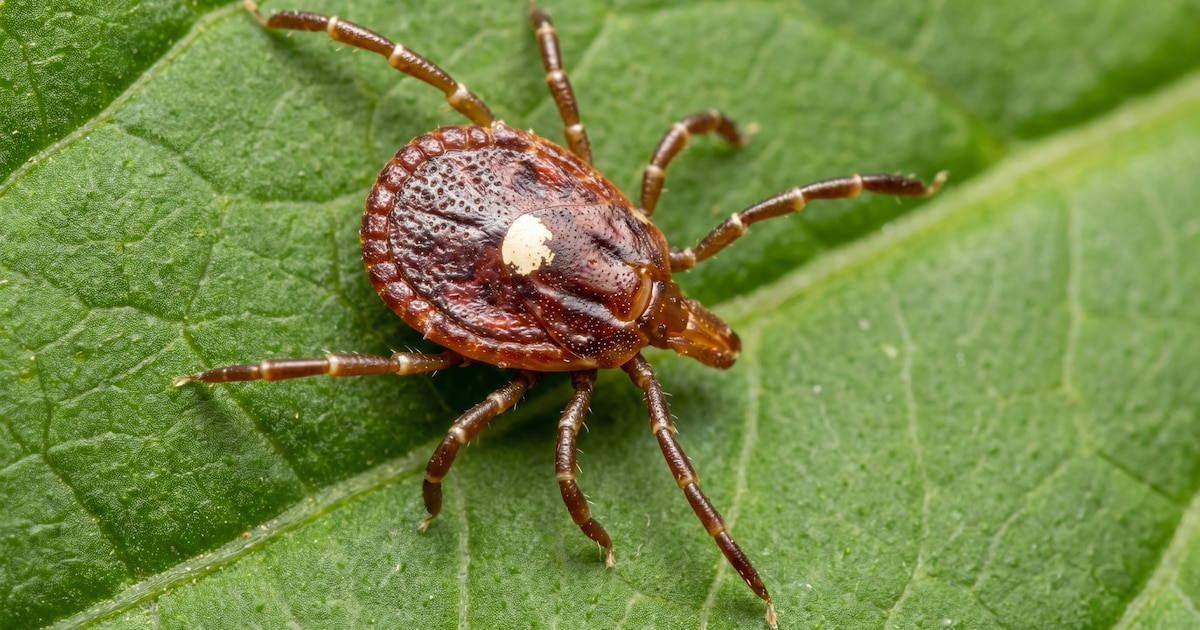
Public health officials have confirmed additional cases of the rare Bourbon virus in New York state, intensifying scrutiny over tick-borne illnesses that lack specific antiviral treatments or vaccines. The emergence of these cases has prompted local health departments and vector-borne disease experts to issue renewed warnings regarding tick bite prevention and early symptom recognition.
Originally identified in Bourbon County, Kansas, in 2014, the Bourbon virus belongs to the Thogotovirus genus. Because infections remain extremely uncommon, medical professionals are still working to understand the full clinical spectrum of the disease, its natural animal reservoirs, and the precise geographic distribution of the vector ticks.
Here is a detailed look at what health authorities know about Bourbon virus symptoms, transmission patterns, and the precautions residents should take in affected areas.
Understanding Bourbon Virus Transmission and Spread
Bourbon virus is transmitted primarily through the bites of infected ticks. While the lone star tick (Amblyomma americanum) has been identified as a primary vector in the United States, researchers continue to study whether other tick species can also transmit the pathogen.
According to public health data, human infections typically occur during the warmer months when outdoor activity increases and ticks are most active. Unlike more common tick-borne conditions such as Lyme disease, Bourbon virus is a viral infection rather than a bacterial one, meaning standard antibiotic treatments are ineffective.
Medical researchers emphasize that there are currently no targeted antiviral drugs or commercial vaccines available for Bourbon virus. Treatment in clinical settings remains strictly supportive, focusing on managing patient symptoms, maintaining hydration, and monitoring vital organ function while the immune system fights off the infection.
Recognizing the Symptoms of Bourbon Virus Infection
Diagnosing Bourbon virus can be challenging because its early clinical signs overlap significantly with other tick-borne illnesses, such as anaplasmosis, ehrlichiosis, and Heartland virus, as well as common viral infections.
According to health authorities, patients who contract the virus commonly experience a cluster of acute symptoms. These clinical indicators typically include:
- High fever
- Fatigue and profound tiredness
- Headache
- Muscle and joint aches (myalgia and arthralgia)
- Nausea, vomiting, and loss of appetite
- Rash in some cases
In more severe cases, the infection can lead to significant drops in blood cell counts, including white blood cells that fight infection and platelets that help blood to clot. This suppression can result in secondary complications, making prompt medical evaluation essential for individuals who develop a fever following a known tick bite.
Practical Prevention and Personal Protection Measures
Because there is no cure or vaccine for the Bourbon virus, preventing tick bites is the most effective defense. Public health agencies recommend a multi-layered approach for individuals living in or visiting regions where infected ticks are active.
Outdoors enthusiasts and residents should apply insect repellents containing DEET, picaridin, or oil of lemon eucalyptus to exposed skin and clothing, following product label instructions. Treating clothing and gear with permethrin provides an additional layer of protection that persists through multiple washes.
When returning from wooded areas, tall grass, or brush, individuals should perform thorough tick checks on themselves, children, and pets. Showering soon after coming indoors can help wash away unattached ticks. If a tick is found attached to the skin, it should be removed promptly and carefully using fine-tipped tweezers, pulling straight up without twisting to minimize the risk of leaving mouthparts behind.
Next Steps and Official Guidance
State and local health departments continue to monitor tick populations and test suspected samples as part of ongoing surveillance programs. Officials advise anyone experiencing persistent fever, body aches, or other acute symptoms after spending time outdoors to contact a healthcare provider immediately and mention any known exposure to ticks.
For more information on regional tick activity and updated health advisories, residents can consult public health portals such as the Centers for Disease Control and Prevention or their respective state health department websites.
What experiences have you had with tick safety in your area? Share your thoughts or questions in the comments below.
Keep reading