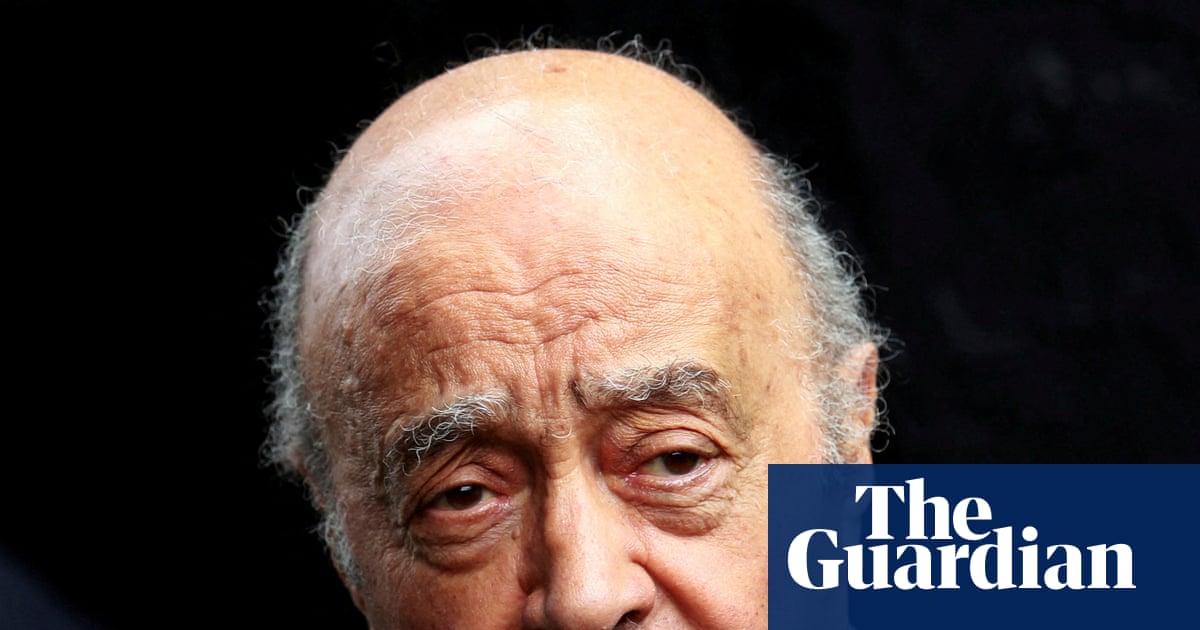
The UK Home Office has officially confirmed at least five survivors of sexual abuse by the late Mohamed Al Fayed as victims of human trafficking. The conclusive findings, which span incidents from the 1990s through 2010, validate long-standing claims that the former Harrods owner operated a systemic network of exploitation.
Home Office Conclusive Grounds Decisions
The Home Office has issued conclusive grounds
decisions through the National Referral Mechanism (NRM), the official UK framework for identifying victims of modern slavery. These decisions legally recognize that the individuals were subjected to trafficking, forced labor, or servitude. The process involves the Single Competent Authority (SCA) reviewing referrals to determine if a person meets the criteria for victim status.
Five survivors have now been publicly identified as having received these decisions: Rachel Louw, and four members of the advocacy group No One Above—using the pseudonyms Justine, Elizabeth, Margo, and Isabella. While these five cases are the first to be widely confirmed, reports indicate that additional survivors have also received positive determinations from the Home Office.
Evidence of Systemic Trafficking at Harrods and Beyond
The survivors’ accounts describe a sprawling operation that extended far beyond the walls of the Knightsbridge department store. According to evidence provided by the survivors to the press, the methods of recruitment and exploitation were varied and calculated. Some women were hired for legitimate roles at Harrods and subsequently selected for abuse off the shop floor
, while others were recruited into entirely false positions.

The scope of the abuse reached several of Al Fayed’s other business interests and properties.
- Harrods department store in London
- The Ritz hotel in Paris
- Fulham Football Club
- Hyde Park Residence
- Various private properties in France, Monaco, the United States, and the UAE
Isabella, who worked in the chair’s office at Harrods in 2001, highlighted the interconnected nature of the operation.
“He couldn’t have done what he did without Harrods processing women to him and silencing them afterwards. It wasn’t just Harrods, obviously. It was any entity that Fayed owned or had control of. It was his yachts, his aviation business, the Ritz Paris, his properties all over France and Monaco. It went as far as the States and the UAE – anywhere that man touched.”
Isabella, survivor
Operation Cornpoppy and the Search for Facilitators
The investigation, which opened 21 months ago, is focused not only on the actions of Mohamed Al Fayed—who died in 2023 at age 94 without facing charges—but also on the individuals who may have enabled his crimes.

To date, police have questioned four people in connection with the case. The Met Police have been contacted by at least 156 victims, with allegations encompassing a period from 1977 to 2014, including claims of rape, false imprisonment, and forced abortions. A spokesperson for Harrods stated that the company supports all survivors in their pursuit of justice and continues to work closely with the Met police on its investigation
.
Survivor Reactions to Official Recognition
For many of the women involved, the Home Office decision provides a long-awaited validation of their experiences. Justine, who worked at Harrods in the 1990s, described the experience of reading the official decision as shocking
but necessary for her personal journey. She noted that the confirmation serves as concrete confirmation
that the abuse was not merely the work of a single individual, but a systemic issue.
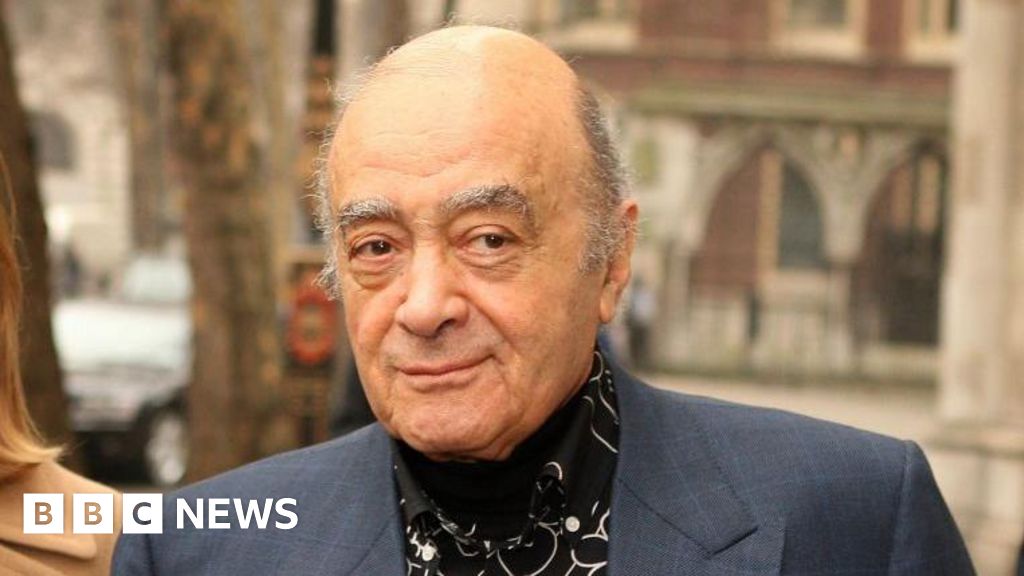
Other survivors expressed frustration regarding a perceived misunderstanding within law enforcement circles about what constitutes trafficking. Elizabeth, another Harrods employee who received a positive decision in May, argued that the persistent belief that trafficking only involves crossing international borders has hindered the understanding of domestic abuse cases.
“Everybody connected with this case is a trafficking victim, because it was all one system. You can’t say that victim A wasn’t trafficked and victim B was. I think there’s this persistent misunderstanding, possibly within the Metropolitan Police themselves, which is scary, that trafficking only involves being moved across international borders.”
Elizabeth, survivor
As the investigation continues, the Independent Office for Police Conduct is separately examining complaints regarding the Metropolitan Police’s handling of allegations between 2018 and 2024. The confirmation of trafficking status by the Home Office marks a significant shift in the legal standing of the survivors, potentially influencing the trajectory of ongoing criminal inquiries.
Related reading