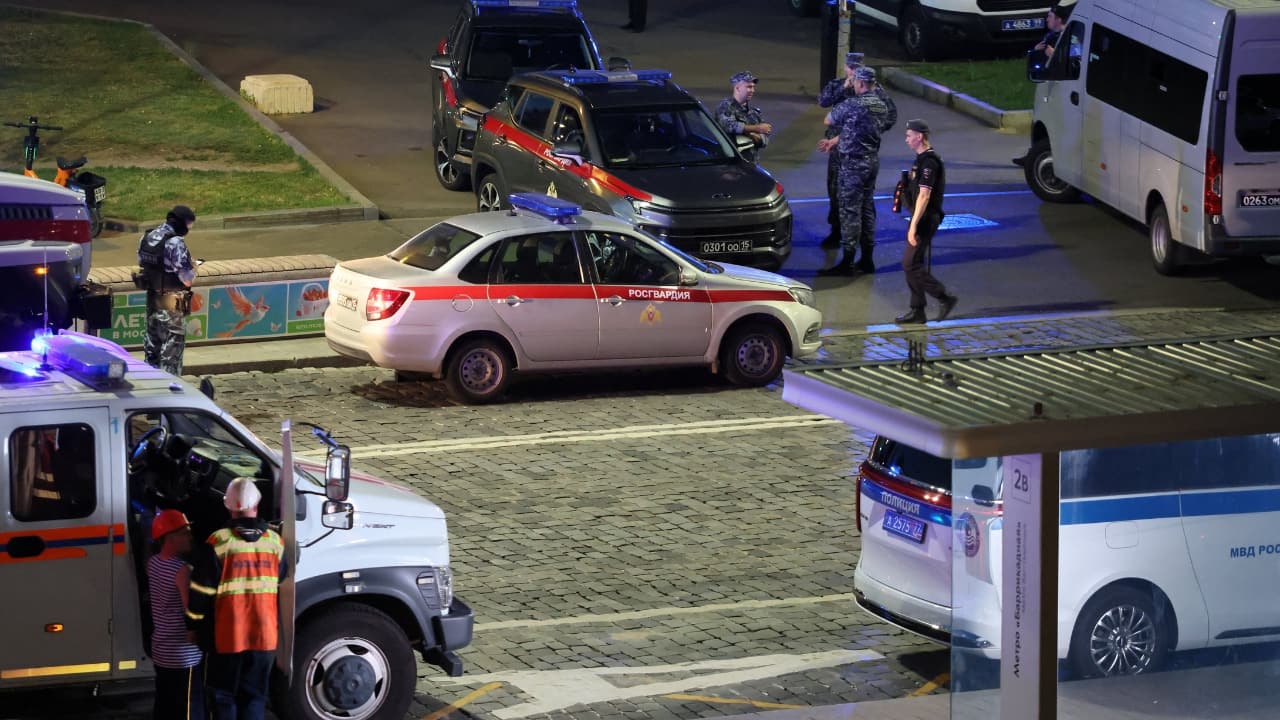
A bomb blast outside a Moscow restaurant on August 2, 2026, killed three people, including a woman carrying an improvised explosive device, and injured 21 others, according to Russian state media and official investigations.
The attack occurred at the Balzi Rossi, an upscale Italian restaurant on Kudrinskaya Square, where a woman attempting to enter with an IED was stopped by a security guard before the device detonated, according to Russian news agency Ria Novosti. The explosion left shattered windows and pockmarked walls at the scene, with emergency services and police surrounding the area for hours.
Moscow Mayor Calls Attack a ‘Brutal Terrorist Act’
Moscow Mayor Sergei Sobyanin described the attack as a brutal terrorist act
in a social media post, stating that the victims were receiving medical care. Those responsible for committing this crime will certainly be found and will face the punishment they deserve,
he wrote. The Moscow Investigative Committee confirmed the attack was under investigation, though no group has claimed responsibility.
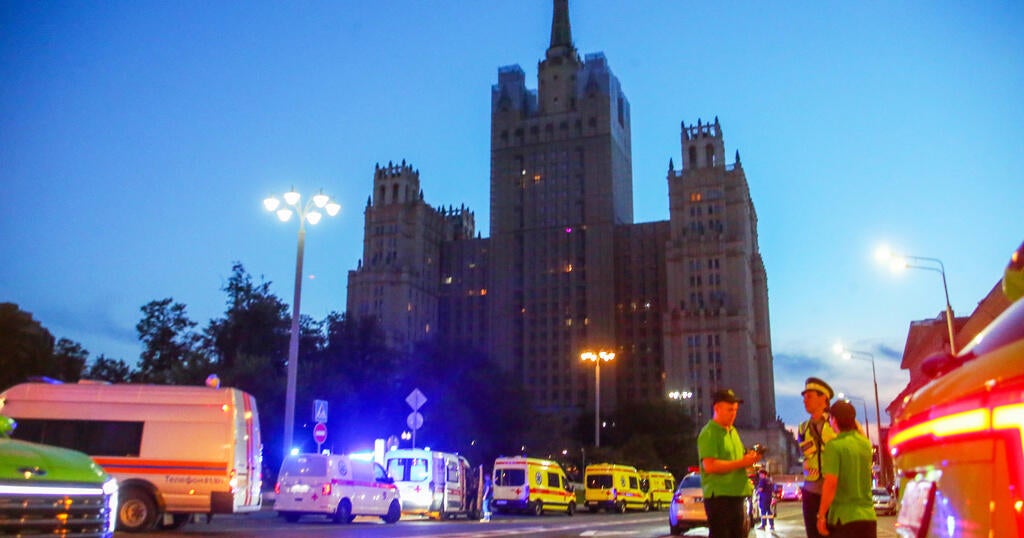
The woman with the IED, the security guard, and a restaurant patron were killed, while 21 others were injured, according to the National Anti-Terrorism Committee. A private function was reportedly underway at the restaurant at the time, but no official details about attendees were released. The Kremlin has not commented directly on the incident.
Russian Embassy Blames Kyiv, While Locals Link to War
The Russian Embassy in Italy accused Kyiv terrorists
of orchestrating the attack, stating, It is clear that when planning a terrorist attack on one of the best Italian restaurants in Moscow, the Kyiv terrorists wanted to scare Italians working in Russia.
However, the embassy provided no evidence to support the claim.
Locals near Kudrinskaya Square, however, linked the attack to the broader conflict in Ukraine. The explosions, the deaths, they frighten me,
said Ludmila, a resident. It's probably linked to the war that's going on.
Another spectator, Galina, accused the UK of involvement, saying, This is the work of Britain, this is your work,
before confronting a journalist.
Residents described the attack as a direct escalation. I heard a loud bang. I realised immediately that it was an explosion,
said Alexandra, who lives nearby. It's terrible. I can't get over this.
The incident marked the latest in a series of attacks targeting Russian military and political figures, including the 2024 killing of Gen. Igor Kirillov, head of the army’s chemical weapons division.
Connections to Previous Attacks and Unanswered Questions
Russia has blamed Ukraine for several high-profile attacks in recent years, including the 2025 car bombing that killed Lt. Gen. Yaroslav Moskalik and the 2024 killing of Gen. Kirillov. Ukraine has not publicly claimed responsibility for these incidents, though its SBU security service admitted to targeting Kirillov.
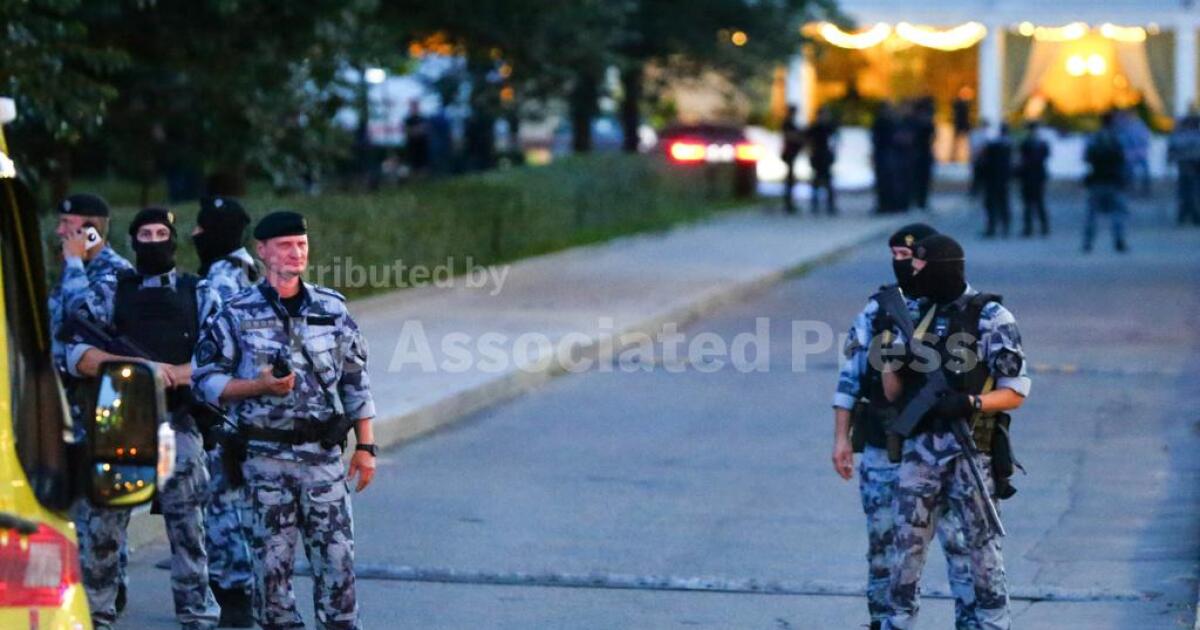
The attack on Balzi Rossi has raised questions about the scope of the conflict and potential targets. While Russian authorities have not connected the blast to broader terrorism networks, the incident follows a pattern of bombings targeting military and political figures. No official statement has clarified whether the attack was aimed at a specific individual or was a broader act of intimidation.
The Moscow Investigative Committee has not released details about the bomb’s origin or the woman’s affiliations. Russian state media has largely avoided covering the incident, with the Sunday morning news bulletin on Russia-1 focusing on military celebrations and international politics rather than the explosion.
What Comes Next? Investigations and Uncertainty
As of early August 3, 2026, no arrests have been made, and the investigation remains open. The lack of a public claim of responsibility has left many questions unanswered.
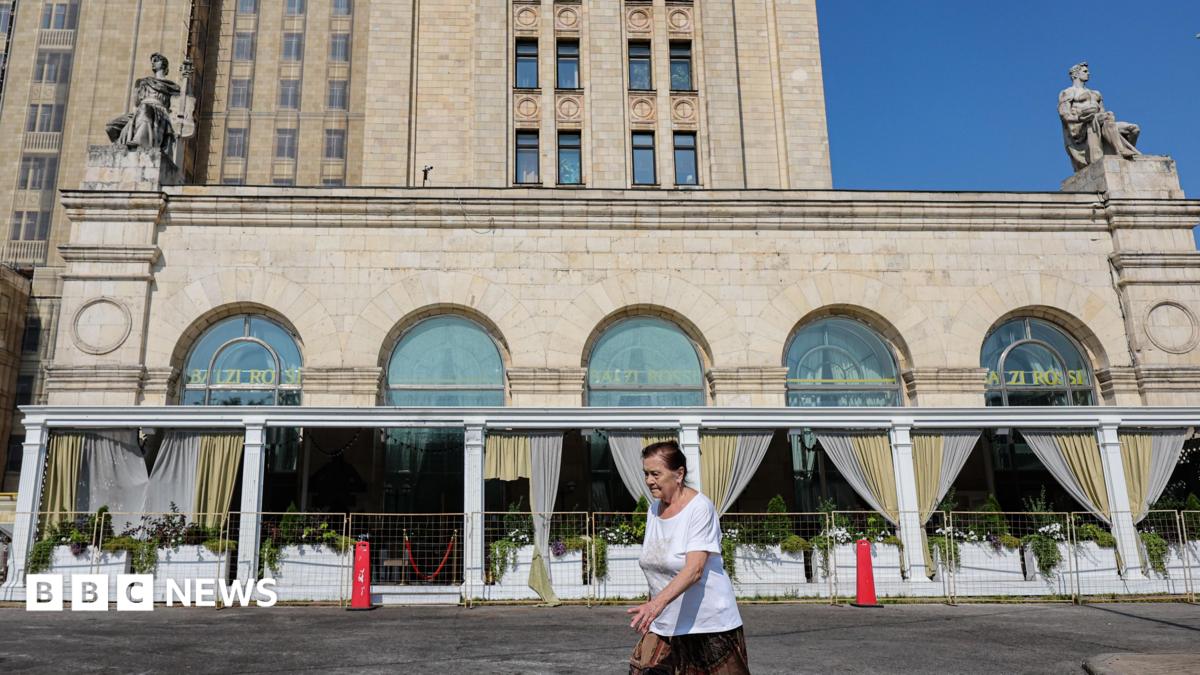
Russian security measures have tightened since the 2022 invasion of Ukraine, with increased surveillance around military and government officials. However, the Balzi Rossi attack suggests that such precautions may not extend to all public venues. The incident also highlights the growing volatility of the conflict, with attacks increasingly spilling into civilian life.
For now, the focus remains on the victims and the ongoing inquiry. I just don't know how I'm going to get over this,
said Alexandra, reflecting the lingering trauma of the event. The coming days may reveal more about the attack’s origins, but for now, the community grapples with the aftermath.
Keep reading