<>
A rare tick-borne illness known as the Bourbon virus has been identified in New York, leading researchers to advocate for broader clinical surveillance and testing. While the virus remains uncommon, recent findings suggest it may be circulating more widely in the Northeast than previously understood, particularly as the lone star tick continues to expand its geographic range across the United States.
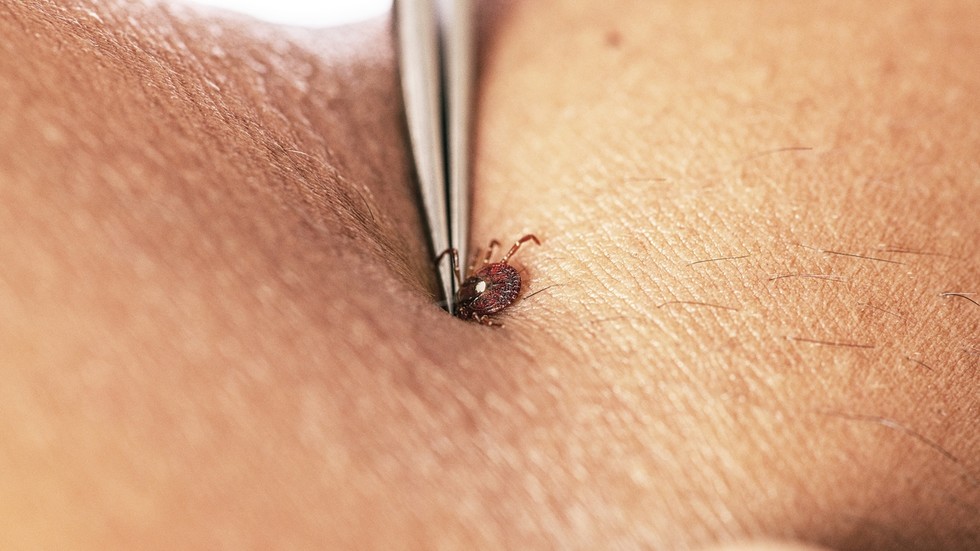
The Bourbon virus, which was first discovered in 2014 and named after its place of initial identification in Bourbon County, Kansas, is transmitted by the lone star tick (Amblyomma americanum). According to the Centers for Disease Control and Prevention (CDC), this tick species has historically been concentrated in the southern U.S. but has spread significantly throughout the eastern states, reaching as far north as Maine. The insect is characterized by the adult female’s prominent white dot on its back and is known to be an aggressive biter that can transmit various pathogens, including those responsible for ehrlichiosis and Heartland virus disease.
Clinical Detection and Diagnostic Challenges
The identification of the virus in New York follows a study by Stony Brook Medicine researchers who examined blood samples from 107 patients in Suffolk County between 2019 and 2024. Among those patients, who all presented with fever and other symptoms following tick bites, two were found to have antibodies to the Bourbon virus. The researchers published these findings last month, noting that the virus could increasingly complicate diagnostic efforts as it becomes more prevalent during the summer months.
One notable case involved a 67-year-old Long Island resident who was hospitalized in 2021 after developing severe symptoms. Initially treated with doxycycline for a suspected case of Lyme disease, the patient did not show improvement in his fatigue or severe headaches. Subsequent re-examination of his medical samples revealed an eightfold increase in Bourbon virus antibody levels over the course of one month, confirming the infection. While the patient eventually recovered, the case highlights the difficulty of diagnosing the virus, which often presents with symptoms—such as fever, rash, nausea, and body aches—similar to other tick-borne infections.
Dr. Luis Marcos, a professor at Stony Brook Medicine and director of its Tick-Borne Disease Clinic, emphasized the implications of these findings. “There are a lot of lone star ticks in New York and in the Northeast. We have dense populations, and when someone is infected with Bourbon virus, the symptoms are similar to those of other tick-borne infections,” Dr. Marcos said. “For these reasons, the Bourbon virus is likely more prevalent than we think in our region, and other cases are likely going undiagnosed.”
Current Status of Treatment and Surveillance
There is currently no vaccine or specific medication available to prevent or treat the Bourbon virus. Because no commercial diagnostic test is available, suspected cases in New York must be routed through the state Department of Health for specialized laboratory analysis. Researchers argue that without a more robust framework for identifying the root cause of these infections, the medical community’s capacity to develop targeted diagnostic tools or effective clinical treatments remains minimal.
The lone star tick is also linked to other medical concerns, including Southern tick-associated rash illness (STARI) and alpha-gal syndrome, a condition that causes an allergy to red meat. As the tick population remains dense in the Northeast, health officials continue to monitor for emerging vector-borne pathogens. Residents are encouraged to consult official local health department advisories for guidance on tick bite prevention and to report symptoms following exposure to tick-prone environments. Further updates regarding testing protocols or public health surveillance expansions will be provided by state health authorities as they become available.
Worth a look