President Donald Trump signed an executive order imposing a 15-percent tariff and minimum import prices on polysilicon, a critical material for semiconductors and solar panels, following a national security investigation by the Commerce Department aimed at countering China’s supply chain dominance.
The executive order, signed on Thursday, introduces a hybrid trade policy that combines minimum import floors with a 15-percent levy on polysilicon and related derivatives. The measures, which are scheduled to take effect in December, stem from a year-long national security investigation conducted by the Commerce Department under Section 232. The investigation examined how foreign imports affect domestic manufacturing of the ultra-pure feedstock essential for both photovoltaic cells and advanced microchips.
Economic Pressures and China’s Market Dominance
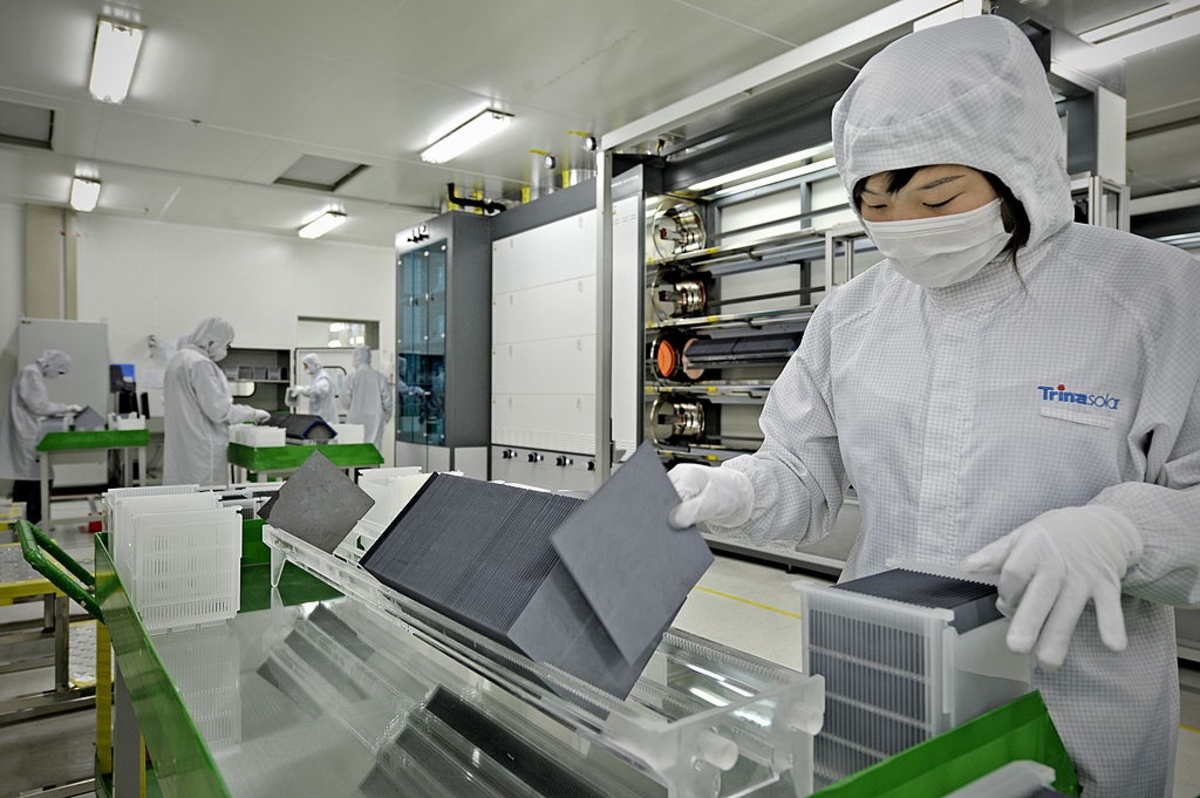
Polysilicon serves as the foundational material sliced into silicon wafers for chip fabrication and solar energy panels. Chinese manufacturers accounted for 93.5 percent of global output in 2024, with the top four producers—Tongwei, GCL Technology, Daqo New Energy, and Xinte Energy—holding 65 percent of the worldwide market. This industrial capacity was bolstered by substantial state support from Beijing.
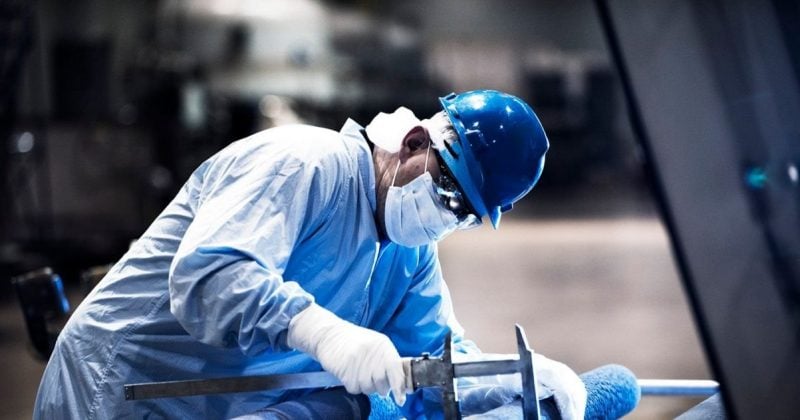
The resulting supply concentration drove global prices down sharply, falling from approximately $39 per kilogram ($17.69 per pound) in 2022 to below $4.50 per kilogram ($2.04 per pound) by the end of 2024.
“For decades, the US has allowed foreign firms to weaken United States producers in the polysilicon sector.”
President Donald Trump
President Trump stated in the order that imports have caused the United States’ share of global polysilicon production to drop from 50 percent in 2005 to less than 2 percent in 2024. The Chinese embassy in Washington criticized the action, stating in a release that Beijing will act to protect its companies against what it termed abusing state power to go after Chinese businesses,
adding that the policy seriously disrupts
trade between the two nations.
Energy Costs and Domestic Production Realities
The domestic polysilicon landscape remains limited. The primary domestic manufacturers are Hemlock Semiconductor in Hemlock, Michigan, and Wacker Chemie in Charleston, Tennessee, while REC Silicon in Washington State has experienced significant operational hurdles. The new executive measures are expected to benefit Hemlock Semiconductor and Wacker Chemie.
Impact on Solar Developers and Semiconductor Supply Chains
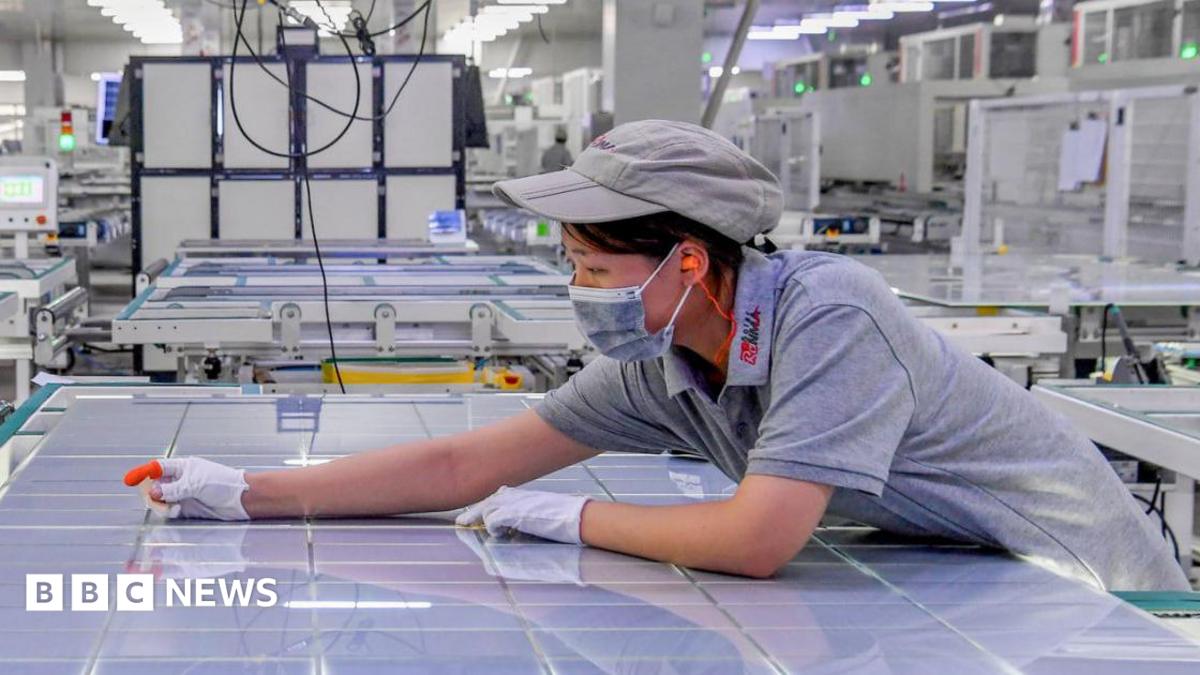
The hybrid trade mechanism introduces a complex operational environment for downstream industries. By combining price floors with a 15-percent tariff on derivatives, the administration aims to bolster domestic factories, but higher raw material costs will likely increase expenses for US solar panel manufacturers and semiconductor fabricators.
In the solar sector, more expensive panels could lead to longer payback periods for commercial and residential installations. This trade policy shift also coincides with a period of reduced federal support for renewable energy under the current administration, creating distinct policy mixed signals for domestic manufacturers attempting to expand capacity under the 2022 Inflation Reduction Act framework.
For semiconductor manufacturing, the quality requirements are even more stringent.
Broader Trade Actions and Global Repercussions
The polysilicon order arrives alongside other sweeping trade restrictions.
International reactions to the broader tariff strategy continue to unfold. Analysts note that the polysilicon tariff represents the latest escalation in efforts by Washington to restrict Chinese participation in critical technology supply chains, following earlier controls on drones and humanoid robots.
Keep reading