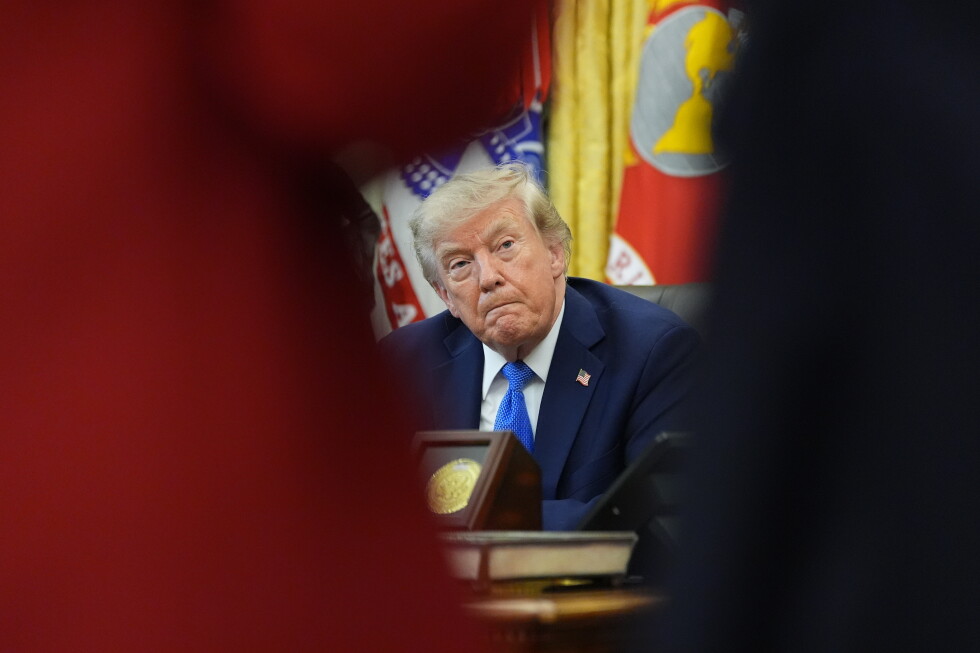
President Donald Trump stated that an agreement to reopen the strategically vital Strait of Hormuz could be reached soon. Speaking to reporters at the White House, Trump noted that he is personally involved in the negotiations and believes discussions are progressing well.
Trump Says Agreement to Reopen Strait of Hormuz Could Be Imminent
The potential diplomatic breakthrough follows months of conflict that disrupted a vital global energy transit route. The war, launched on Feb. 28 by the U.S. and Israel with stated goals including toppling Tehran’s government and ending its nuclear program, ultimately devolved into a fierce contest over control of the strait. Prior to the conflict, approximately one-fifth of the world’s oil and natural gas passed through the waterway.
Negotiation Details and Regional Logistics
The emerging framework under discussion between Iran and Oman involves establishing designated shipping lanes to restore transit through the Persian Gulf. According to regional officials, the potential arrangement calls for inbound vessels to utilize an Iranian-controlled route while outbound traffic exits through a route controlled by Oman.
Iranian Foreign Ministry spokesman Esmail Baghaei stated that talks with Oman focused on establishing safe inbound and outbound lanes that uphold sovereign rights while addressing national security considerations for both nations. However, sticking points have persisted over control and fees. While regional officials indicated that service fees might be charged for providing security and preserving the maritime environment, President Trump maintained strong public opposition to tolls, declaring that the U.S. would implement its own charges if any are levied. Furthermore, any final agreement remains linked to lifting the U.S. blockade on Iran’s ports.
Global Economic Impacts and Ongoing Security Concerns
The extended closure of the Strait of Hormuz severely restricted commercial shipping, reducing transit to a trickle and driving up fuel and basic goods prices across the globe. Financial markets reacted to the prospects of a reopening; international standard Brent crude hovered around $80 per barrel, remaining well below peak conflict levels.

Despite diplomatic progress, security risks in the broader region persist. Trump noted that navigational hazards remain a major concern. They can always shoot something. They always have something, or drop a mine, and if you have one mine sitting out there, you sort of mess things up because people don’t want to take their billion-dollar boats and accidentally get hit by a mine,
Trump said.
Military Stockpiles and Administration Outlook
The path toward a diplomatic resolution also coincides with intense debate regarding military readiness and domestic political pressures. President Trump faces mounting urgency to resolve the conflict ahead of upcoming midterm congressional elections, while public opinion polls indicate that about two-thirds of U.S. adults view the war as not worthwhile.

Experts and think tanks like the Center for Strategic and International Studies have previously raised concerns over declining U.S. inventories of advanced missile interceptors used to protect troops from Iranian attacks. However, Trump dismissed these concerns, asserting that the nation maintains massive amounts of ammunition supplied worldwide and is in very good shape. Expressing optimism about the trajectory of the conflict, Trump added that the war with Iran is going to end pretty soon because he does not believe Tehran can sustain the fight much longer.
Keep reading
- Florida City Razorbacks Enjoy Special Event with Fundación Dr. Simi at Nu Stadium
- Zelensky’s First Visit to Serbia: Strengthening International Support for Ukraine
- Tariff vs. Price Floor: What Trump's New Solar Rule Does (daybreakwire.com)
- Tanzania and Uganda Sign Agreement with Vitol for Tanga Energy Hub (archyworldys.com)