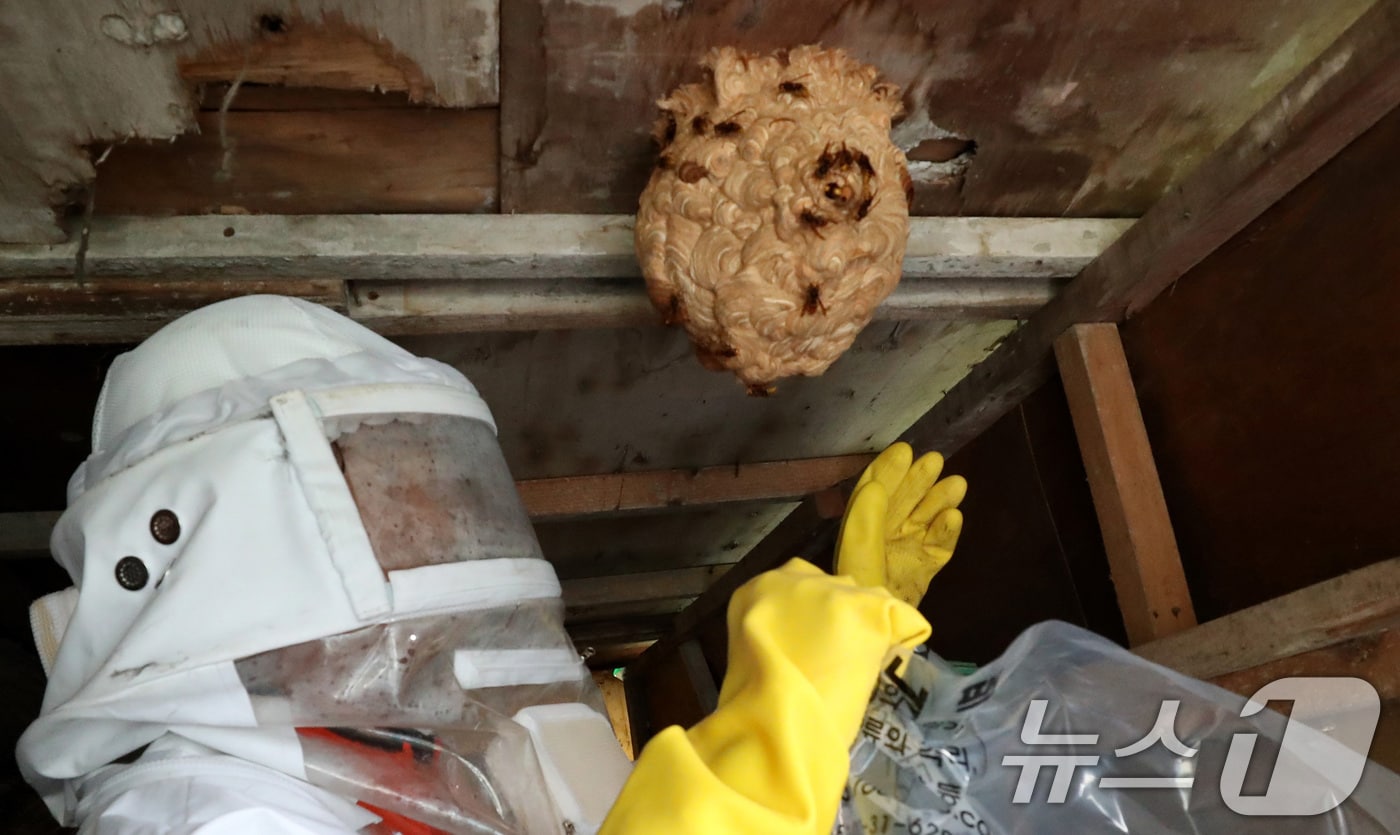
The Ulsan Fire Department has announced a comprehensive seasonal response plan running through September, which includes the pilot deployment of specialized hornet removal squads to address rising public safety risks. Driven by warmer seasonal conditions and increased outdoor activity, local emergency services are stepping up containment measures as stinging insect populations peak across urban and suburban districts.
Emergency medical specialists emphasize that severe allergic reactions—such as difficulty breathing, widespread hives, or pronounced swelling—require immediate calls to emergency services at 119 and prompt professional medical intervention. Public safety officials have issued strict advisories urging residents to exercise extreme caution, noting that discovering large nests near residential properties demands professional removal rather than private handling.
According to safety guidelines issued by municipal authorities, aggressive stinging insects present severe hazards during the late summer months when colonies reach their maximum size. The newly established dedicated removal units are strategically positioned across fire stations in Ulsan to reduce response times and manage the high volume of distress calls typically logged during this period.
Understanding Seasonal Stinging Risks and Public Safety
As outdoor temperatures rise, stinging insects become significantly more active, increasing the frequency of encounters with hikers, gardeners, and homeowners. Municipal safety data indicates that nest construction peaks between July and September, leading to a surge in emergency dispatch requests. The Ulsan Fire Department’s specialized deployment aims to mitigate these risks by cutting down arrival times for nest eradication and swarm containment.
Medical professionals explain that stings from hornets, wasps, and bees can trigger localized pain or severe systemic reactions depending on individual sensitivity and the number of stings sustained. Anaphylaxis, a life-threatening allergic reaction, can develop within minutes of a sting, making rapid access to emergency medical care essential. Health authorities advise anyone experiencing systemic symptoms—including dizziness, wheezing, or facial swelling—to seek immediate help through 119 rather than waiting for symptoms to subside.
Operational Protocols for Specialized Removal Squads
The pilot deployment introduces dedicated response teams trained specifically in handling aggressive colony behavior and utilizing advanced protective gear. Traditional firefighting units often handle various concurrent emergencies, but these specialized squads focus exclusively on insect mitigation during peak seasonal months. Officials note that this targeted approach prevents operational bottlenecks during high-volume periods.
Fire officials recommend that citizens avoid disturbing visible nests and refrain from using DIY removal methods, which frequently provoke aggressive swarm responses. When a nest is located on private or public property, residents should immediately notify local authorities so that trained personnel equipped with proper containment gear can neutralize the hazard safely.
Next Steps and Emergency Guidance
The Ulsan Fire Department will continue its intensified response operations through the end of September, monitoring call volumes and adjusting squad deployments based on daily incident reports. Residents seeking further safety advisories or wishing to report hazardous nests can access updates directly through municipal public safety portals and local emergency dispatch announcements.