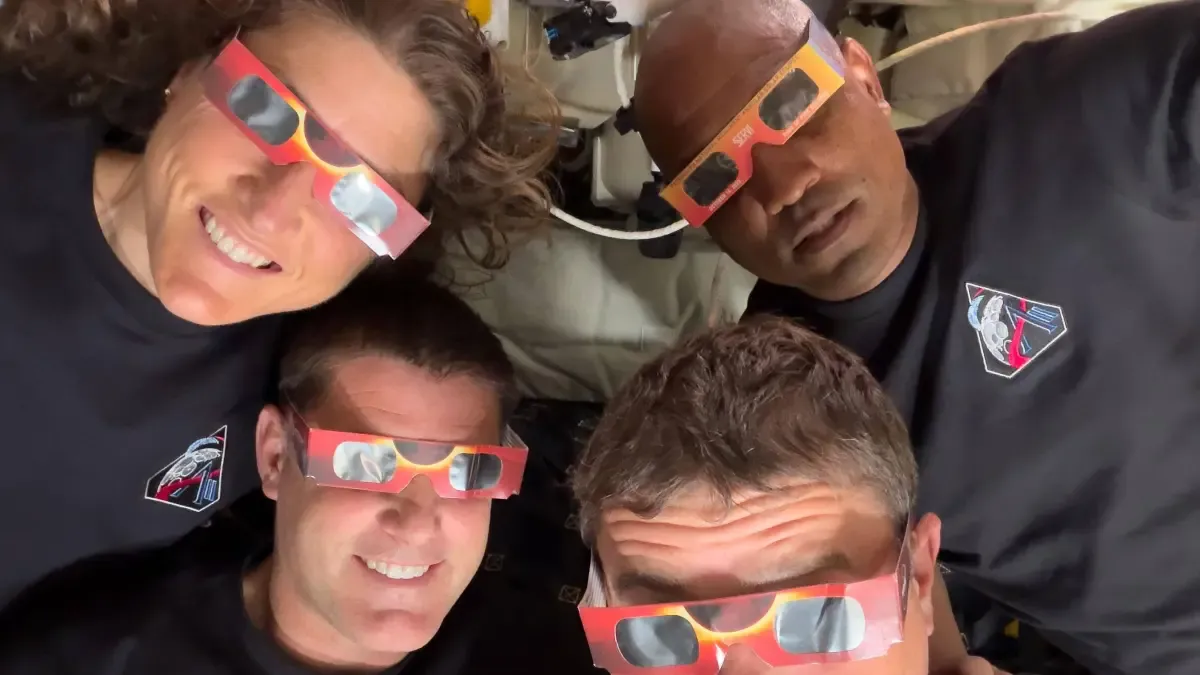
Spain prepares for a rare total solar eclipse on August 12, 2026, bringing millions of viewers and international researchers to the Iberian Peninsula. The historic astronomical event has transformed the abandoned Burgos village of Villalibado into a NASA base of operations, while leading astronomers urge travelers to prioritize clear skies and unobstructed horizons.
Villalibado Emerges as NASA Command Center for the Total Solar Eclipse
In the tiny, near-deserted hamlet of Villalibado in the province of Burgos, a transformation is underway ahead of the upcoming celestial alignment. Recorded as having just six inhabitants in 2015 and currently estimated at two year-round residents, the remote settlement has been selected by the National Aeronautics and Space Administration (NASA) in collaboration with San Francisco’s Exploratorium science center to serve as its primary base of operations for the August 12, 2026, total solar eclipse.
The village was acquired and rehabilitated by Juan Ansotegui, who purchased the abandoned collection of structures—unoccupied since 1998—to develop rural tourism accommodations. For over a year and a half, Ansotegui maintained strict confidentiality regarding the arrangement as public anticipation mounted across the region.
When I received the call I thought it was a joke. They told us by phone that they were from NASA, that they were here in the town and that they wanted to rent it. I live two hours from here and I came immediately. They told us that they had been to an infinite number of locations but that none served, and that this was the site they wanted. Juan Ansotegui, property owner
Approximately 30 scientists and technicians have established a temporary camp in the village, utilizing the restored 12th-century Romanesque church of San Salvador as the central node for their operations. High-precision telescopes and measurement equipment are stationed on the hillside adjacent to the church, positioning the location to broadcast the live signal of the eclipse to an estimated audience exceeding ten million people worldwide.
Astronomical Significance of Spain’s Upcoming Eclipse Trio
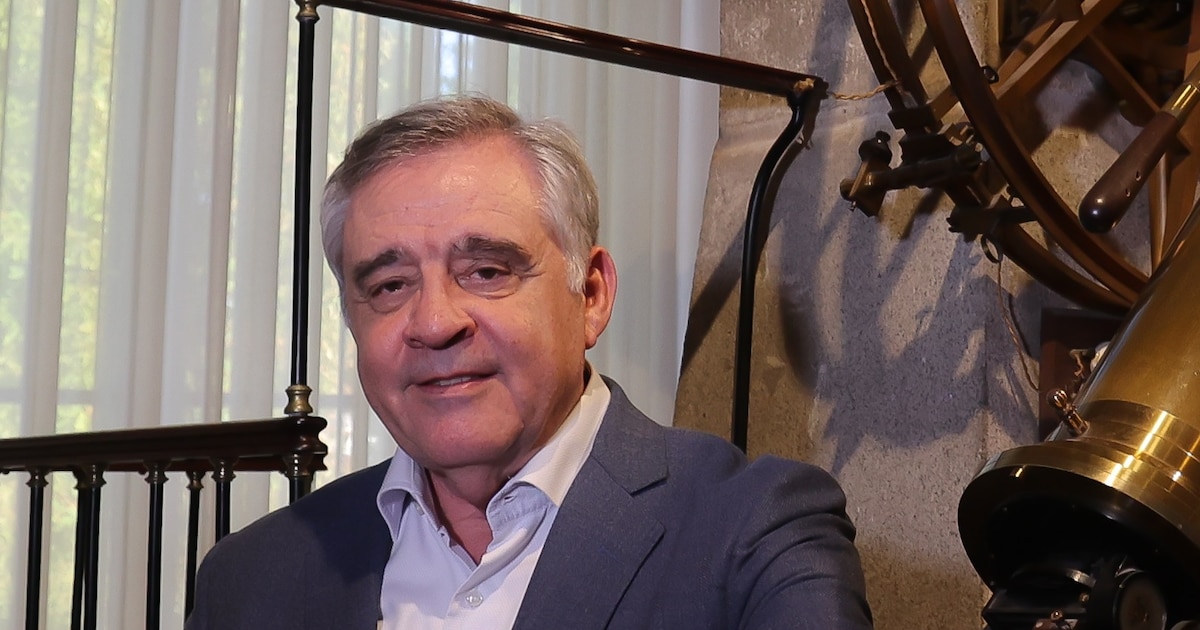
The August 12 event marks the first time in over a century that a total solar eclipse is visible across the Iberian Peninsula. According to Rafael Bachiller, director of the National Astronomical Observatory and the Royal Observatory of Madrid (IGN) and president of the Scientific Commission for the Eclipse Trio, the phenomenon inaugurates a sequence of three unprecedented astronomical events in Spain, including two total eclipses and one annular eclipse between 2026 and 2028—a combination that will not recur for decades.
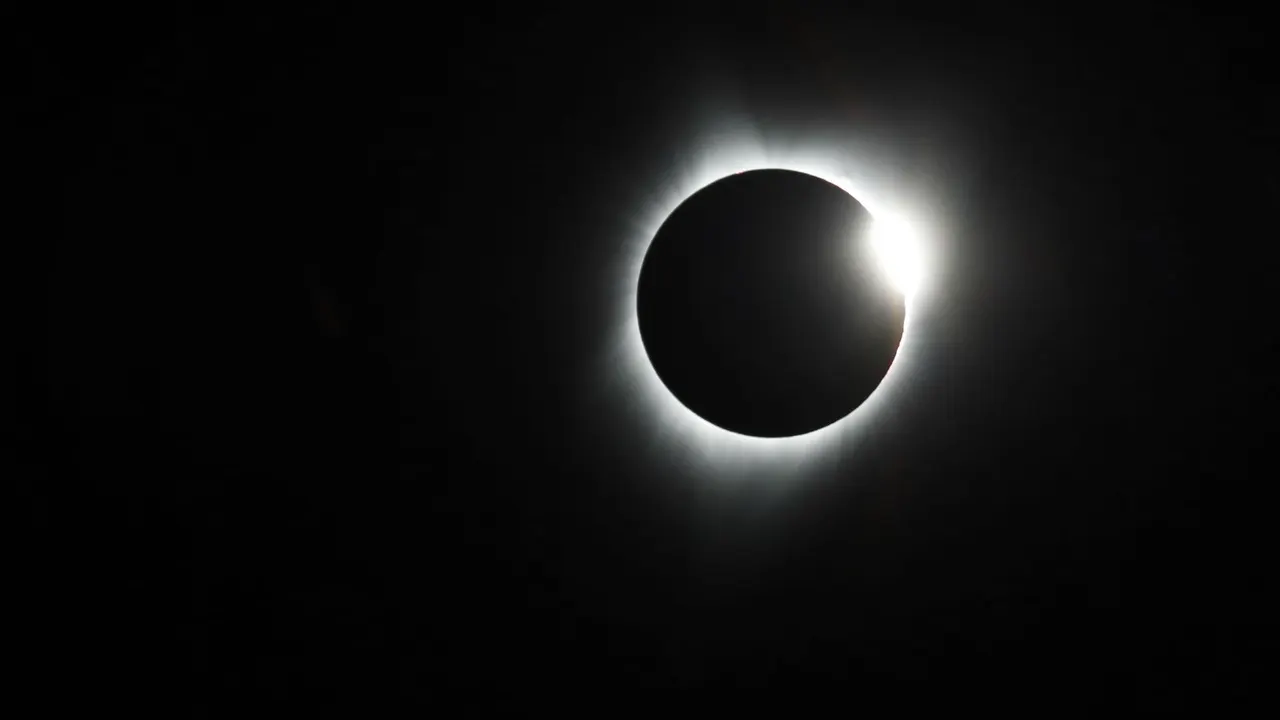
More than ten million residents live directly beneath the path of totality, which will plunge daytime into darkness for 104 seconds. Alongside domestic observers, the Ministry of Economy projects the arrival of more than 446,000 tourists, driving lodging searches in high-visibility zones up by more than 500%.
Scientific teams are deploying specialized instruments to capture data during the fleeting moments of totality. Researchers will focus on analyzing the solar corona—the sun’s outer atmosphere—which remains obscured during normal conditions. Additional investigations will measure the sudden drop in solar radiation and its immediate effects on the Earth’s atmosphere and ionosphere, alongside citizen science projects involving high-altitude balloon launches to photograph the lunar shadow sweeping across the peninsula.
Observing Strategies and Meteorological Warnings for August 12
Because the sun will sit low on the horizon during the late afternoon totality, viewing geometry requires careful planning. Bachiller emphasizes that terrain and cloud cover pose the greatest obstacles to observation.
More than specific coordinates, I would recommend looking for areas with a high probability of clear skies and room for maneuver. Sometimes, chasing the blue sky for a few kilometers can make the difference between a memorable experience and a disappointment. Rafael Bachiller, Director of the National Astronomical Observatory

Meteorological predictions remain generally optimistic, though cloud formations could potentially obstruct views across parts of the Cantabrian region, the Pyrenees, Castellón, northern Valencia, northern Almería, Granada, and the Canary Islands. Due to the low solar angle, obstructions many kilometers to the west can block the line of sight. In regions like Mallorca, where the Serra de Tramuntana mountain range threatens to obscure the western horizon, numerous organized observation campaigns have arranged viewings from yachts and cruise ships.
Local authorities are also preparing for logistical strain. In the municipality of Villadiego, located two kilometers from Villalibado, Mayor Ángel Carretón has notified the Subdelegation of the Government in Burgos to reinforce security and manage potential traffic congestion as travelers converge on the area.
Worth a look
- SpaceX Falcon 9 Rocket Impact Confirmed: Lunar Crater Revealed by Space Probes
- Bitcoin Drops Below $64K Following Rejection, Prompting Peter Schiff’s Warning
- Octopus Energy Offers Free Electricity to Customers Who Cut Usage During Solar Eclipse (world-today-news.com)
- Tariff vs. Price Floor: What Trump's New Solar Rule Does (daybreakwire.com)