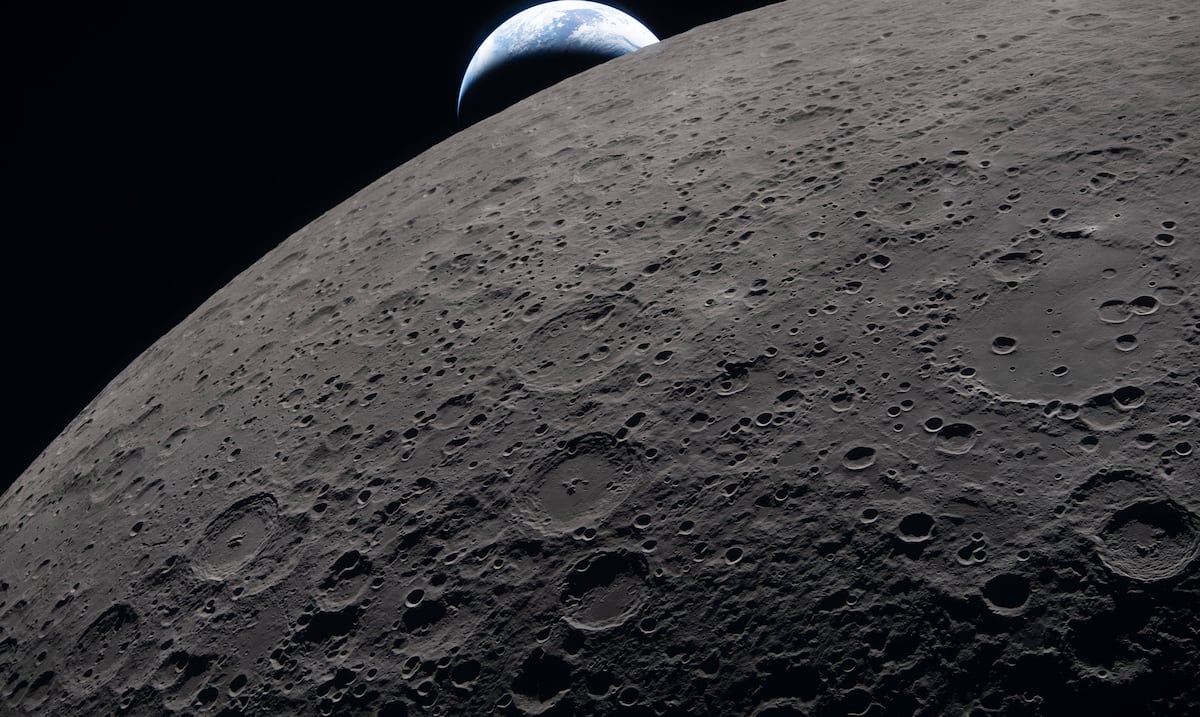
The vision of a sustained human presence on the lunar surface is moving rapidly from the realm of science fiction to a concrete engineering reality. NASA’s Artemis program, which serves as the cornerstone for modern lunar exploration, is shifting its focus from initial flybys and landings to the long-term infrastructure required for a permanent lunar base. As we look toward the next decade, the integration of commercial partnerships and advanced life-support technology is setting the stage for what many in the aerospace community consider the ultimate proving ground for future missions to Mars.
For those of us tracking the evolution of space exploration, the current trajectory represents a significant pivot. While the Apollo missions were defined by the “flags and footprints” era, the current strategy focuses on infrastructure. NASA’s Artemis program is not merely about returning to the Moon; it is about establishing a foundational architecture that allows humans to live and work in deep space for extended periods. This is a critical step in the agency’s broader goal of sending the first crewed mission to Mars, a challenge that requires mastering resource utilization in environments far from Earth’s protective atmosphere.
To achieve these ambitious goals, NASA has leaned heavily into public-private partnerships. By leveraging the expertise of commercial entities, the agency is accelerating the development of essential hardware, including lunar landers and surface habitats. According to the official NASA Artemis mission overview, these collaborations are designed to lower costs and foster a robust lunar economy, ensuring that the infrastructure built today remains functional for the scientific and exploratory missions of tomorrow.
Building the Infrastructure for a Permanent Lunar Presence
The concept of a “permanent base” relies on the ability to utilize lunar resources, a process known as In-Situ Resource Utilization (ISRU). The lunar south pole, identified as a primary target due to the presence of water ice in permanently shadowed regions, is the focal point for these efforts. Water is not only essential for life support but can also be processed into liquid hydrogen and liquid oxygen—the primary components of rocket propellant. By producing fuel on the Moon, NASA and its partners can significantly reduce the mass that must be launched from Earth, making deep space travel more efficient.
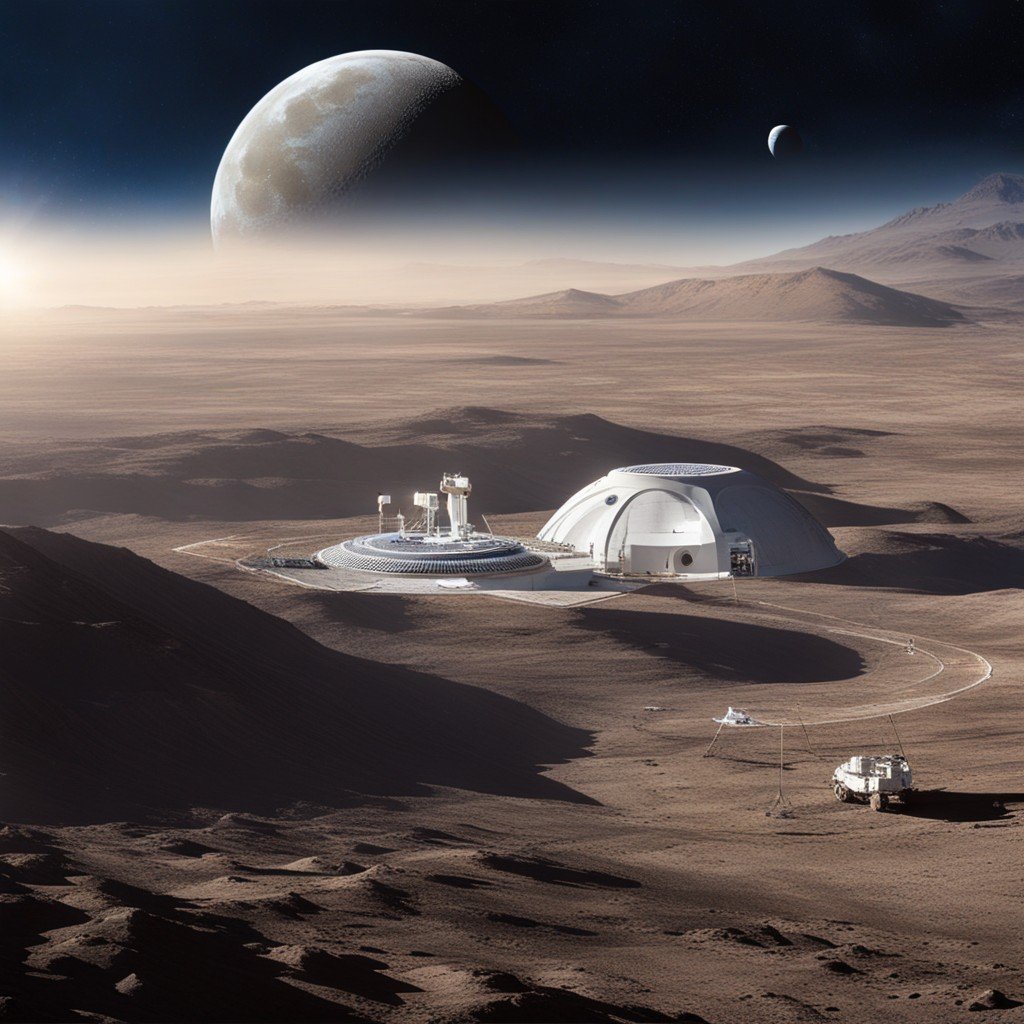
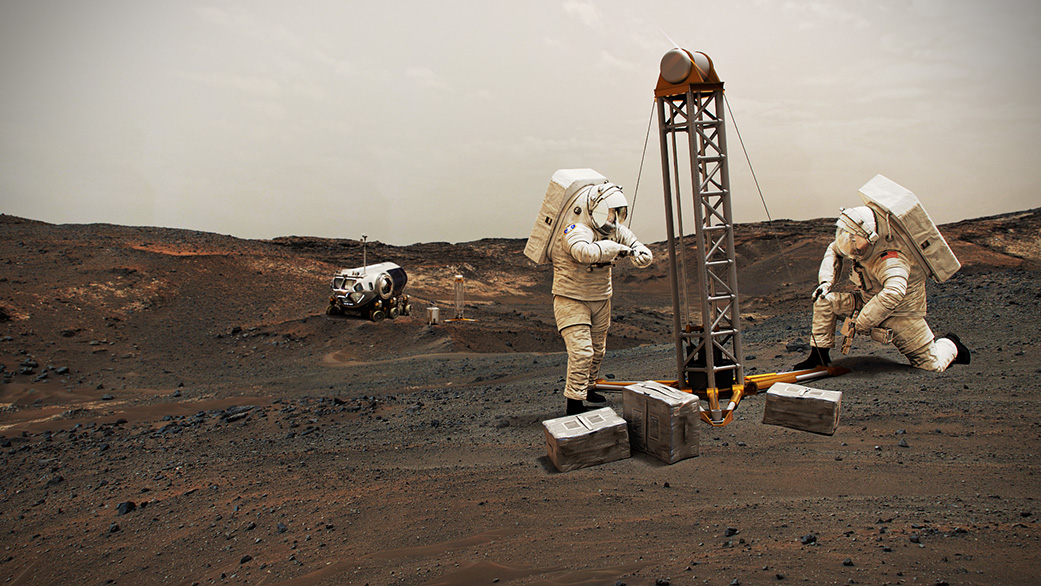
Commercial involvement is equally critical. For instance, the selection of providers for the Human Landing System (HLS) has been a transformative move. Companies like SpaceX and Blue Origin are currently under contract to develop landers that will ferry astronauts and cargo to the lunar surface. As noted in NASA’s official announcement regarding the Blue Origin selection, these partnerships are vital for ensuring redundancy and competition, which are essential drivers of innovation in the aerospace sector.
The timeline for these developments is aggressive. While the Artemis I mission successfully tested the Space Launch System (SLS) and the Orion spacecraft in 2022, the subsequent missions—Artemis II and III—are focused on crewed lunar flybys and the eventual return to the surface. Each mission builds upon the telemetry and hardware validation of its predecessor, creating a cumulative knowledge base that is essential before any crewed mission to Mars can be safely attempted.
The Mars Connection: Why the Moon Matters
Why spend so much time on the Moon if the ultimate objective is Mars? The answer lies in the harsh realities of space travel. Mars is significantly further away, and a mission to the Red Planet would require a transit time of several months, during which the crew would be entirely self-sufficient. The Moon offers a “nearby” laboratory where we can test life-support systems, radiation shielding, and long-term habitat construction in a low-gravity environment.
the psychological and physiological impacts of long-duration spaceflight are still being studied. By establishing a base at the lunar south pole, NASA can simulate the challenges of a Martian environment while remaining within a three-day return window to Earth. This proximity provides a safety net that is nonexistent for a mission to Mars, allowing researchers to refine technologies and operational procedures with a higher degree of risk management.
The NASA Moon to Mars architecture approach is fundamentally modular. It emphasizes the development of the Lunar Gateway—a small station that will orbit the Moon and serve as a communication hub, science laboratory, and short-term habitation module for government and commercial crews. This station will act as a staging point for surface missions and a training ground for the deep-space transit vehicles intended for the journey to Mars.
Key Takeaways for the Future of Exploration
- Infrastructure-First Approach: The transition from temporary landings to a sustained presence centers on the development of permanent habitats, power grids, and life-support systems.
- ISRU Technology: Mastering the extraction of water ice and other materials from the lunar regolith is the single most important factor for reducing mission costs and increasing range.
- Commercial Synergy: The integration of private sector providers, such as the ongoing work with Blue Origin and SpaceX, is a permanent fixture of NASA’s mission profile.
- Safety and Redundancy: The Moon serves as a critical testing ground for the technologies and human factors required for the much more complex mission to Mars.
What Happens Next?
The next major checkpoint in this timeline is the Artemis II mission, which is currently scheduled to carry a crew around the Moon. Following this, the Artemis III mission aims to land the first woman and first person of color on the lunar surface. These missions are not just milestones in history; they are the necessary steps toward the eventual construction of the Artemis Base Camp.
As we move forward, NASA continues to provide updates through its official mission portal, where stakeholders and the public can monitor the progress of hardware testing and flight readiness. The transition from orbital flight to surface habitation is a monumental engineering challenge, but the synergy between public vision and private innovation has never been stronger. I will continue to monitor the progress of these commercial lander contracts and the development of the Lunar Gateway as they move through their next critical design reviews.
What are your thoughts on the pace of lunar development? Should the focus remain on the Moon, or should we be pushing directly for Mars? Join the conversation in the comments below and stay tuned for my next report on the emerging technologies that will make these missions possible.
Related reading