As magnesium surges in popularity for sleep support, registered dietitians evaluate three companion supplements—L-theanine, melatonin, and ashwagandha—highlighting how they interact, their scientific backing, and when basic dietary minerals are all you truly need for a full night of rest.
Magnesium has quickly established itself as a primary supplement for individuals seeking better sleep, prized for its natural role in hundreds of bodily processes, including the systems that help the nervous system wind down at night. According to experts, the mineral plays a genuine role in relaxation, though questions persist regarding whether pairing it with additional compounds offers amplified benefits or if simple dietary adjustments suffice.
Magnesium L-Threonate and Powder Formulations
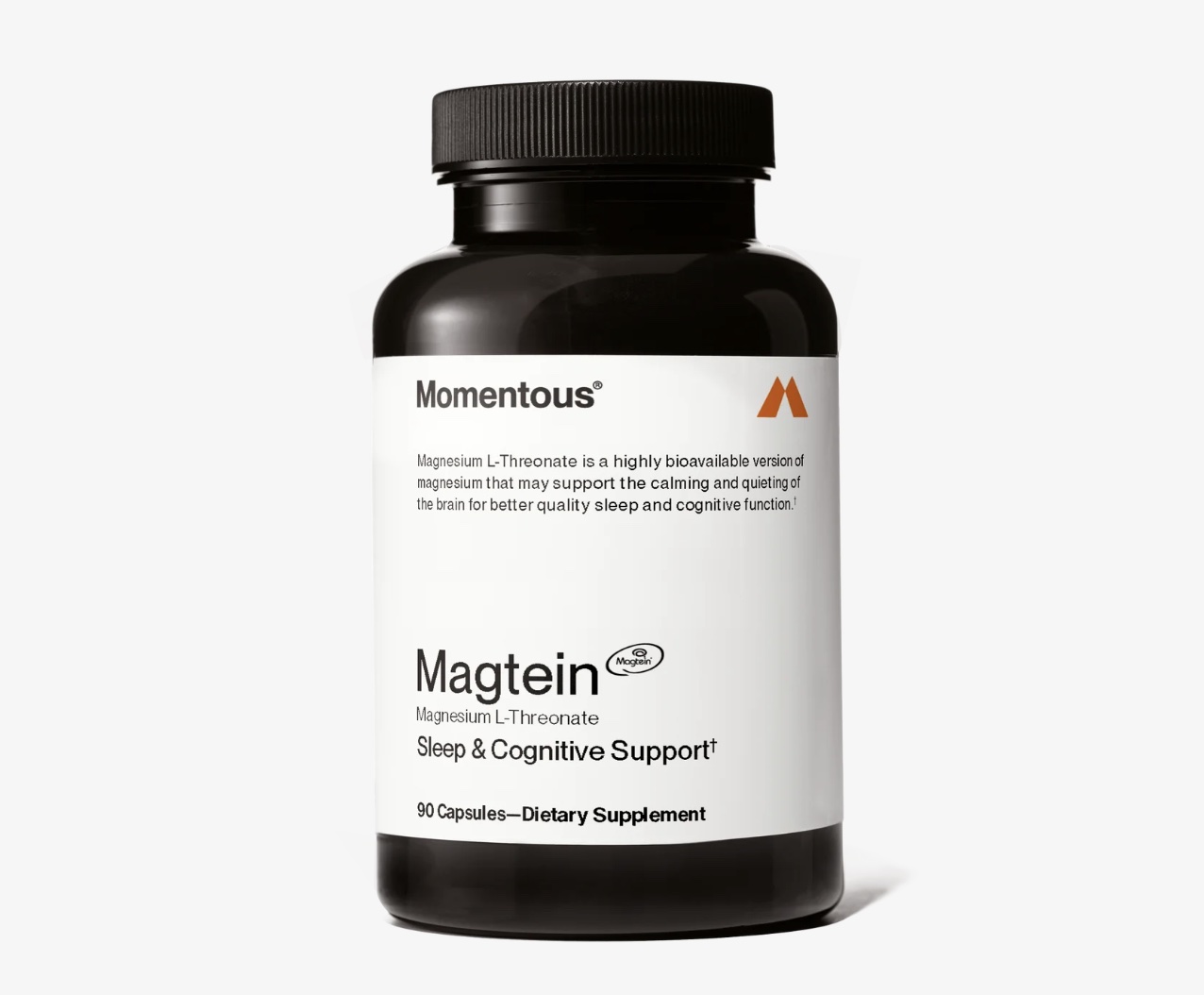
Product choices vary widely depending on personal preference and desired dosages. Formulations such as Momentous Magnesium L-Threonate offer 145 milligrams of magnesium per vegan capsule, designed to assist with both falling asleep and maintaining daytime alertness. Meanwhile, brands like Innerbody Labs package magnesium alongside zinc, copper, vitamin D, and L-theanine in a 127-milligram complex aimed at boosting sleep efficiency without heavy morning grogginess.
For those who struggle with the inherent bitterness of unflavored minerals, flavored drink mixes provide an alternative. AGZ offers a powder mix in chocolate, mint, and mixed berry varieties containing 250 milligrams of magnesium L-threonate per serving packet. The formulation includes additional botanicals such as valerian root, ashwagandha, saffron, and L-theanine. Preparation involves emptying a packet into 4 ounces of water or milk, using an included frother to blend the drink warm or cold. Similarly, Ritual Magnesium+ utilizes a powder-based supplement containing magnesium and tart cherry extract to simultaneously aid nightly muscle recovery.
Evaluating L-Theanine as a Relaxation Aid
Beyond magnesium alone, researchers often point to L-theanine—an amino acid found naturally in tea leaves—as a companion supplement worth considering. Studies suggest it promotes a calm, settled mental state without inducing daytime drowsiness. Small-scale findings indicate it may help individuals fall asleep more easily by lowering stress levels.
“L-theanine is interesting because it seems to promote a calm, settled feeling that can make it easier to wind down at night. Paired with magnesium, which also supports relaxation, it may be a reasonable combination to try, though I’d stress that the current evidence is early and not definitive.”
Jamie Lee McIntyre, M.S., RDN
Despite promising initial observations, experts caution that existing research features small sample sizes or combines L-theanine with other ingredients, making isolated effects difficult to measure. Individuals taking concurrent medications or other supplements are advised to consult a healthcare provider before experimenting with L-theanine.
Melatonin for Circadian Timing and Shift Work
Melatonin represents another frequent addition to nighttime routines, working as a naturally produced hormone that signals the approach of nighttime. While studies indicate it can help individuals fall asleep slightly faster, specialists emphasize that it functions as a timing regulator rather than a heavy sedative.
“Melatonin can be helpful, but it’s not a sedative and shouldn’t be treated like one. The evidence is strongest for resetting a disrupted sleep schedule. If someone is already using magnesium and adds a low dose of melatonin for a short period, that may be a sensible, evidence-informed approach, but it’s not meant for indefinite nightly use without guidance.”
Jamie Lee McIntyre, M.S., RDN
Professionals recommend starting with the lowest available dose, particularly for users experiencing schedule disruptions from jet lag or shift work, and checking in with a provider when pregnant, breastfeeding, or managing other prescriptions.
Ashwagandha and Stress-Related Sleep Support
Because stress and poor sleep frequently intersect, researchers have investigated adaptogenic herbs like ashwagandha. Used traditionally to help the body process stress, small studies suggest the herb may indirectly support rest by improving overall sleep quality and easing daily tension.

“Ashwagandha shows some promise, particularly for people whose sleep is affected by stress. But I always remind clients that the studies are small and short-term. It may complement magnesium for someone dealing with stress-related sleep trouble, yet we shouldn’t overstate what it can do.”
Toby Amidor, M.S., RDN, CDN
Experts note that study designs vary widely and long-term safety data remains limited. Ashwagandha is not recommended during pregnancy, breastfeeding, or for individuals managing specific health conditions, making professional medical guidance essential prior to integration.
Worth a look