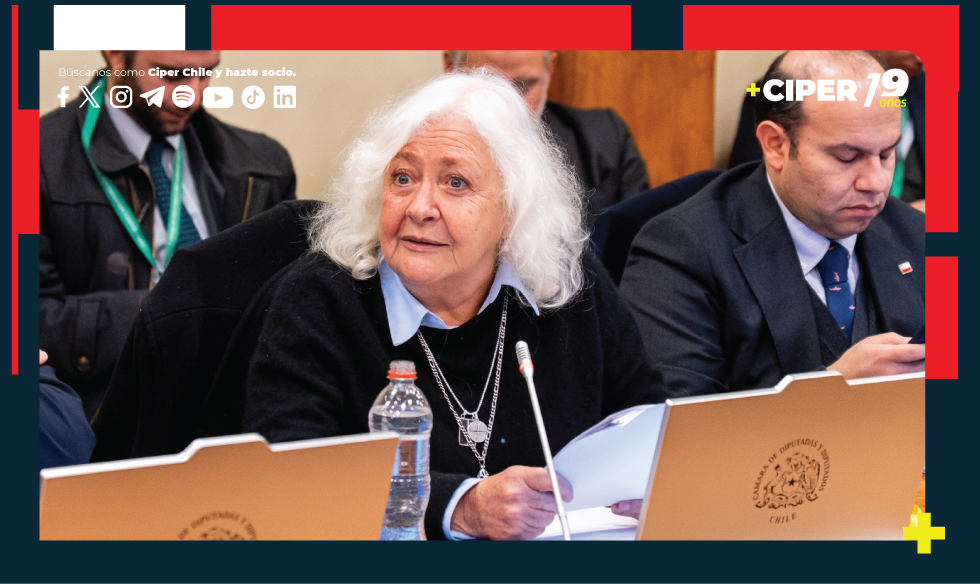
In October 2019, as massive street protests unfolded across Chile, national intelligence agencies supplied the government with unverified reports claiming that hundreds of foreign operatives had entered the country to destabilize the administration of then-President Sebastián Piñera. Investigative journalist Mónica González revealed these details on Tuesday during a session before the Special Investigative Commission of the Chamber of Deputies, which is examining the events surrounding the 2019 social unrest.
However, despite repeated requests from both Piñera and his defense minister at the time, Alberto Espina, documentation verifying these claims was never delivered by intelligence officials. High-ranking military sources later confirmed to González that the intelligence was entirely fabricated.
The disclosures shed new light on the origins of the administration’s hardline response during the initial days of the protests, which involved widespread civil unrest, infrastructure damage, and human rights violations. On October 20, 2019, just hours after receiving the unverified briefings, President Piñera declared that the nation was “at war against a powerful, relentless enemy.”
Intelligence Failures and the Origins of Foreign Agitator Claims
During her testimony to the parliamentary committee, González outlined two distinct versions regarding the origin of the false intelligence reports. The first points to the army’s then-director of intelligence, General Guillermo Paiva, who allegedly informed officials during an October 20 morning meeting that Venezuelan and Cuban intelligence had orchestrated an insurrectionary offensive, specifically claiming that the Venezuelan intelligence service had infiltrated 600 operatives into Chile. The second version suggests the information originated within sectors of Bolivian military intelligence while that country underwent a political crisis surrounding the departure of former President Evo Morales.
Despite these official briefings, skepticism emerged within military ranks. On October 21, 2019, General Javier Iturriaga publicly distanced himself from the government’s rhetoric, stating that he was “a happy man” and not at war with anyone. González noted that military insiders were well aware at the time that the threat from foreign agitators was fictitious, raising serious concerns regarding national sovereignty and the reliability of information reaching the nation’s highest office.
Mario Desbordes, who served as Minister of Defense during the second government of Sebastián Piñera, stated in a March 2021 television interview that foreign actors had entered Chile clandestinely, reflecting how deeply the narrative penetrated political circles long after the immediate crisis subsided. González argued before the lawmakers that distributing unfounded intelligence not only compromised national decision-making but also misdirected police and security forces away from addressing legitimate domestic grievances.
Ministerial Testimony and Systemic Institutional Deficits
The parliamentary session also featured testimony from government officials who addressed the broader operational failures of the state apparatus during the end of 2019. Claudio Alvarado, serving as biminister of the Interior and the General Secretariat of Government, acknowledged significant shortcomings within Chile’s intelligence network during that period.
Alvarado pointed to three core systemic deficiencies: a failure of strategic anticipation, a lack of interinstitutional coordination for decision-making, and insufficient protection of critical infrastructure. He told the committee that these structural vulnerabilities have since been addressed through legislative updates, including reforms to the nation’s intelligence laws designed to improve interagency communication.
Meanwhile, Minister of Foreign Affairs Francisco Pérez-Mackenna testified regarding the international repercussions of the crisis, which forced the cancellation of major diplomatic summits, including the APEC Economic Leaders’ Meeting and the United Nations COP25 climate conference. When questioned by Deputy Sergio Bobadilla regarding whether the foreign ministry received any intelligence concerning foreign agents, Pérez-Mackenna confirmed that his department never received any communication or reports on the matter.
Broader Consequences and Ongoing Investigations
In her concluding remarks to the Special Investigative Commission, González emphasized that faulty intelligence weakened institutional responses during a moment when law enforcement agencies, particularly Carabineros, were already facing intense scrutiny due to corruption scandals and past operational misconduct. She cautioned that relying on unverified data during national emergencies endangers both civilian populations and security personnel.
The Chamber of Deputies commission continues its ongoing review of state actions during the 2019 protests, with additional testimonies scheduled as lawmakers work to compile a comprehensive record of the institutional decisions made during the crisis. Official updates and committee agendas can be followed through the portal of the Cámara de Diputadas y Diputados de Chile.
What are your thoughts on how intelligence failures impact democratic crisis management? Join the discussion below to share your perspective, and feel free to share this report with others interested in Latin American political history.
Related reading