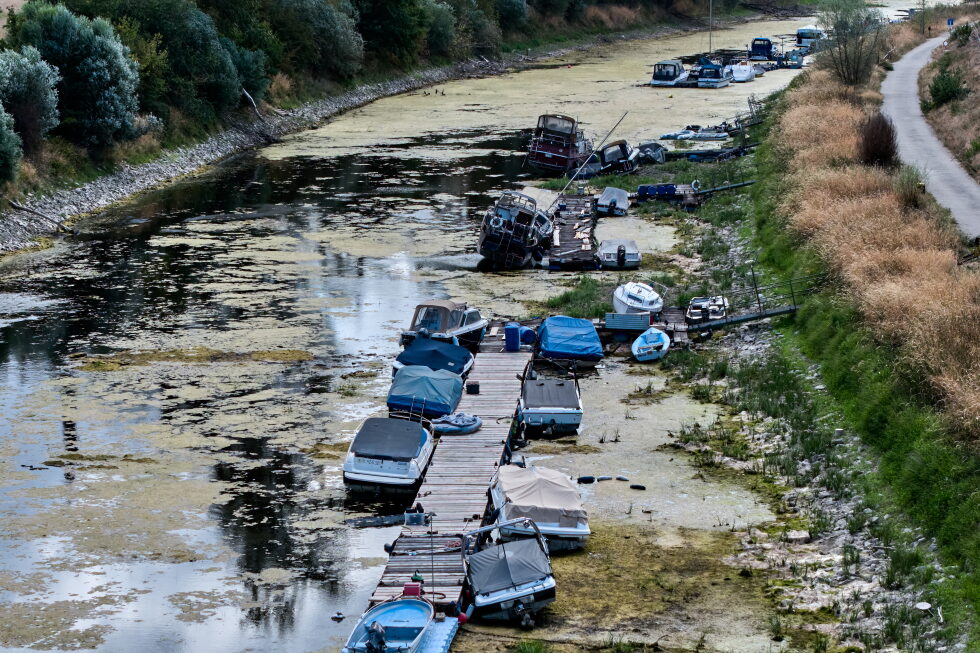
Driven by climate extremes and an emerging El Niño, the crisis threatens vital commercial shipping corridors in August 2026.
From the Rhine to the Danube, falling water levels have created navigational hazards, exposed long-submerged historical relics, and forced major industrial facilities to scale back operations as temperatures climb.
Historic Lows and Halting Freight on the Rhine
The Rhine River is approaching record-low levels, according to Germany’s inland navigation agency, creating severe bottlenecks for commercial barge traffic.
The crisis extends well beyond commercial transit. Chemical giant BASF and regional iron mills dependent on barged heavy materials have been forced to cut production. In Hungary, low water levels on the Danube jeopardized the Paks nuclear power plant, while Romania was forced to shut down both reactors at its Cernavoda nuclear facility because the river water used to cool them became too scarce.
Uncovering History While Stifling Commerce
As the continent’s waterways recede, they are laying bare centuries of history alongside modern economic distress. In Bulgaria, receding waters have revealed wooly mammoth bones and a Roman-era bridge, while sunken Nazi warships and unexploded World War II artillery have emerged in Serbia and Budapest. Meanwhile, Lake Brenets on the French-Swiss border is all but drained and has remained unnavigable for over a week.
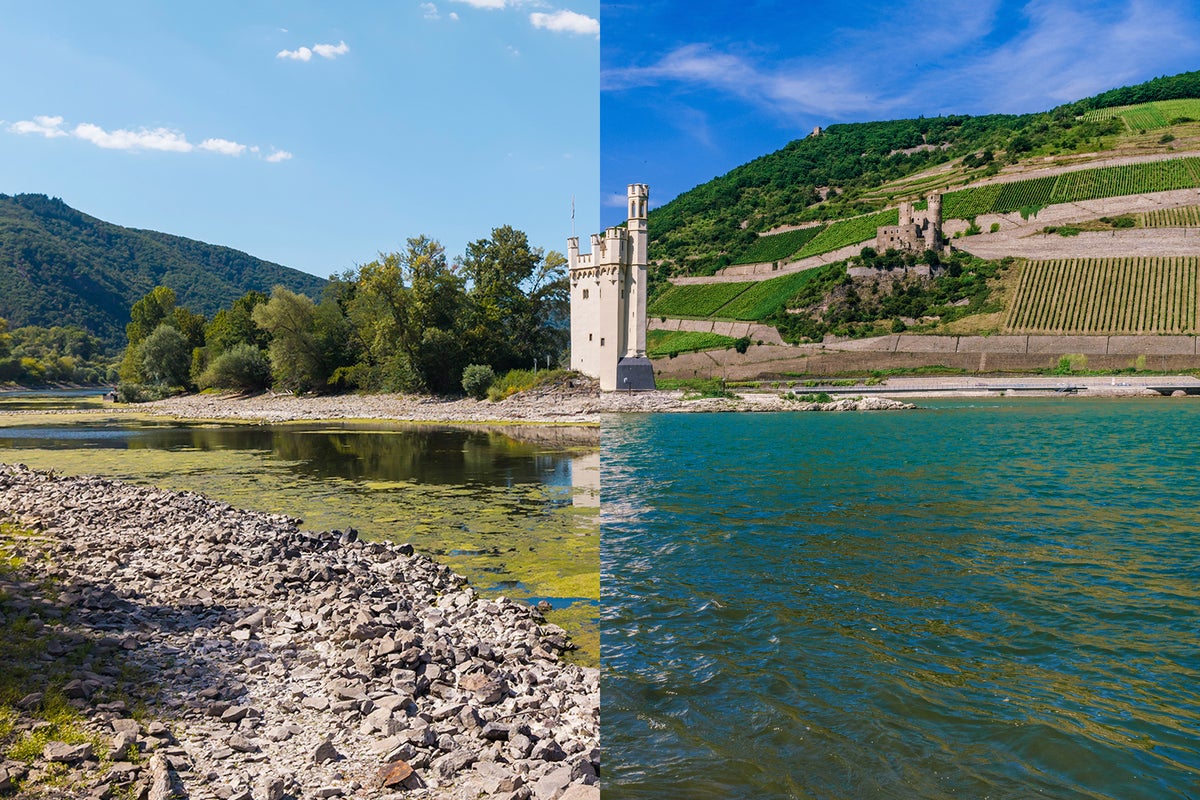
Major rivers including the Loire, the Po, and the Vistula are sitting at low or extremely low levels. In France, sandbanks have expanded across the Loire River near Maine-et-Loire during the height of the heat wave.
The Convergence of Climate Extremes and El Niño
The drying rivers are part of a broader meteorological phenomenon gripping the continent. Western Europe recorded its highest average temperature for the June-July period at 21.62 C (70.92 F), surpassing the previous record set in 2022. Copernicus Climate Change Service scientists point to persistent high-pressure systems trapping heat over the region.

“Persistent high-pressure systems trapped heat over western Europe, the extreme temperatures also amplified widespread drought. As soils dry out, they lose their ability to provide natural cooling, allowing heat to build more readily.”
Samantha Burgess, strategic lead for climate at the European Centre for Medium-Range Weather Forecasts
Compounding the regional heat is the formal arrival of a strong El Niño pattern in the equatorial Pacific Ocean. The National Oceanic and Atmospheric Administration confirmed that atmospheric circulation anomalies match El Niño conditions, projecting a 97% chance the pattern will persist through early spring 2027.
Intensifying Wildfires Across Southern Europe
The combination of extreme heat and prolonged dry spells has created tinderbox conditions across southern and western Europe, fueling an aggressive wildfire season. Data from the European Forest Fires Information System shows that 1.3 million acres have burned across the continent this year, outpacing the previous record set in 2025.
Emergency responders remain stretched thin. In Greece, fires in Crete killed three firefighters and forced residents and tourists to evacuate by boat. In Spain, firefighters have battled blazes including a fire in Tírig, Valencia, that burned more than 3 square miles and required over 300 personnel and 21 aircraft. As Western Europe braces for further heat waves with temperatures nearing 40 C (104 F) in France and reaching 36 C (96.8 F) in the U.K., authorities maintain high alerts across vulnerable sectors.
Worth a look