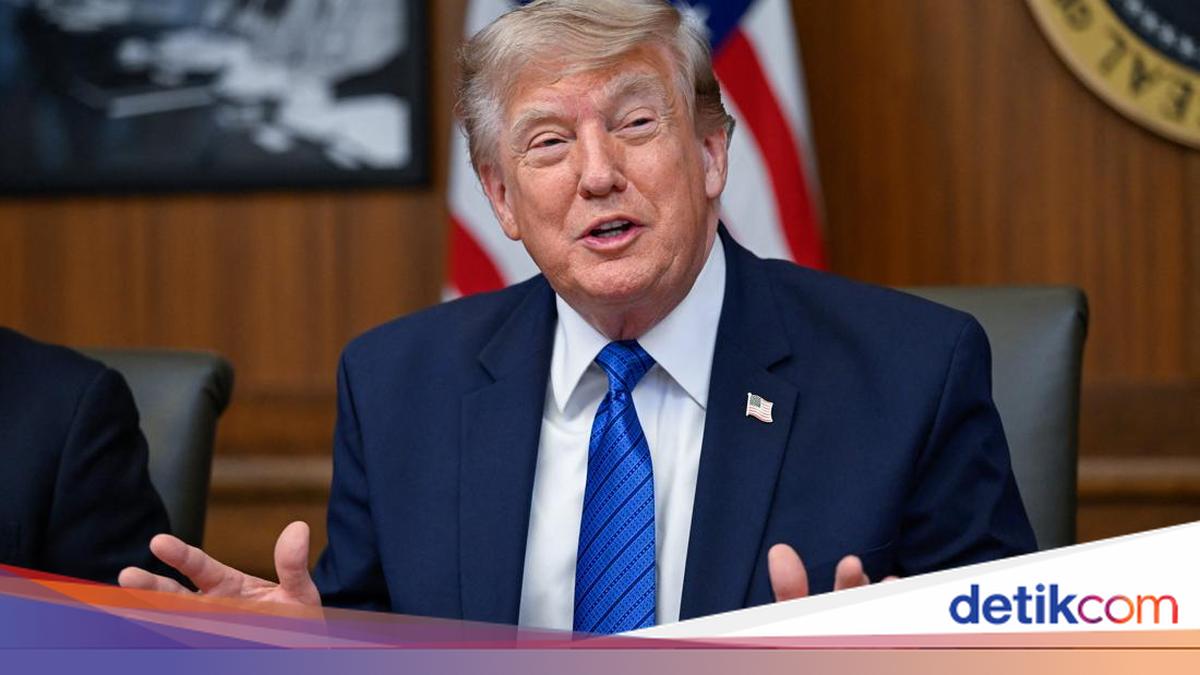
President Donald Trump asserted that the United States maintains complete control over the strategic Strait of Hormuz, declaring that Washington will defend the vital shipping lane and that Iran lacks the capability to counter American naval operations in the region. According to reports from AFP, the statements were published on the president’s social media platform on Wednesday, August 12, 2026, where he described the U.S. naval presence as a steel barrier that Tehran cannot break.
The remarks follow ongoing military escalations in the Middle East that began with strikes launched by U.S. and Israeli forces against Iranian military infrastructure on February 28. The conflict has severely disrupted global energy supplies and maritime trade through the vital corridor, which serves as a primary transit route for petroleum and international commerce.
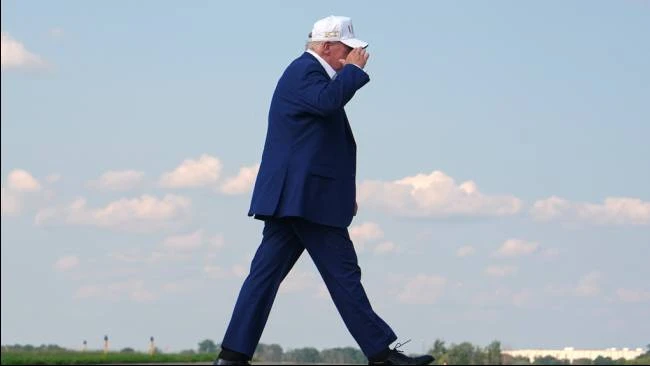
Speaking to reporters at Joint Base Andrews in Maryland after returning from Ohio, Trump stated that he harbors no trust in the Iranian government. As reported by Antara News, the U.S. leader emphasized that his administration holds absolute authority over the waterway, noting that while Iranian forces have occasionally attempted to disrupt navigation by deploying naval mines, American forces have successfully located and cleared them.
“We have absolute control of the Strait of Hormuz. They have no control. We have absolute control. That strait belongs to us,” Trump told reporters, as documented by Kompas.tv. He added that while vessels are barred from entering Iranian ports through the passage, access for international shipping remains open under American oversight.
Strait of Hormuz Control and Maritime Blockade
The status of the narrow channel remains a central point of contention in the six-month conflict. Following renewed military engagements in July 2026, Iran announced the effective closure of the waterway and threatened to impose transit tolls in response to the U.S.-led campaign. Tehran’s forces have engaged in asymmetric responses, including missile strikes targeting regional installations and attacks on commercial vessels navigating the strait.
Despite these disruptions, Washington has maintained a naval blockade targeting Iranian ports. Trump noted that the U.S. strategy involves maintaining economic pressure through severe inflation and financial isolation within Iran, reducing the government’s capacity to sustain extended military countermeasures.
Global Economic Impact and Energy Markets
The prolonged closure and subsequent militarization of the vital trade route have exerted immediate upward pressure on international commodity prices. Energy markets have reacted swiftly to the ongoing confrontation between Washington and Tehran, with benchmark prices reflecting persistent supply chain vulnerabilities.
According to market data cited by Kompas.tv, Brent crude futures climbed steadily, reaching $89.63 per barrel as traders weighed the longevity of the naval blockade and the risks to Middle Eastern petroleum exports.
Diplomatic Standstill Ahead of Autumn Political Milestones
With legislative midterms approaching in November, political pressures inside the United States have influenced the administration’s posture toward the protracted campaign. Rather than pursuing an expansive ground escalation, the White House has favored a contained strategy centered on maritime enforcement and economic containment.
Diplomatic channels between Washington and Tehran remain deadlocked, with neither side having reached a formal agreement to halt hostilities. As the naval standoff continues, international shipping associations and regional governments monitor developments closely for any shift in maritime security protocols or renewed negotiations over passage rights.
Keep reading