Child drowning prevention requires a multi-layered safety strategy because drowning often occurs silently and in less than two minutes, according to the Centers for Disease Control and Prevention (CDC). Medical professionals and safety advocates emphasize that traditional signs of distress, such as splashing or shouting, are frequently absent during actual drowning events, making constant, undistracted supervision the most critical defense for families.
Drowning remains a leading cause of accidental death for children globally. In the United States, drowning is the leading cause of death for children ages 1 to 4, according to data from the Centers for Disease Control and Prevention. The speed at which a child can lose consciousness in water means that the window for rescue is exceptionally narrow, often closing before a caregiver notices a problem.
Pediatricians and emergency medicine specialists are calling for a shift in how parents perceive water safety. The common misconception that a drowning child will wave for help or scream is a dangerous fallacy. Instead, doctors point to the “Instinctive Drowning Response,” a physiological reaction that renders a person unable to call out or move their arms in a way that signals distress to an observer.
Why drowning is often silent and sudden
The Instinctive Drowning Response is a biological reflex that prevents a person from shouting for help. According to the American Academy of Pediatrics (AAP), when a person is drowning, their respiratory system prioritizes breathing over speech. This means the person cannot inhale enough air to produce a scream or a call for help.

Physical movements during drowning also differ from popular depictions in media. Rather than splashing wildly, a drowning child often appears to be “climbing a ladder” in the water, with arms extending laterally to press down on the surface in an attempt to lift the mouth above the waterline. This movement is often subtle and can be mistaken for playing or swimming by an untrained observer.
Medical experts note that unconsciousness can occur within seconds of the airway being submerged. Once a child stops breathing, oxygen levels in the brain drop rapidly, leading to a loss of consciousness. This rapid progression explains why children can disappear from a pool or bathtub in the time it takes a caregiver to answer a phone or move to another room.
Analyzing the risk factors and statistics
While many associate drowning primarily with swimming pools, the risks extend to various environments. The CDC reports that residential swimming pools are a primary site for childhood drownings, but bathtubs, buckets, and natural bodies of water like ponds and lakes also pose significant threats. For children under five, even a few inches of water can be fatal if they fall face-forward and cannot right themselves.
Statistically, the risk varies by age and environment. According to the World Health Organization (WHO), drowning is a major public health concern globally, with high mortality rates in low- and middle-income countries where water safety infrastructure and swimming instruction are less accessible. In the U.S., the risk is highest for toddlers who have the mobility to reach water but lack the cognitive ability to recognize danger or the physical skill to escape it.
The disparity between adult and child drowning patterns is notable. While adults are more likely to drown in open, natural bodies of water—often due to overestimating their ability or encountering unexpected currents—children are more susceptible to “silent” drownings in controlled environments like home pools or baths due to a lack of supervision or inadequate barriers.
The “Layers of Protection” framework
Doctors recommend a “layers of protection” approach rather than relying on a single safety measure. This strategy assumes that any one layer might fail, so multiple redundancies are put in place to prevent a child from reaching water unattended.

Physical Barriers
The first layer is the installation of four-sided fencing that completely separates the pool from the house. The AAP recommends fences at least 4 feet high with self-closing and self-latching gates. This prevents “wandering” accidents, where a child enters a pool area without a caregiver’s knowledge.
Constant Supervision
Supervision must be “active,” meaning the adult is not reading, texting, or socializing, but is focused entirely on the children in the water. Experts suggest “touch supervision” for infants and toddlers, where the caregiver is within arm’s reach at all times. This eliminates the time gap between a drowning event and the rescue attempt.
Skill Acquisition
Swimming lessons can reduce the risk of drowning, but they are not a substitute for supervision. The AAP suggests that swim lessons should focus on “water competency,” which includes the ability to float, tread water, and exit a pool. However, doctors warn parents against the “false sense of security” that comes with swimming lessons; even a child who can swim can panic or suffer a cramp.
Emergency Readiness
The final layer is the ability to respond. Parents and caregivers are urged to take certified CPR and first aid courses. Because drowning causes cardiac arrest due to oxygen deprivation, immediate CPR can significantly increase the chances of survival and reduce the likelihood of permanent brain damage.
Managing risks in different water environments
Safety protocols change depending on the type of water. In residential settings, the primary focus is on barriers and bathtub safety. Doctors advise that a child should never be left alone in a bath, even for a few seconds to grab a towel, as a toddler can drown in as little as two inches of water.
In natural bodies of water, such as lakes or oceans, the risks include currents, temperature shocks, and underwater obstructions. The CDC recommends the use of U.S. Coast Guard-approved life jackets for all children in open water, regardless of their swimming ability. Inflatable “floaties” or armbands are not safety devices and can provide a false sense of security while potentially failing or slipping off.
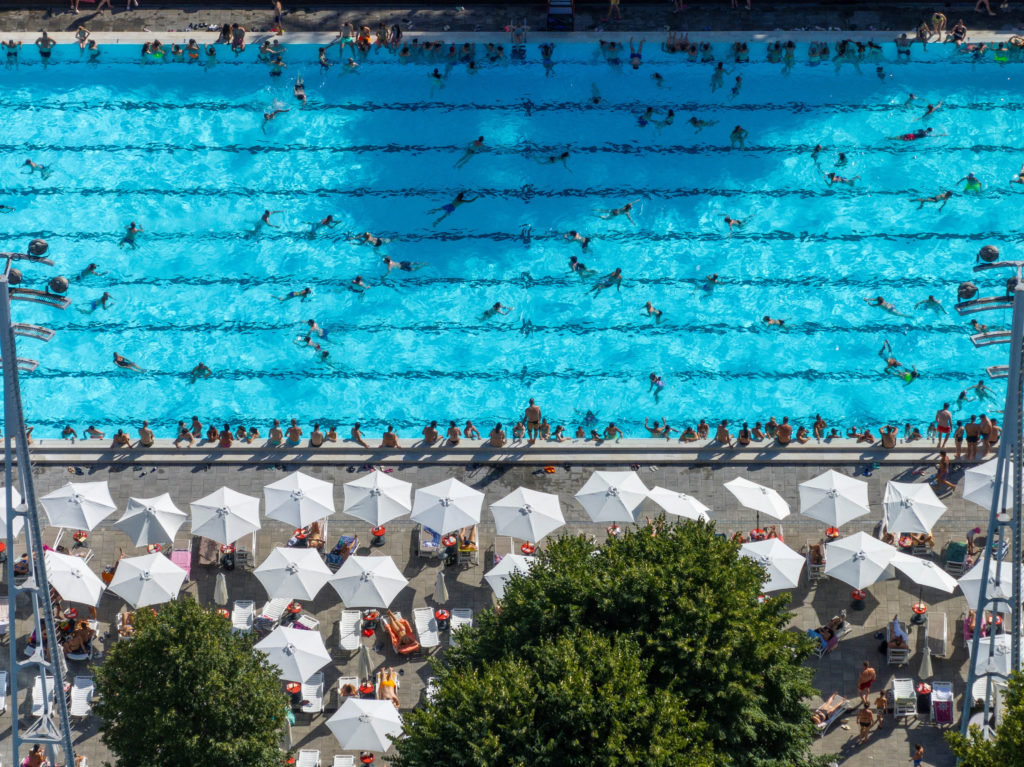
Public pools offer the added layer of lifeguards, but medical professionals stress that lifeguards are there to assist, not to replace parental supervision. Lifeguards must monitor dozens of people simultaneously; a parent’s singular focus on their child is the most effective way to prevent a tragedy.
Practical steps for family preparedness
To transition from awareness to action, health experts suggest families implement a formal water safety plan. This includes designating a “Water Watcher”—a specific adult who is solely responsible for supervising children for a set period of time, rotating the role to prevent fatigue.
Families should also conduct a “hazard hunt” around their property. This involves checking for unsecured ponds, open buckets, or gaps in pool fencing. Ensuring that all pool drains have safety covers to prevent suction entrapment is another critical technical requirement cited by safety organizations.
For those living in areas with high water risks, registering for local CPR classes is the most impactful step a caregiver can take. Many community centers and the Red Cross provide these certifications, which provide the technical skill needed to sustain a victim until emergency medical services arrive.
The next official update on national drowning statistics is expected to be released by the CDC as part of their annual morbidity and mortality reports. Families are encouraged to review their home safety barriers before the start of the summer season.
Do you have a water safety plan in place for your home? Share your experiences or questions in the comments below to help other parents stay informed.