
In the rugged, high-desert landscapes of the American West, where the winds sweep across the vast expanses of Idaho, one might expect the linguistic landscape to be dominated by the standard dialects of English or Spanish. However, tucked away in certain corners of the state lies a profound historical and linguistic anomaly: the presence of Euskara, Europe’s oldest known language, still echoing through the local culture.
The connection between the mountainous regions of north-east Spain—the Basque Country—and the plains of Idaho is not merely a coincidence of geography or a fleeting moment of migration. It is a resilient, living legacy. For over a century, the Basque people have maintained a cultural foothold in the region, creating a unique enclave where the traditions and the ancient, unclassifiable language of the Pyrenees have found a second home in the American West.
This intersection of Old World heritage and New World opportunity offers more than just a historical curiosity. For economists and sociologists, the Basque-Idaho connection serves as a compelling case study in how migrant communities utilize niche industries—in this case, the sheep-herding economy of the late 19th century—to establish deep-rooted, lasting cultural and economic infrastructures that persist long after the original economic drivers have evolved.
The Enigma of Euskara: A Linguistic Island
To understand why the presence of this community in Idaho is so significant, one must first understand the nature of the language itself. Euskara, commonly known as the Basque language, is what linguists term a “language isolate.” Unlike the vast majority of European languages, which belong to the Indo-European family (including English, Spanish, French, and German), Euskara has no known relationship to any other living language on Earth.
It is a linguistic relic, a survivor of a pre-Indo-European era that predates the massive migrations that reshaped the continent. The unique structure and vocabulary of Euskara make it a subject of intense study for linguists seeking to understand the deep history of human communication. When these speakers migrated to the American West, they did not just bring their customs; they brought a way of thinking and communicating that is fundamentally distinct from the surrounding world.
This linguistic isolation mirrors the geographic isolation often found in the Basque Country of Spain and France, and it was this very resilience—the ability to maintain a distinct identity despite external pressures—that allowed the language to survive the transition to the American frontier. In Idaho, the language became a tool of community cohesion, a private thread connecting migrants to their ancestral homes while they navigated the complexities of a new life.
From the Pyrenees to the Panhandle: The Great Migration
The story of the Basque presence in Idaho began in earnest during the late 19th and early 20th centuries. During this period, a significant wave of Basque immigrants arrived in the United States, drawn by the promise of work in the burgeoning agricultural and livestock sectors. Unlike many other immigrant groups who sought urban industrial jobs, many Basques were drawn to the specialized and demanding work of sheep herding.
The skills honed in the steep, rugged terrain of the Pyrenees were perfectly suited for the demanding life of a western shepherd. These migrants moved into the high-altitude grazing lands of Idaho, establishing themselves in remote areas where they could practice their trade with a degree of autonomy. This niche specialization allowed them to build economic stability and, crucially, to form tight-knit communities that were geographically and culturally separated from the larger settler populations.
As these families moved from the seasonal life of the shepherd to more permanent settlements, they laid the groundwork for the cultural hubs that exist today. The migration was not a sudden influx but a steady, purposeful movement of people who prioritized community and the preservation of their unique way of life. This historical trajectory transformed the Basque identity from that of itinerant laborers to that of established, influential citizens of the American West.
The Economic Engine: Sheep, Soil, and Survival
From a business and economic perspective, the Basque migration to Idaho is a classic example of specialized labor driving regional development. The sheep industry in the late 1800s was a vital component of the Western economy, and the Basque immigrants provided a specialized workforce that was essential to its success. Their expertise in managing livestock in tough terrain provided a competitive advantage that helped stabilize the regional agricultural economy.
This economic niche provided the capital necessary for subsequent generations to diversify. As the sheep industry evolved and consolidated, many Basque families transitioned into ranching, commerce, and professional services. The wealth generated from the initial livestock trade was reinvested into local businesses, real estate, and community institutions, effectively embedding the Basque community into the economic fabric of Idaho.
Today, the legacy of that economic foundation is visible in the way the community has transitioned from primary production to cultural and service-oriented roles. The ability to pivot from a specialized labor niche to a broader economic participation is a testament to the community’s adaptability and long-term strategic planning. What began as a means of survival in the high desert has evolved into a sophisticated cultural presence that contributes to the state’s diverse economic profile.
Preserving the Pulse: The Basque Legacy in Boise
While the Basque influence can be felt across various parts of Idaho, its heart beats most strongly in Boise. The city serves as the central hub for the community, providing a space where history, language, and tradition are not just remembered but actively practiced. The presence of the Basque Museum and Cultural Center in Boise is a cornerstone of this preservation effort.
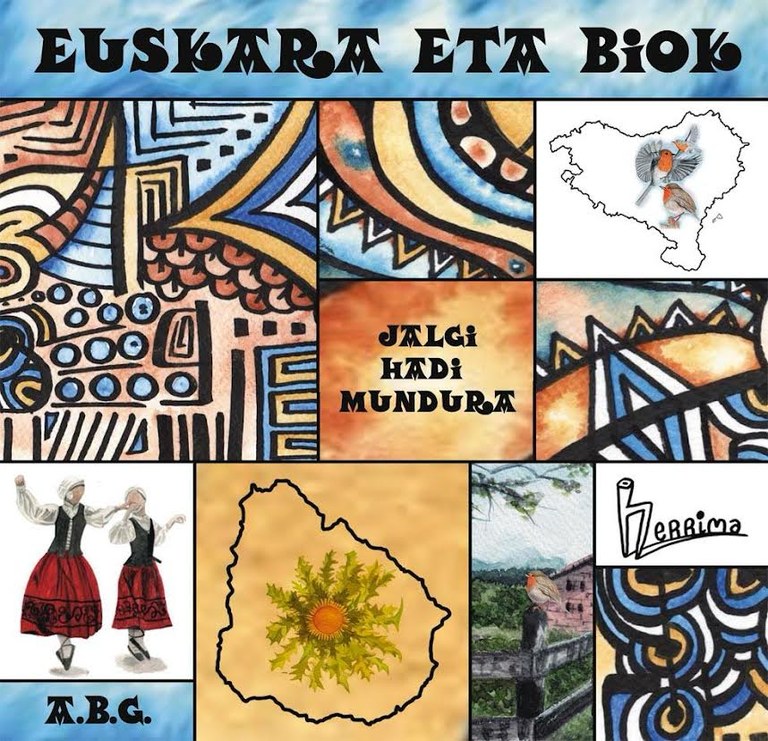
The museum and its surrounding cultural district act as a living archive, documenting the journey of the Basque people from the Pyrenees to the American West. Through curated exhibits, educational programs, and community events, the institution ensures that the history of the sheep herders and the intricacies of the Euskara language are accessible to both the descendants of these immigrants and the wider public. This institutionalization of culture is vital; it moves the heritage from the realm of oral tradition into a formal, protected space that can withstand the pressures of modern assimilation.
the community’s presence is celebrated through annual festivals and public gatherings that bring the vibrant colors, music, and flavors of the Basque Country to the streets of Idaho. These events are not merely celebrations of the past; they are economic drivers in their own right, attracting tourists and fostering a sense of regional pride that benefits the local hospitality and tourism sectors.
The Business of Heritage: Cultural Tourism and Identity
In the modern era, the Basque-Idaho connection has transitioned into a significant asset for cultural tourism. As global travelers increasingly seek authentic, “place-based” experiences, the unique heritage of the Basque community offers a compelling draw. The intersection of ancient European linguistics and the rugged American West provides a narrative that is both rare and deeply engaging.
This “heritage economy” creates a virtuous cycle: the preservation of cultural assets (like the Basque Museum) attracts visitors, which in turn provides the economic resources necessary to further support those very assets. For Idaho, this means the ability to market a unique cultural identity that distinguishes the state from its neighbors, adding value to the regional brand and supporting local small businesses, from boutique hotels to specialized restaurants.
However, maintaining this balance requires careful stewardship. The challenge for the community lies in presenting an authentic heritage to the world without turning it into a static caricature. The most successful models of cultural tourism are those that allow the community to remain living and evolving, ensuring that the traditions being shared are still meaningful to those who practice them.
Key Takeaways
- Linguistic Uniqueness: The Basque language, Euskara, is a language isolate, meaning it has no known linguistic relatives, making it one of the most significant linguistic anomalies in the world.
- Historical Migration: Basque immigrants arrived in Idaho in the late 19th century, primarily utilizing their specialized skills in sheep herding to establish themselves in the American West.
- Economic Evolution: The community successfully transitioned from a niche livestock-based economy to a diverse presence in Idaho’s broader economic and professional sectors.
- Cultural Hubs: Boise, Idaho, serves as the primary center for Basque culture, anchored by institutions like the Basque Museum and Cultural Center.
- Tourism Impact: The Basque heritage has become a key component of Idaho’s cultural tourism, driving economic interest through authentic, place-based experiences.
As we look toward the future, the continued vitality of the Basque community in Idaho will depend on the ongoing efforts of both cultural institutions and the younger generations to keep the Euskara language and its associated traditions alive. The story of the Basque in Idaho is a reminder that even in the most remote corners of the world, the echoes of the ancient past can create a vibrant and enduring present.

The next significant milestone for the community will be the upcoming seasonal cultural programming and educational initiatives scheduled by the Boise-based Basque institutions later this year, which will continue to integrate this unique heritage into the modern Idahoan identity.
What are your thoughts on the importance of preserving linguistic isolates in a globalized world? How do you see cultural enclaves shaping the economic landscape of the American West? Share your insights in the comments below and share this article with your network.
Worth a look