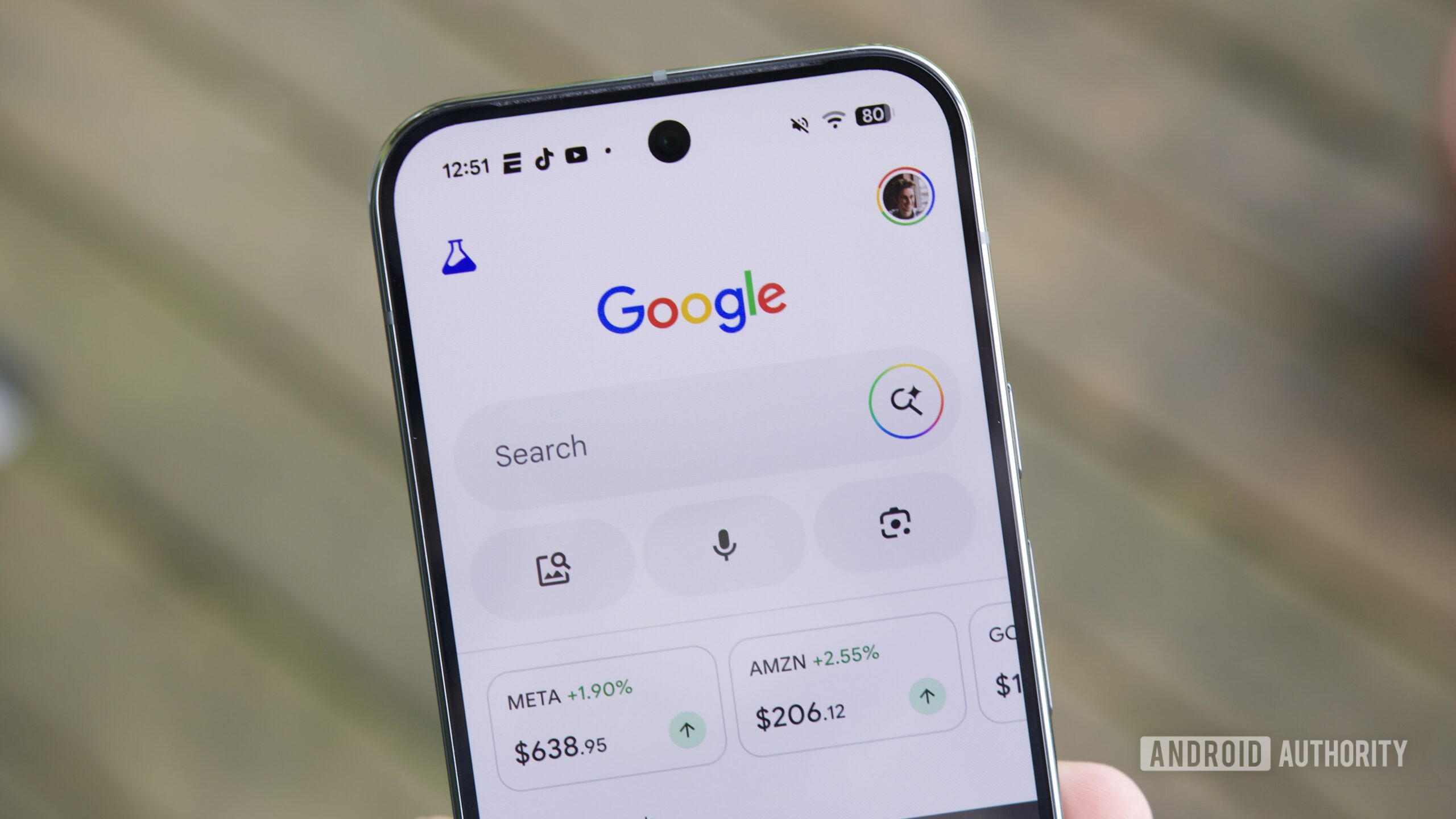
Google has formally responded to a recent ruling by a Munich court regarding the accuracy of AI Overviews, emphasizing that the legal decision is not yet final and remains under internal review. The case centers on whether the search giant bears legal liability for the content generated by its artificial intelligence summaries, which provide synthesized answers at the top of search results pages. According to official company communications, Google is currently evaluating the court’s findings while maintaining that it has existing safety policies designed to mitigate the presentation of misleading or false information.
The Munich court’s decision marks a notable moment in the ongoing global debate regarding the accountability of technology companies for AI-generated output. As AI Overviews continue to roll out across various international markets, the legal standing of these features under European Union regulations, such as the Digital Services Act, remains a primary focus for regulators. Google asserts that it continues to refine its search algorithms and AI models to ensure higher accuracy, though the company’s specific legal strategy in the German proceedings has not been fully detailed beyond its stated commitment to reviewing the judgment.
Understanding the Munich Court Ruling
The legal action in Munich highlights the tension between automated information retrieval and traditional publisher liability. In many jurisdictions, search engines have historically benefited from “safe harbor” provisions, which protect them from liability for content created by third parties. However, plaintiffs are increasingly arguing that AI-generated summaries constitute new, synthesized content rather than mere links to external sources. According to the European regulatory framework, the distinction between a passive intermediary and an active content creator is critical in determining whether a company can be held responsible for errors or defamation.
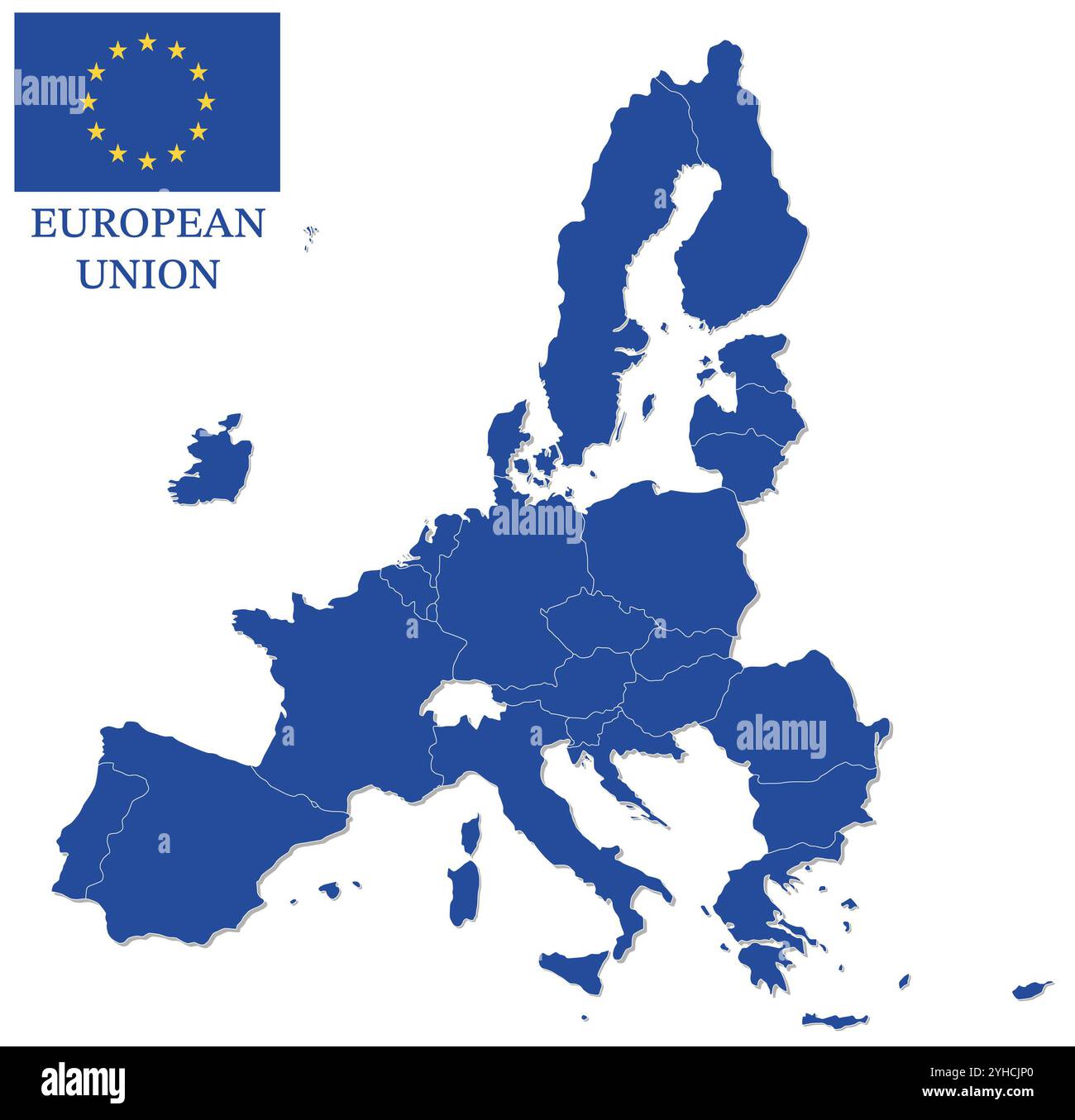
Google’s response to the court’s ruling suggests a defensive posture, focused on the procedural stage of the litigation. By clarifying that the decision is not final, the company signals that it intends to exhaust available legal remedies. This approach is consistent with Google’s historical handling of regulatory challenges in the European Union, where the company often engages in multi-year litigation to define the scope of platform responsibility.
Google’s Stance on AI Accuracy and Safety
Google maintains that it has implemented robust safeguards to ensure the quality of information provided in AI Overviews. These measures include automated systems that cross-reference data from high-authority sources and user feedback mechanisms that allow for the reporting of inaccurate summaries. In its statement, the company highlighted that it is continuously updating its AI Overviews quality policies to address edge cases where the model might produce hallucinations or misleading interpretations of web content.
Despite these safeguards, the persistence of errors in AI-generated summaries remains a subject of scrutiny among tech industry analysts. Critics argue that the inherent nature of Large Language Models (LLMs)—which are designed to predict the next token rather than verify facts—makes it difficult to eliminate errors entirely. The challenge for Google is to balance the utility of fast, summarized information with the legal and ethical requirements for accuracy in a global search environment.
The Path Forward: What Happens Next
As the legal process continues in Munich, the tech industry is watching to see if this case sets a precedent for how search engines are treated under EU law. If the court’s ruling is upheld, it could force Google and other search providers to implement stricter oversight, potentially slowing the deployment of generative AI features in the region. The next steps in the legal proceedings will likely involve an appeal process where Google will present evidence regarding its status as an information intermediary rather than a publisher.
For users, the immediate impact remains minimal, as the AI Overviews feature continues to operate as part of the broader Google Search experience. However, the outcome of this case could eventually influence how AI summaries are presented, labeled, or restricted in the future. The company has not provided a specific timeline for its next filing, but legal observers expect further updates as the court schedules subsequent hearings. We will continue to monitor the situation and provide updates as official documents become available. Please share your thoughts on the evolving role of AI in search in the comments below.